
Review · WHITE WATER RAFTING
White Water River Rafting – 1 Day
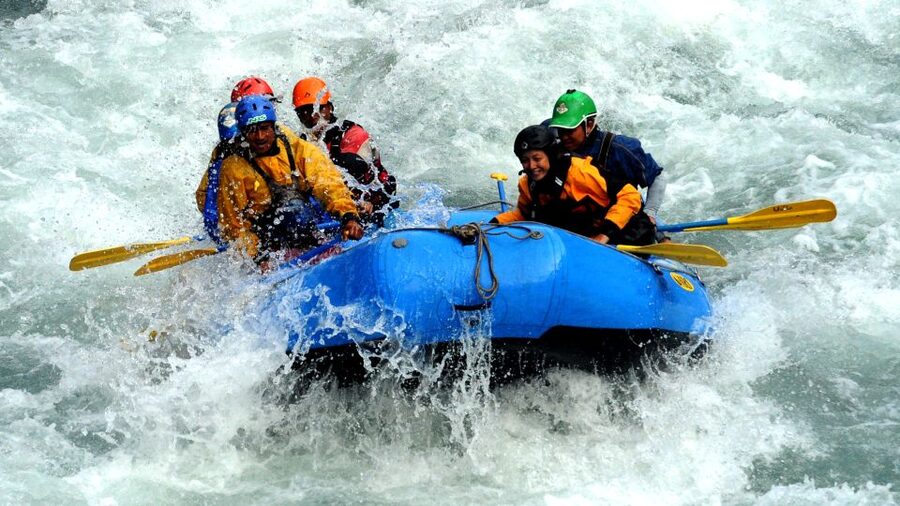
The best part of this Nepal rafting day is the quick change from road travel to river action. After an early pickup, you reach the Trishuli River, meet the raft crew, learn the safety commands, and soon face a run of small and large rapids, including the Class 3 to 4 Upset rapid after Majhimtar. I like the mix of serious water and a simple beach lunch before the hardest section. I also like that licensed guides, safety kayakers, transport, gear, permits, and lunch are bundled into the $62 price.
The drawback is the short time on the water. The rafting itself lasts about three hours, while the full day also includes road transfers from several possible pickup points. You should also bring your own drinking water, snacks, personal insurance, and dry clothes.
Key points to know before you book
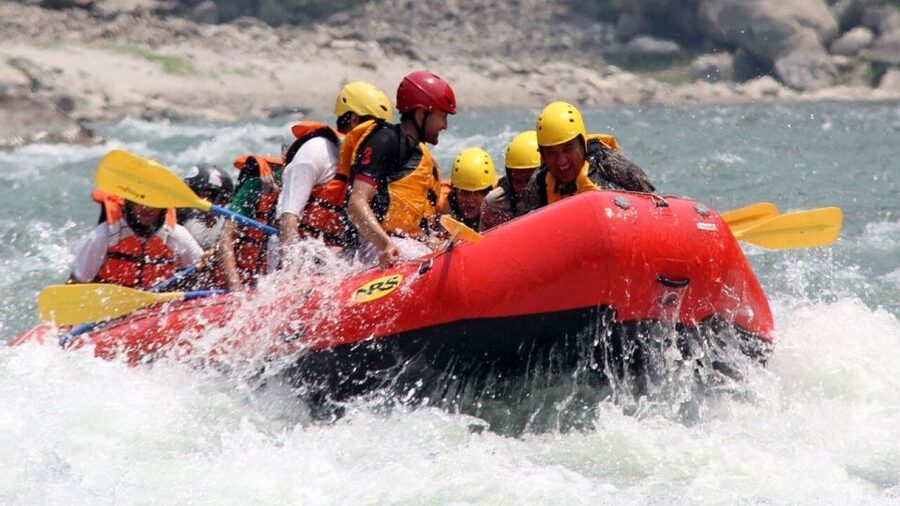
- Class 3 to 4 water after Majhimtar: The main challenge is the Upset rapid, rated on the Colorado River scale.
- Three hours of rafting: This is a compact river session, not a multiday expedition.
- Transport from four starting areas: Pickup options are listed for Kathmandu, Pokhara, Lumbini, and Chitawan.
- Licensed English-speaking crew: Guides and professional safety kayakers are included, with Nepali, Japanese, and Hindi also available.
- Beach lunch before the hardest rapid: You eat beside the river before continuing into more small and large rapids.
- Friendly staff are the strongest praise: The experience has a 4.3 rating from three ratings, with specific praise for the guide and staff.
Why the Trishuli River works for a one-day rafting trip
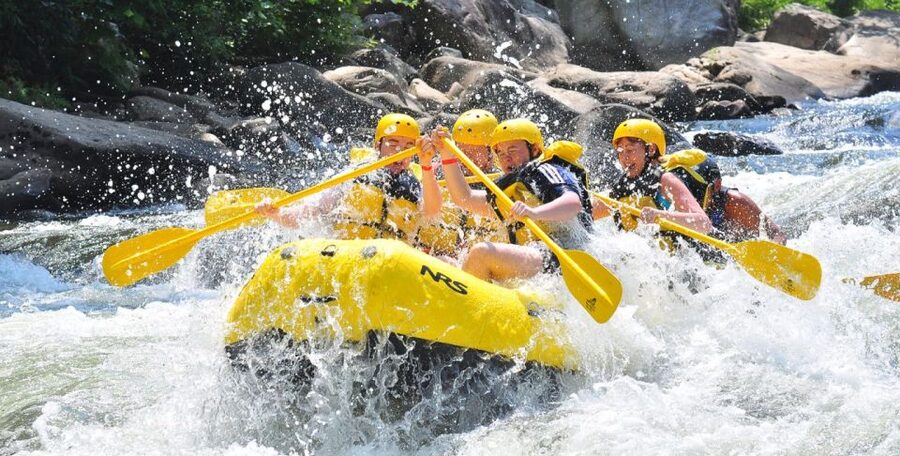
The Trishuli is a practical choice if you want white-water action without giving several days to a river expedition. This trip concentrates the activity into roughly three hours on the water, then connects you by road to Chitawan, Pokhara, or Kathmandu according to the transfer plan.
That setup suits a wider Nepal trip. You can add rafting between sightseeing stops instead of building your whole holiday around an adventure camp. The tradeoff is clear: you get a taste of Nepal’s river culture and fast water, but not the slower rhythm of a multiday descent.
The river section includes a mix of small and large rapids. That matters because the ride is not one continuous wall of white water. There are calmer stretches between the rougher parts, giving you time to listen to the guide, reset your grip, and take in the river valley.
The main technical section comes after Majhimtar. The Upset rapid is rated from Class 3 to 4 on the Colorado River scale, so this is more than a gentle float. You should expect coordinated paddling, clear commands, and a group that needs to work together.
More White Water Rafting in Nepal:
- Upper Seti: Half-Day White Water Adventure
★ 5.0 · 87 reviews - Himalayan White Water Rafting Day Trip from Kathmandu
★ 4.0 · 22 reviews - Rotorua Rafting: Kaituna River White Water Rafting & Free Sauna
★ 5.0 · 1,952 reviews
The early road transfer sets the pace
Your day starts early with travel by car, van, or tourist bus to the rafting start point. Four pickup areas are offered: Chitawan, Pokhara, Lumbini, and Kathmandu. The exact travel time is not stated, so check the available departure details carefully before booking.
This transfer is useful because you do not need to arrange a separate ride to the river. It also means the day can feel long even though the rafting portion is only three hours. If you are choosing between this and a longer river program, count the road time as part of the experience.
The transport plan is especially helpful for people moving around Nepal. After rafting, you may be transferred to Chitawan National Park, Pokhara, or back to Kathmandu. The stated arrival point is Chitawan, so confirm your specific route and final drop-off when you reserve.
Because pickup and arrival arrangements are important here, do not treat the activity as a simple local half-day outing. It is better understood as a rafting session joined to a longer road connection.
Meeting the crew and learning the safety routine
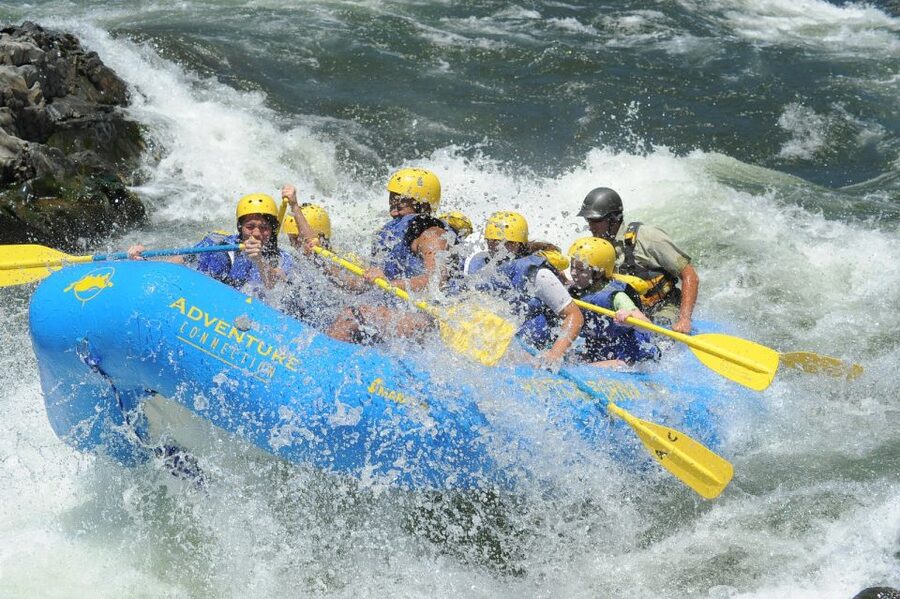
At the river, you meet the raft crew and receive a short safety briefing. This is a small but important part of the day. You learn the basic procedure before the raft reaches the rough water, when there is no time for a long explanation.
The crew includes licensed guides and professional safety kayakers. The guides are fluent in English, and the activity also lists Nepali, Japanese, and Hindi. That language range can make safety instructions easier to follow for mixed groups.
The supplied equipment includes self-bailing rafts, helmets, life jackets, paddles, dry-top jackets, and a waterproof barrel for cameras and valuables. The self-bailing design helps water drain from the raft, while the jackets and life jackets are meant for river conditions rather than casual sightseeing.
You still need to bring personal items that are not supplied. A change of clothes and sandals are specifically recommended. Personal medication, toiletries, a camera, personal rafting equipment, insurance, drinks, snacks, and other personal costs are your responsibility.
Leave anything you do not want wet in a secure place. A waterproof barrel is provided for cameras and valuables, but packing light remains the sensible choice.
The first rapids build confidence
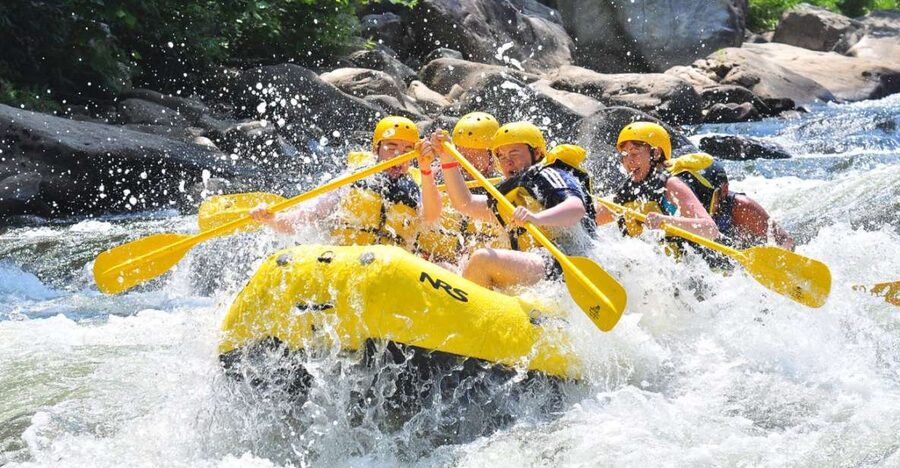
Once the raft gets underway, you encounter several rapids of different sizes during the first half of the run. This gradual pattern is useful for beginners because you can get used to the guide’s instructions before reaching the main challenge.
The exact names of the rapids are explained by the rafter. Tricky sections have Nepali names as well as common names, giving the run a local character beyond a standard outdoor excursion. Listen closely during the briefing and between rapids, because the names help you understand the river’s sequence.
I like this format more than a ride that throws you straight into the hardest water. You get a chance to learn how the raft moves and how the group responds. Still, Class 3 to 4 water is not passive sightseeing, so anyone nervous around moving water should take the safety talk seriously.
The ride depends on teamwork. A guide directs the raft, but the paddlers still need to follow instructions. If you want an activity where you simply sit and watch, this may feel demanding. If you like having a clear job during an adventure, the format should suit you well.
More One-Day Trips in Nepal:
- 1 Day Trishuli Rafting from Pokhara
★ 5.0 · 4 reviews - 1 Day Rafting Upper Seti River
★ 4.5 · 2 reviews - 1 day Trishuli river rafting
★ 5.0 · 2 reviews - Trishuli River Rafting Day Trip From Kathmandu by Private Car
★ 4.5 · 2 reviews
Lunch on the river beach before the Upset rapid
Lunch is served on a beach beside the river before the raft reaches the Upset rapid. This break gives the group time to eat, rest, and prepare for the more serious section ahead.
The setting is part of the appeal. You are not stopping at a roadside restaurant or returning to a town for a meal. The pause happens beside the river, with the next set of rapids still ahead. It creates a useful contrast between the calm of the beach and the force of the water.
The meal is included, but drinks are not. Bring or buy water according to the arrangements available to you, since water, soft drinks, alcoholic drinks, and snacks are specifically excluded. You should also account for personal dietary needs because no special meal details are provided.
The lunch stop is not a long free period with optional activities listed. Treat it as a practical river break rather than a separate sightseeing stop.
Facing the Class 3 to 4 Upset rapid
After lunch, the river continues through small and large rapids, with the Upset section serving as the key point of the run. Its Class 3 to 4 rating gives you a useful sense of scale: this is active white water that calls for attention, but the trip is still designed around a guided group experience.
The guide tells you how to approach each tricky rapid. Your job is to listen and paddle when instructed. The professional safety kayakers add an extra safety presence on the river, but no adventure activity removes every risk.
The name Upset may sound playful, but you should not treat the rapid casually. Wear the supplied helmet and life jacket correctly, keep your hands on the paddle as instructed, and follow the guide’s commands. If you are pregnant, this activity is not suitable.
The best reason to book this section is the sense of progression. You start with a run of rapids, pause for lunch, and then enter the more demanding water. The day has a clear rhythm instead of feeling like a single short burst.
What the $62 price really covers
At $62 per person, the price is strongest when you use several of the included services. You receive land transportation, the raft crew, licensed guides, safety kayakers, standard rafting equipment, lunch, permits, first-aid supplies, and government and local taxes.
That bundle reduces the small costs that can otherwise add up on an adventure day. You do not need to rent a helmet, life jacket, paddle, dry-top jacket, or raft separately. You also do not need to organize your own river permit or arrange the main transfer to and from the activity.
The price does not cover drinks, snacks, personal insurance, medication, clothing, toiletries, optional activities, or personal rafting equipment. If you need to buy water and snacks, add those costs before comparing this trip with another rafting option.
The rating is 4.3 from three ratings, and the clearest positive point is the friendly guide and staff. That matters in rafting because the crew controls both the mood and the clarity of the safety instructions. There is not enough feedback to make a broad claim about every departure, but the available response supports the idea that the staff are a strong part of the experience.
Who will get the most from this rafting day
This trip fits you if you want to add a real outdoor challenge to a Nepal route without committing to a multiday river program. It is also a good match if you value arranged transport and want the main equipment supplied.
You should be comfortable with a physically active outing and moving water. The supplied details do not state a minimum age, group size, swimming requirement, or accessibility arrangements, so ask the operator directly if any of those points affect your decision.
It is less suited to you if you want a relaxed sightseeing day, dislike early road transfers, or need a predictable short schedule. The rafting is listed as three hours, but the transport to and from the river makes the overall day longer.
The activity is not suitable for pregnant women. Personal insurance is also excluded, so arrange your own cover if you want protection for adventure activities.
Booking flexibility and what to pack
You can cancel up to 24 hours before the activity for a full refund. You can also reserve now and pay later, which helps if your Nepal route is still changing.
The listed languages are English, Nepali, Japanese, and Hindi. The live guide format means you should receive instructions during the river run rather than simply joining an unguided equipment rental.
Pack a change of clothes and sandals. You may also want a small towel, though it is not listed among the included items. Keep personal medication with you, and use the waterproof barrel for a camera or valuables only after checking that the guide has secured it properly.
Do not assume drinks are included. Water, soft drinks, alcoholic drinks, snacks, and personal expenses are all excluded.
Should you book the Trishuli rafting day?
Book it if you want a compact but genuine white-water experience with the practical parts handled for you. The strongest reasons are the Class 3 to 4 rapid after Majhimtar, the river-beach lunch, the licensed crew, and the included transport and equipment.
Think twice if you are looking for a full-day river descent. The action on the water lasts about three hours, and much of the remaining time is road travel. Before paying, confirm your pickup point, final destination, starting time, and the exact transfer to Chitawan, Pokhara, or Kathmandu.
For an adventure-minded Nepal trip, this is a sensible add-on. At $62, it offers solid value when you need transport and gear as well as the rafting itself. Just arrive ready for wet clothes, active paddling, and a day shaped as much by the road as by the river.
FAQ
How long does the rafting activity last?
The rafting duration is about three hours. The full day may be longer because it includes early road travel and transfers after the river section.
Where can I be picked up?
Pickup options are listed for Chitawan, Pokhara, Lumbini, and Kathmandu.
Where can I arrive after the activity?
The stated arrival point is Chitawan. After reaching the take-out point, transfers may also be arranged to Chitawan National Park, Pokhara, or Kathmandu, so confirm your route when booking.
Which river will I raft?
The activity takes place on the Trishuli River in Nepal.
What is the most difficult rapid?
The main named challenge is the Upset rapid, located after Majhimtar. It is rated from Class 3 to 4 on the Colorado River rating scale.
Is lunch included?
Yes. Lunch is served on a river beach before the Upset rapid.
Is drinking water included?
No. Drinks, including water, soft drinks, alcoholic beverages, and snacks, are not included.
What equipment is provided?
The activity provides self-bailing rafts, helmets, life jackets, outfitter plastic paddles, dry-top jackets, and a waterproof barrel for cameras and valuables.
What should I bring?
Bring a change of clothes and sandals. Personal medication, toiletries, cameras, personal rafting equipment, and personal insurance are not included.
Can pregnant women join?
No. The activity is not suitable for pregnant women.
Just added around Nepal
- Paragliding Trip with River Rafting★ 5.0 · 2 reviews
- 1 Day Rafting Upper Seti River★ 4.5 · 2 reviews
- 1 Day Trishuli Rafting from Pokhara★ 5.0 · 4 reviews
- 1 day Trishuli river rafting★ 5.0 · 2 reviews
- Kathmandu Pokhara & Chitwan Tour with Rafting -8 Days★ 5.0 · 2 reviews
- Trishuli Rafting★ 5.0 · 4 reviews
- A Day Rafting Tour to TRISHULI RIVER★ 3.5 · 3 reviews
- Trishuli River Rafting Day Trip From Kathmandu by Private Car★ 4.5 · 2 reviews
White Water Rafting, compared.
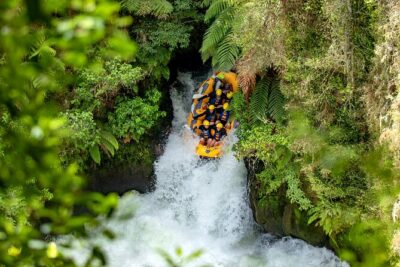
Rotorua Rafting: Kaituna River White Water Rafting & Free Sauna
Read our review →
Barron Gorge White Water Rafting from Cairns or Port Douglas
Read our review →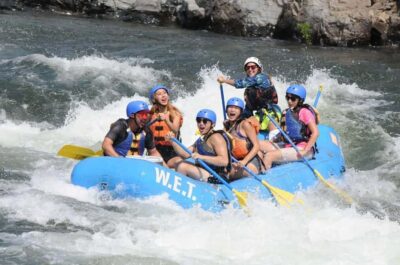
ATV Quad Bike & White Water Rafting Adventure
Read our review →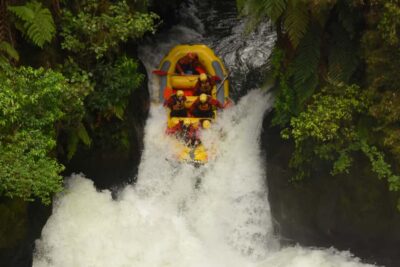
Rafting Rotorua: Kaituna River White Water Experience
Read our review →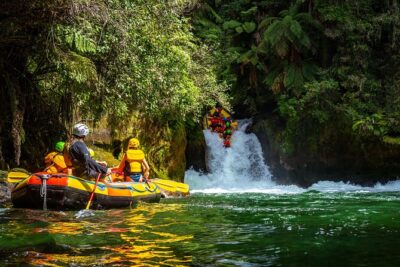
White Water Rafting – Kaituna Cascades, The Originals
Read our review →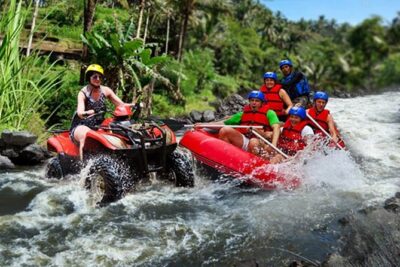
Other lists this trip is on