
Review · KATHMANDU RAFTING TOURS
Rafting in Nepal: Trishuli, Bhotekoshi & Other River Rafting
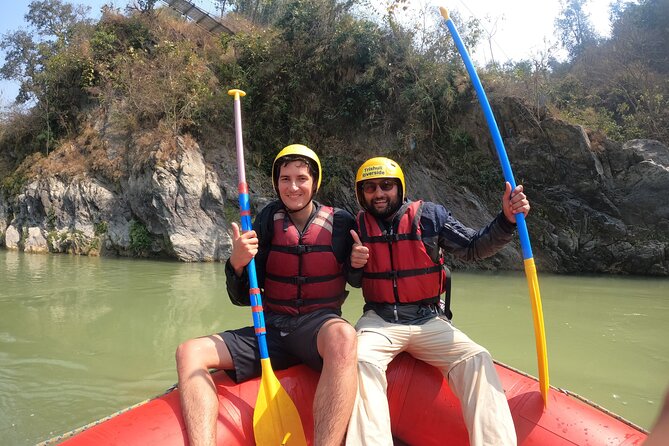
Kathmandu can feel far from wild water, but within a few hours you can trade temple streets for a raft, a paddle, and a run of white-water rapids. Trishuli River is the practical choice: its Class II and III rapids offer real excitement without demanding expert skills. The warm water and hill scenery add comfort to a long day.
I like the hotel pickup and return transport, and I like that lunch and rafting gear are included. The main catch is the road. A public bus can turn the journey into a slow, crowded haul, while private transport costs more but gives you a better start to the day.
Key points at a glance
- Trishuli suits first-timers: Expect manageable Class II and III rapids and roughly three hours on the river.
- Bhote Koshi raises the stakes: Class III to V rapids make this route better for experienced rafters and serious thrill seekers.
- Transport shapes the day: Private car, tourist bus, or public bus may be available, but road conditions can make the trip much longer than planned.
- Lunch and core rafting costs are included: You receive a typical Nepali lunch, rafting expenses, transportation, and hotel pickup and drop-off.
- Small groups keep things personal: The maximum group size is 15, with trained river guides leading the safety briefing and rafting.
- You need moderate fitness: This is an active outdoor day, not a sightseeing ride with a short splash at the end.
Choosing between Trishuli and Bhote Koshi
This experience is really two river trips under one booking. The choice matters more than the price because the rivers deliver very different days.
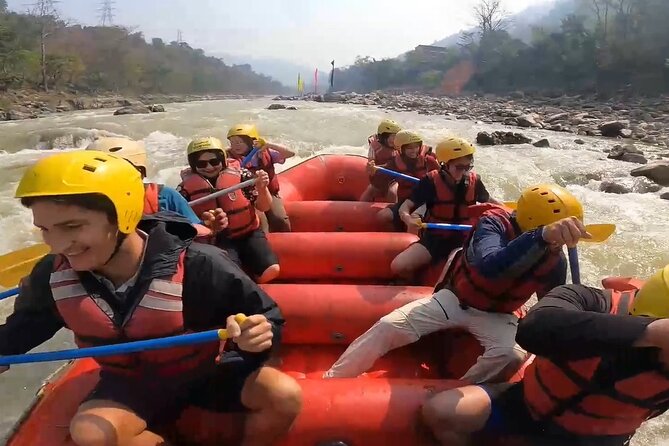
The Trishuli option begins with a drive to Charaudi. It is the better fit if you want a first taste of white-water rafting, have limited time in Nepal, or want a river day that balances fun with manageable effort. The rapids sit mainly in Classes II and III, so you can expect paddling, splashing, and moments that require teamwork without the intensity of a serious expedition.
The Bhote Koshi option starts near Sukute. Its rapids range from Class III to V, with narrow gorges and powerful water. That is a much more demanding proposition. If your rafting background is limited to calm rivers or easy runs, Trishuli is the sensible call. Bhote Koshi belongs on the shortlist of experienced rafters and people specifically seeking a hard-charging day.
Both routes include a safety briefing before you enter the water. Guides are trained, and the experience includes the rafting equipment you need. Still, a safety briefing does not turn a Class V river into a beginner activity. Be honest about your fitness, confidence, and previous experience before selecting Bhote Koshi.
More Rafting Tours in the world:
- Chiang Mai: Elephant Sanctuary, Waterfall & Bamboo Rafting
★ 4.9 · 9,160 reviews - Bali: Ubud Gorilla Face ATV and Ayung Rafting Trip with Meal
★ 4.8 · 4,765 reviews - Antalya: Ziplining, Rafting, Jeep Tour & Quad Safari w/Lunch
★ 4.6 · 3,260 reviews
The road from Kathmandu to the river
Your day begins with hotel pickup in Kathmandu, followed by transport toward the put-in point. The operator may arrange a private car, tourist bus, or public bus, with tourist buses given priority when available.
This is where the experience can either start smoothly or test your patience. The road journey gives you broad views of Nepal’s hills and valleys, but road conditions are not always kind. One reported itinerary reached the Bhote Koshi area in about two and a half hours, while another account described a four-hour trip to the rafting area. A public bus journey took more than five hours in difficult conditions.
You should treat the drive time as flexible, not fixed. Construction, traffic, vehicle type, and the river route all matter. If you have an evening flight, a fixed dinner reservation, or a tight sightseeing plan in Kathmandu, leave plenty of room after the rafting day.
Private transportation is worth considering if comfort and time matter to you. It costs more than public transport, but it avoids an overcrowded bus and gives you a calmer ride before a physically active afternoon. If you choose public transportation, bring patience, water, and only the personal items you need.
The drive is not dead time. You will see Nepal’s hilly countryside on the way out, and the changing scenery helps explain why rafting near Kathmandu takes most of a day even when the river portion lasts around three hours.
Trishuli at Charaudi: the easier river day
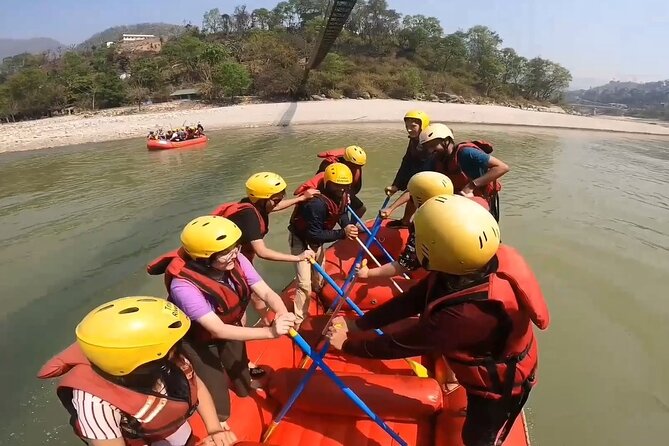
At Charaudi, you receive a safety briefing before getting into the raft. The guides explain how to work together, respond to commands, and handle the river safely. You then begin a run through moderate rapids with hills and valleys around you.
The advertised river time is about three hours. That is a useful figure when planning, but remember that the full outing lasts roughly six to twelve hours once pickup, transport, preparation, lunch, and the return journey are included.
Trishuli’s appeal is its balance. The water is described as relatively warm, which makes a wet raft ride more comfortable than you might expect. The river is also known for clear water, and the surrounding hills give you something to enjoy between rapids.
Class II and III water can still feel lively. You will paddle, brace, and pay attention to the guide. The point is not to sit back while the raft does all the work. You are part of a small team, and the best moments come when everyone responds together.
For a first rafting day, Trishuli makes sense because it offers a proper white-water experience without requiring the level of skill associated with the Bhote Koshi run. It also works well for mixed groups, provided everyone has a moderate level of physical fitness and is comfortable getting wet.
The limitation is duration. Some people may find the actual rafting shorter than expected after a long road journey. If you are booking this mainly for hours on the water, ask for the current river schedule before paying. The published information gives about three hours for the Trishuli stop, but transport can dominate the day.
Bhote Koshi at Sukute: a harder test
The Bhote Koshi trip begins with the same basic rhythm: road transfer, safety briefing, equipment, and a guided run. The setting becomes more dramatic as the river pushes through narrow gorges and faster water.
The key difference is the rapid grade. Class III to V is not a small step above Trishuli. The river can be powerful, technical, and physically demanding. You should choose this route for the white water itself, not simply because the name sounds more adventurous.
A three-hour river session may feel intense here. The route is designed for people seeking strong rapids and a higher level of challenge. The guides fill an important role, especially when conditions change, but you still need to follow instructions closely and bring the right attitude.
One unusual point from the available trip details is that the Bhote Koshi boat may be filled with staff during a quieter period. That suggests the operator may adjust the boat setup when numbers are low. It can help keep the raft active and balanced, but the exact arrangement may vary.
The road to Sukute is part of the trade-off. Expect a scenic drive, but do not assume a quick transfer. Depending on the vehicle and road conditions, the trip can take several hours each way. If you want a high-adrenaline river day and can handle a long journey, Bhote Koshi is the stronger choice. If you mainly want an enjoyable introduction to rafting, Trishuli is safer territory.
Same rivers, a different sort of day out:
- Khao Lak: Rafting, Elephant Bathing & Sea Turtle Center Tour
★ 4.7 · 2,519 reviews - Bali: Ayung River Guided Rafting Adventure with Lunch
★ 4.7 · 2,289 reviews - Rotorua Rafting: Kaituna River White Water Rafting & Free Sauna
★ 5.0 · 1,952 reviews - Half Day Whitewater Rafting Trip
★ 5.0 · 1,840 reviews
What the guides and safety process add
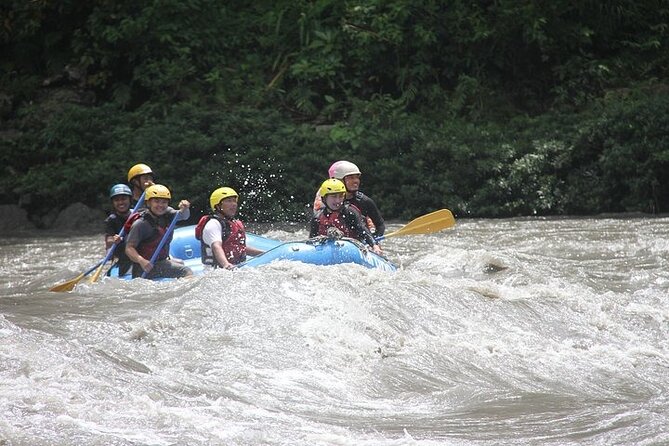
You receive a safety briefing before either river run. That is not a formality to rush through. Listen carefully, especially if you have never handled a paddle in moving water.
The guides are described as trained and experienced, and they lead the boat through the rapids. The maximum group size is 15, which is small enough for direct instruction without making the raft feel like a large crowd.
The guide team also helps create the tone of the trip. On a good day, you get the sense of a working crew rather than a passive sightseeing group. You paddle when asked, hold position, and respond to commands. The river provides the drama, but teamwork makes the run work.
The supplied information does not provide individual guide names, so I would not promise a particular person when booking. Ask who will lead your boat if that matters to you, especially on the Bhote Koshi route.
Service animals are allowed, and the starting area is near public transportation. Those details may help with access, but rafting itself remains an active water sport. You should be comfortable with the physical demands and the possibility of getting wet.
Lunch, equipment, and what the $90 covers
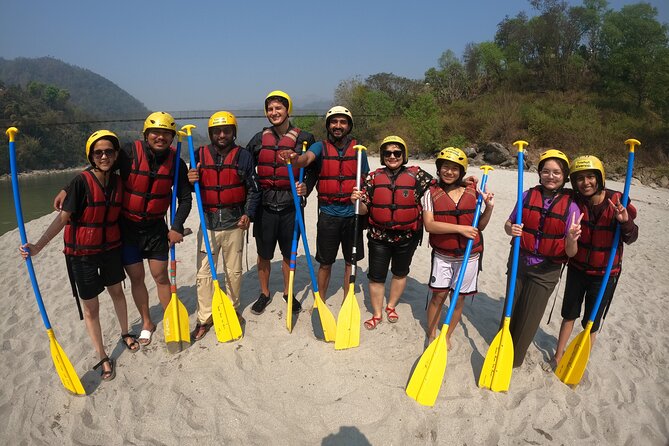
The listed price is $90 per person. That is not just the charge for time on the river. The package includes hotel pickup and drop-off, private or public and tourist bus transportation depending on your choice, rafting costs, a typical Nepali lunch, and transport from the ending point back to the starting point.
Rafting gear is provided, along with the safety briefing. The exact equipment list is not specified, so ask the operator what is supplied and what you should bring. Personal spending, extra food, accommodation, travel insurance, and anything not listed are outside the price.
At this rate, the value depends heavily on your transport choice. With private transportation, you are paying for comfort and a more controlled day. With public transport, the headline price looks attractive, but you may spend much longer getting to the river in crowded conditions.
Lunch is a useful inclusion. After paddling, a typical Nepali meal gives the day a local touch and removes the need to find food at the river. You should still budget for personal snacks or extra drinks if you need them, since those are not included.
The price is strongest for someone who wants a complete day arranged from Kathmandu. It is less compelling if you already have transport, gear, and river contacts. For most short-term visitors, though, arranging all three pieces independently would take time and may not save much.
The day’s physical demands
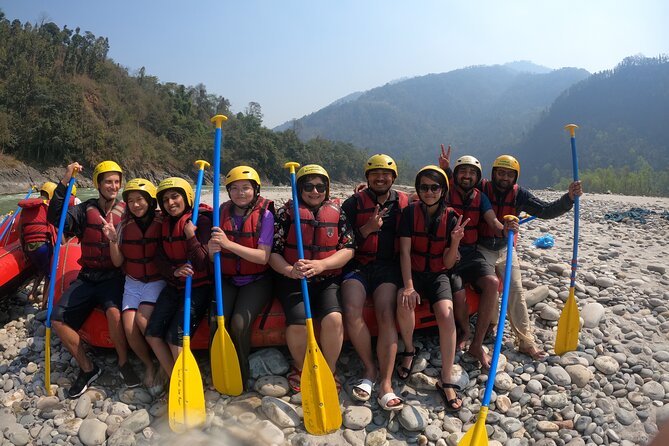
The operator asks for moderate physical fitness. That is a fair description for Trishuli, where you will paddle, climb in and out of the raft, and manage the movement of a boat through rapids.
You should also be comfortable with water, changing positions, and following instructions quickly. This is not a passive float. The river provides the motion, but your group still needs to work.
Bhote Koshi requires a more serious assessment. Class III to V rapids can be physically and mentally demanding, and the narrow gorge setting leaves less room for casual mistakes. The supplied information does not set a minimum age or list detailed medical restrictions, so ask the provider directly if you have a health concern or lack previous rafting experience.
Wear clothing suited to getting wet, and keep personal items to a minimum. The trip information notes that belongings can be protected, but it does not provide a detailed storage system. Confirm how valuables are handled before you leave your hotel.
When the season and weather matter
The Trishuli waterflow allows rafting in most seasons, which makes it useful for a short Nepal visit. The river is also relatively warm, a small but meaningful advantage when you are wet and exposed to the air.
Weather still matters. The activity requires good conditions, and poor weather can lead to a new date or a full refund. Build some flexibility into your Nepal plans rather than placing this on the final day before an international flight.
Season can also affect the character of the river. The available details confirm that March can be a good time for the run, but they do not give a full seasonal river chart. Ask about current water levels and the exact route before departure, especially if you are comparing Trishuli with Bhote Koshi.
Who should book this rafting day
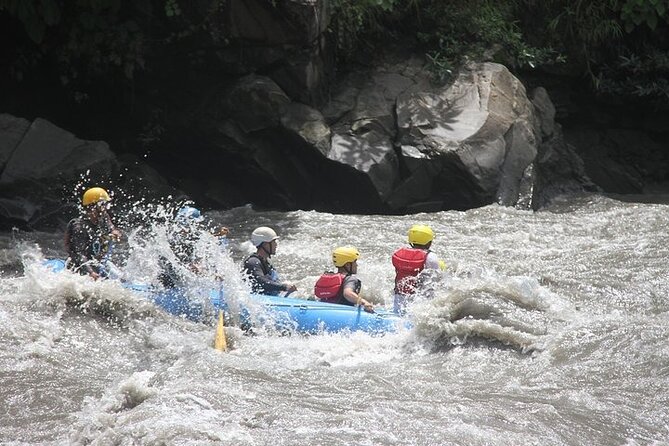
I would choose Trishuli if you are in Kathmandu, want one active day outside the city, and have little or no white-water experience. It also suits people who want scenery and a moderate challenge instead of a full expedition.
I would choose Bhote Koshi if the main purpose of your day is hard rapids and you already have suitable experience. The Class III to V range is the deciding factor, not the lunch, transport, or price.
This outing is less suitable if you dislike long road transfers, need a precisely timed return, or want several hours of continuous rafting. The water time is around three hours, but the complete day can stretch from six to twelve hours.
The group limit of 15 is helpful for couples, friends, and small organized groups. Group discounts may be available, so ask about them if you are booking with several people. Mobile tickets and confirmation at booking make the practical side simple, but the road remains the part you cannot fully control.
Should you book it?
Book this experience if you want an easy way to add real outdoor action to a Kathmandu visit. Trishuli offers the best balance of access, scenery, warm water, manageable rapids, and included services. At $90, the package is fair when hotel transport, lunch, equipment, and the return journey are part of your plan.
Choose private transport if you value comfort or have limited energy. Choose public or tourist bus transport only if you are prepared for possible delays and rough conditions.
For experienced rafters, Bhote Koshi may be the more memorable route. For beginners, Trishuli is the clear recommendation. The key question is not simply if you like adventure. It is how much road time and river intensity you want in one long Nepal day.
FAQ
How long does the rafting experience take?
The full activity lasts approximately six to twelve hours, depending on the river, transport, road conditions, and schedule. The listed river stop is about three hours.
Does the tour include transportation from Kathmandu?
Yes. Hotel pickup and drop-off are included. Transportation may be by private car, tourist bus, or public bus, depending on your selected option and availability.
Which river is better for beginners?
Trishuli is the better choice for beginners because it mainly has Class II and III rapids. Bhote Koshi has Class III to V rapids and is intended for more experienced rafters and people seeking a stronger challenge.
Is lunch included?
Yes. The package includes a typical Nepali lunch. Extra food and personal expenses are not included.
Is rafting equipment provided?
The experience includes rafting expenses and the gear needed for the activity. Ask the provider for the current equipment list if you need to know exactly what is supplied.
Can I cancel for a full refund?
You can cancel at least 24 hours before the experience start time for a full refund. Cancellations or changes made less than 24 hours in advance are not accepted for a refund. If poor weather causes the operator to cancel, you will be offered another date or a full refund.
Just added around the world
- From Gardiner: Yellowstone River Whitewater Rafting & Lunch★ 4.9 · 20 reviews
- Gardiner: Full Day Raft Trip on the Yellowstone River+Lunch★ 5.0 · 3 reviews
- Fun for the family: Soft Rafting on Adda river★ 4.5 · 2 reviews
- Gardiner: Half-Day Whitewater Raft Trip on the Yellowstone★ 5.0 · 24 reviews
- Gardiner: Scenic Raft Float on the Yellowstone River★ 5.0 · 4 reviews
- From Zurich Rafting Adventure in Interlaken★ 5.0 · 6 reviews
- Moab: Full-Day Colorado Rafting Tour★ 5.0 · 16 reviews
- From Zurich: Private Aare River Rafting Day Trip to Bern★ 5.0 · 2 reviews
Kathmandu Rafting Tours, compared.
Himalayan White Water Rafting Day Trip from Kathmandu
Read our review →
1 Night 2 Days Trishuli River Rafting Trip From Kathmandu With Private Car
Read our review →
Beginner-Friendly Rafting Adventure on the Trishuli River
Read our review →Other lists this trip is on