
Review · WHITE WATER RAFTING
Rangitaiki River White Water Rafting from Rotorua
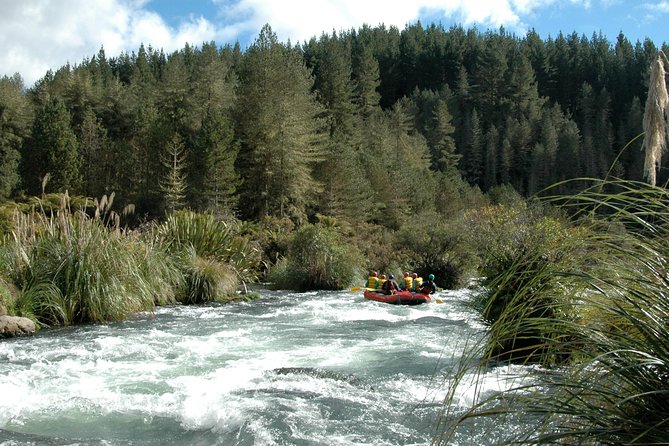
The Rangitaiki River gives you a proper whitewater outing without making the whole day a test of nerve. Most of the run is Grade III, with one Grade IV section, plus a calmer stretch where you can rest, swim, and look up at the rock walls and plantation forest. You get a wetsuit, helmet, life jacket, instruction, lunch, and a hot shower afterward.
I like the full gear package and Rotorua pickup, which removes much of the fuss from a wet outdoor day. I also like the mix of action and quiet water. You are not bouncing through rapids for six straight hours, and the flat section gives you time to talk with the guide and enjoy the river valley.
The main caution is water level. Low water can make the run less demanding and may lead to a change of river or activity. Some departures have shifted to the Grade V Kaituna River, including its 7-meter waterfall, so confirm the planned route if the Rangitaiki experience itself is important to you.
Key points before you book
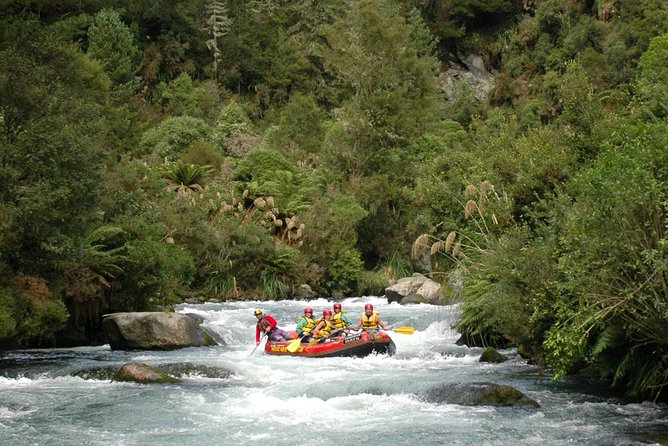
- Mostly Grade III with one Grade IV rapid: Expect a lively but generally approachable run for physically active beginners and more experienced paddlers.
- 15 to 20 minutes of river training: You practice paddle commands, safety instructions, and teamwork on flat water before the rapids begin.
- Rotorua pickup passes Mount Tarawera: The drive can include views and discussion of the 1886 Tarawera eruption, followed by a trip through Kaingaroa Forest.
- A flat-water break splits the action: You can relax, chat with your guide, and swim if conditions allow.
- Lunch and a hot shower are included: This matters after several hours in cold river water.
- Guides have included Jesse and Cody: The experience depends heavily on clear instructions and steady leadership, and both names have received specific praise.
What the Rangitaiki rafting day is really like
This is a six-hour outing from Rotorua, though the actual time on the river forms only part of the day. The schedule includes transport, changing, safety instruction, rafting, lunch, and a hot shower before you return.
The meeting point is River Rats Raft and Kayak at Murupara Motor Camp, 963 Main Road, Murupara. If you arrange pickup in Rotorua, the day begins with a drive east toward the river. The listed start time at the base is 11:30 am, so check your pickup details carefully and allow room for the transfer.
The drive gives this trip more character than a simple shuttle to a launch ramp. From Rotorua, you pass near Mount Tarawera, linked to the major eruption of 1886, and continue through Kaingaroa Forest. The operator uses this time to explain the eruption and the surrounding area. It is a useful bit of context before you trade the road for the river.
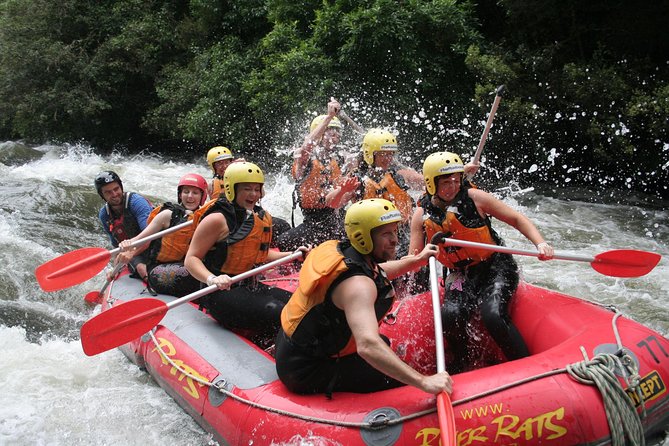
At the base, you change into the equipment supplied for the trip. That includes a wetsuit, booties, life jacket, helmet, and spray jacket. A polar fleece top may also be provided depending on the weather. Bring your own swimwear and towel, but you do not need to assemble a specialist rafting kit.
More White Water Rafting in New Zealand
- Rotorua Rafting: Kaituna River White Water Rafting & Free Sauna
★ 5.0 · 1,952 reviews - White Water Rafting – Kaituna Cascades, The Originals
★ 5.0 · 1,274 reviews - Rafting Rotorua: Kaituna River White Water Experience
★ 4.9 · 1,274 reviews
Learning the paddle commands before the first rapid
The safety briefing lasts about 15 to 20 minutes. This is not filler. On a raft, everyone has to move together, and a late paddle stroke can send the boat toward a rock or leave it stuck in shallow water.
You practice the commands and basic paddling on flat water before reaching the more active sections. Pay close attention here, especially if this is your first rafting trip. The guide needs you to know how to paddle, stop, shift position, and respond quickly as a group.
The Rangitaiki has shallow and rocky sections. That can mean the raft occasionally needs everyone to move to one side to get unstuck or guide the boat through the best channel. It is one reason this trip still has something to offer experienced paddlers, even if you are unlikely to spend much time falling out.
The teamwork is part of the fun. You are not simply sitting in a raft while a guide does all the work. Your group helps the boat move, and the quality of the run depends partly on how well everyone listens and paddles together.
Grade III and IV water through forest and rock walls
Once the training is complete, the river supplies the main event. You paddle through mostly Grade III rapids, with one Grade IV section. That rating suggests real movement, splashing, and quick reactions, but the trip is aimed at people with a moderate level of fitness rather than elite athletes.
You should expect to get wet. The wetsuit and spray gear help, but they do not make this a dry ride. The river can also be shallow in places, so the challenge is not only the force of the water. Your group may need to work around rocks and adjust the raft’s position.
The setting is a strong part of the experience. Sheer rock walls line portions of the river, with plantation forest rising around them. You get the best views when the raft enters a calmer stretch, but it is worth looking up between paddle commands and rapids.
The trip is not marketed as a Grade V thrill ride, and that distinction matters. If you want a serious adrenaline hit, the Rangitaiki may feel modest, especially when water levels are low. One specific comment described the run as having two rapids that felt like Grade III rather than Grade IV. That does not make it a poor choice, but it sets a realistic expectation.
The flat-water section gives you room to breathe
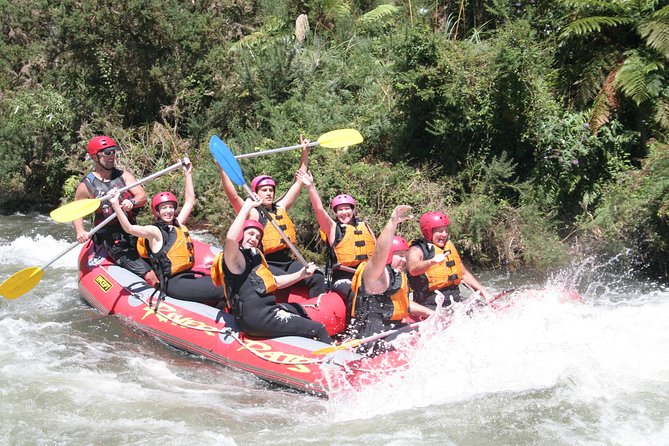
Around the middle of the outing, the river settles down. This calmer section breaks up the physical work and lets you enjoy the surroundings without having to watch every wave.
You can chat with the guide, take in the river valley, and swim if you choose. The exact feel of this break depends on water and weather conditions, so treat swimming as an option rather than the central feature.
I like this pause because it keeps the day from becoming repetitive. Rafting is tiring, and a few minutes of calm water can make the later rapids more enjoyable. It also gives you a chance to ask about the plants, animals, and local history along the river. One guide has been praised for adding information about the riverbank environment as well as the paddling itself.
If you prefer nonstop rapids, this interlude may feel slow. For most people, though, it is a useful reset and a chance to appreciate why you came to this part of New Zealand.
Same rivers, a different sort of day out:
- Waitomo Caves: Labyrinth Black Water Rafting Experience
★ 4.9 · 1,673 reviews - Rafting Rotorua Kaituna White Water Rafting | Kaitiaki Adventures
★ 5.0 · 759 reviews - Rotorua Rafting: Kaituna River Rafting Experience-Free Sauna
★ 4.9 · 401 reviews - Kaituna River White Water Rafting from Rotorua
★ 5.0 · 388 reviews
Lunch, hot showers, and the practical comfort factor
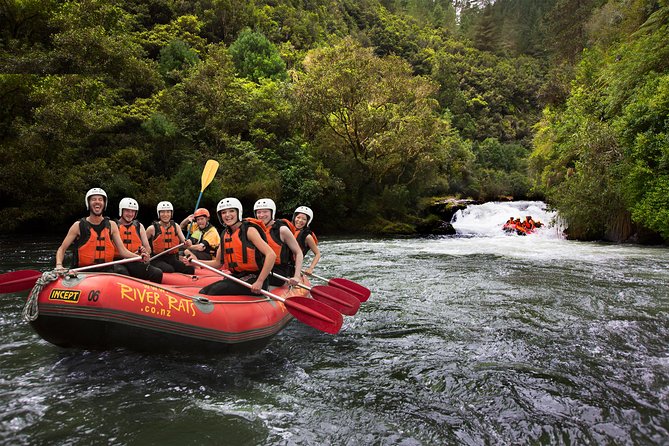
Lunch is included, which is valuable on an activity that uses plenty of energy. The supplied information does not specify the menu, so do not book this expecting a particular meal or dietary arrangement unless you confirm it in advance.
After the river, you can use a hot shower at the base. This is a small feature with a large payoff. A warm shower makes the trip easier to fit into a full Rotorua holiday, especially if you have evening plans or another outdoor activity afterward.
Food and drinks are not included unless specifically stated, so bring any extra refreshments you want. The main lunch is covered, but the package does not promise a full day of snacks and drinks.
You finish back at the meeting point in Murupara before returning to Rotorua if you used the pickup service. The return drive is part of the overall timing, so do not schedule a tightly timed evening commitment.
Water levels can change the character of the trip
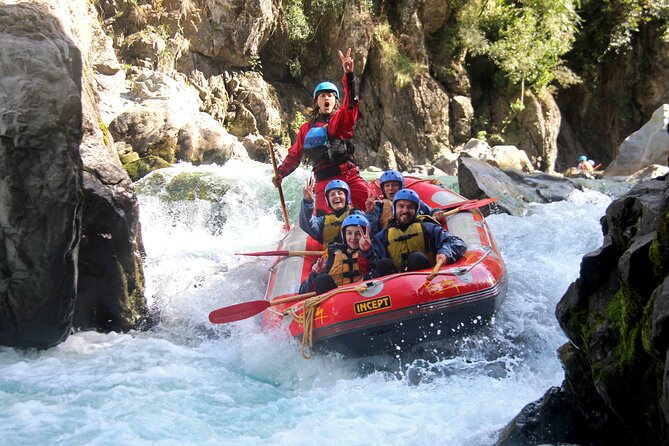
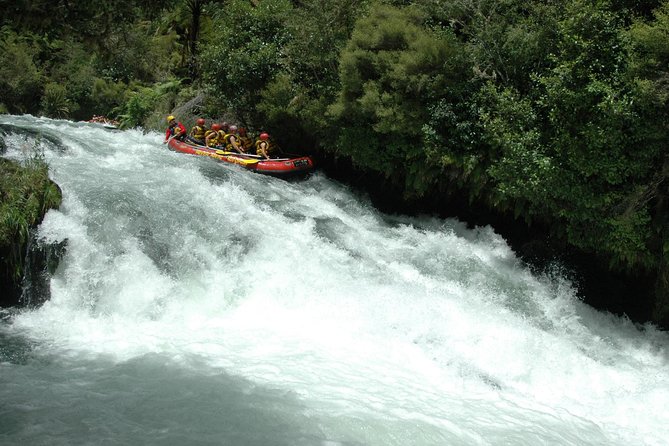
River rafting is controlled by conditions, and the Rangitaiki is no exception. Low water has affected some departures. In those cases, the operator has moved groups to the Grade V Kaituna River, a shorter experience that can include a 7-meter waterfall.
That alternate trip may sound like an upgrade, but it is a different experience. The Kaituna is more intense and may suit you if you specifically want a major feature such as a waterfall. It may not suit you if you chose the Rangitaiki for its longer run, lower grade, forest setting, or more measured pace.
One group initially booked the Grade III and IV outing and accepted the Grade V alternative when numbers were too low. The result was a shorter run with a waterfall and a successful day for a group including people in their late 60s. That shows the alternative can work for fit older adults, but it does not mean the two rivers offer the same level of challenge.
Ask about the current river plan before setting out. Conditions, group numbers, and water levels can affect what you actually do.
Who will enjoy this rafting trip most
This is a good fit if you are physically active, comfortable getting wet, and interested in a shared outdoor challenge. You do not need previous rafting experience because the guide teaches the commands and practices them before the rapids.
The minimum age is 10, and children must be accompanied by an adult. The activity has a maximum of 50 people, although the size of your raft group is not specified. If you are traveling with a family, ask how children will be assigned and confirm that everyone meets the fitness expectations.
The trip also suits people who want more than a short burst of whitewater. You get a scenic drive, local context around Mount Tarawera, a forest-lined river, a calm-water section, lunch, and a hot shower.
It is less suitable if you want a high-intensity Grade V outing from the start. If you are an experienced rafter looking for a hard technical challenge, the Rangitaiki may feel tame in low water. The Kaituna alternative may provide more force, but it is not guaranteed and should not be assumed when booking.
Is the $121.36 price good value?
At $121.36 per person, the price is fair for a six-hour guided outing that includes transport from Rotorua, equipment, instruction, lunch, and a hot shower. Buying or renting the required gear separately would add cost and create more planning work.
The strongest value comes from the complete setup. You do not need to find Murupara on your own if pickup is arranged, and you do not have to bring a helmet, life jacket, wetsuit, or spray jacket. The guide also handles the safety briefing and river decisions.
The price is less compelling if you mainly want a short, intense rapids session. Part of the day goes to transport and preparation, and the flat-water section slows the pace. For a first rafting experience, that fuller format is a benefit. For a specialist paddler, it may feel less demanding than expected.
The high booking demand is worth noting, with the experience booked about 50 days ahead on average. That does not guarantee every date sells out, but it suggests you should reserve early if your Rotorua schedule is fixed.
Guides make the difference on moving water
The guide controls the safety of the outing, but also its mood and pace. Clear paddle commands matter when the raft is approaching rocks. Good local commentary matters during the quieter parts.
Jesse has been singled out for making the run fun, especially on a river with shallow areas and frequent adjustments around rocks. Cody has also led the outing, including a Grade V alternative for four people in their late 60s. These names are useful context, but you should not assume a particular guide will lead your departure.
The strongest praise centers on the guides being helpful, capable, and good at adding information beyond the basic rafting instructions. That is important because the trip includes several periods when the river itself is calm.
The overall recommendation rate is 98 percent, with a 4.9 rating from 96 reviews. Those figures point to consistently strong satisfaction, while the comments also show the limits of the product: water level and expectations about difficulty can shape your day.
Booking details and cancellation timing
Confirmation is provided when you book. Pickup is offered from Rotorua, while the listed meeting and ending point is Murupara Motor Camp.
The activity requires a minimum number of participants. If that number is not reached, the operator can cancel after confirmation and offer another date or experience, or provide a full refund.
You can cancel for a full refund up to 24 hours before the local start time. Cancellations or changes made less than 24 hours before the start are not refunded or accepted. Keep this in mind if your North Island plans depend on weather or transport.
Should you book the Rangitaiki River rafting trip?
Book it if you want a well-supported first or intermediate rafting experience with real rapids, a scenic river setting, and useful comforts at the end. The combination of Grade III water, one Grade IV section, flat-water rest, lunch, equipment, and Rotorua pickup gives you a rounded day rather than a single thrill.
Choose it with realistic expectations. Low water can reduce the challenge, shallow areas may require teamwork to move the raft, and the trip is not a guaranteed Grade IV workout. If your priority is a major waterfall or the strongest whitewater available, ask about the Kaituna option before you commit.
For most active visitors staying in Rotorua, I would book this as a practical and enjoyable river day, especially if you value good instruction and a complete package more than maximum intensity.
FAQ
Where does the rafting trip start?
The listed meeting point is Murupara Motor Camp at 963 Main Road, Murupara 3079, New Zealand.
Is hotel pickup available from Rotorua?
Yes. Hotel pickup and drop-off from Rotorua are included when arranged.
What time does the activity start?
The listed start time is 11:30 am at the meeting point.
How long does the experience last?
The full experience takes about six hours, including preparation, rafting, lunch, a shower, and transport arrangements.
What river grades will I raft?
The trip uses mostly Grade III rapids and includes one Grade IV section.
Do I need previous rafting experience?
No. A 15 to 20-minute introduction covers safety, paddle commands, and practice on flat water before the rapids.
What equipment is supplied?
The operator provides a wetsuit, booties, life jacket, helmet, spray jacket, and, depending on the weather, a polar fleece top.
What should I bring?
Bring swimwear and a towel. Lunch is included, but extra food and drinks are not included unless specifically stated.
What is the minimum age?
The minimum age is 10. Children must be accompanied by an adult.
Can the activity change if water levels are low?
Yes. Departures have sometimes changed to the Grade V Kaituna River when the Rangitaiki water level was too low. The alternate trip may include a 7-meter waterfall.
Just added around New Zealand
- Queenstown Kawarau River Whitewater Rafting★ 5.0 · 57 reviews
- Half Day, Grade 5, White Water Rafting on the Rangitikei River★ 5.0 · 66 reviews
- Queenstown: Shotover River Whitewater Rafting Trip★ 4.9 · 72 reviews
- Rotorua Sledging White Water Sledging | Kaitiaki Adventures★ 5.0 · 90 reviews
- Shotover River Rafting Trip from Queenstown★ 5.0 · 115 reviews
- Queenstown: Kawarau River Rafting and Jet Boat Ride★ 4.8 · 145 reviews
- Queenstown Kawarau River Rafting and Jet Boat★ 5.0 · 158 reviews
- The Hobbit Barrel Run Rafting Tour on the Pelorus River★ 5.0 · 167 reviews
White Water Rafting, compared.
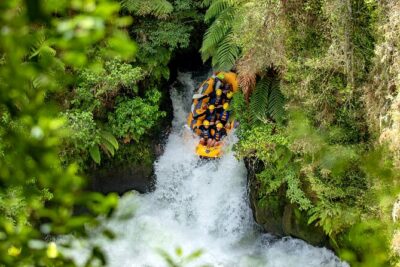
Rotorua Rafting: Kaituna River White Water Rafting & Free Sauna
Read our review →
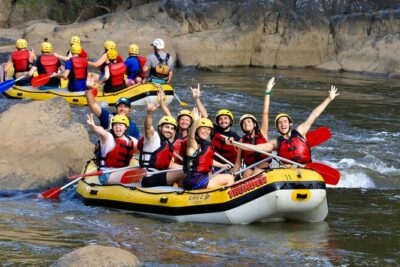
Barron Gorge White Water Rafting from Cairns or Port Douglas
Read our review →
ATV Quad Bike & White Water Rafting Adventure
Read our review →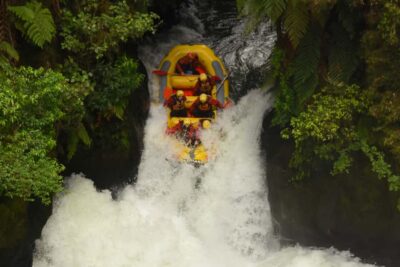
Rafting Rotorua: Kaituna River White Water Experience
Read our review →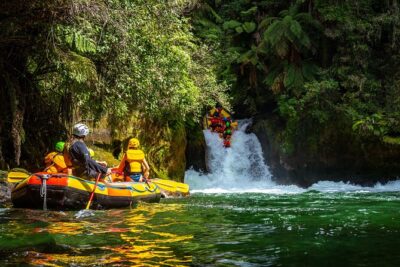
White Water Rafting – Kaituna Cascades, The Originals
Read our review →
Other lists this trip is on