
Review · ROTORUA RAFTING TOURS
Rangitaiki Rafting Grade 3-4
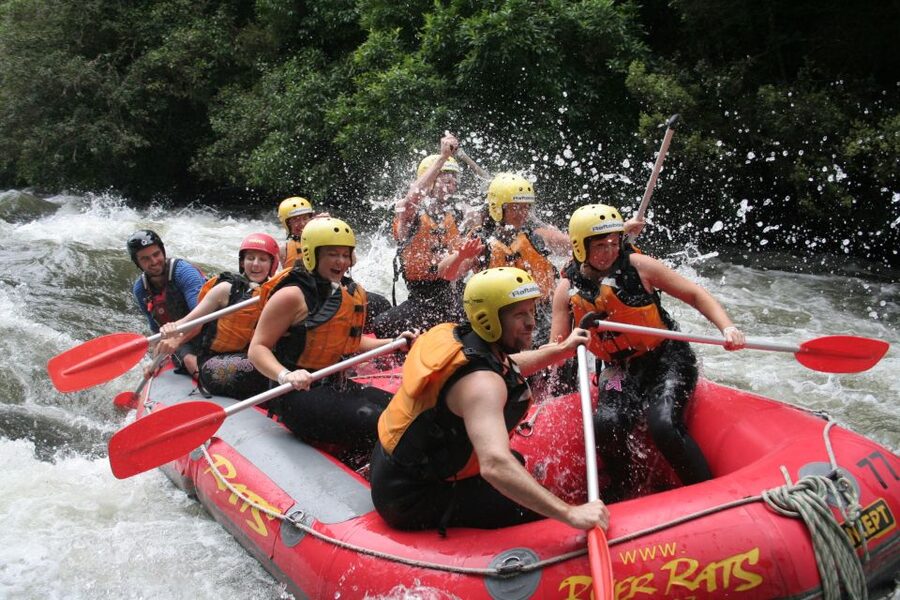
The Rangitaiki River gives you a proper taste of New Zealand whitewater without making the whole day a survival test. Most of the 14-kilometer run is grade 3, with one grade 4 rapid, Geoff’s Joy, plus quieter water through a forested river valley. I like the clear progression from training to rapids, and I like that about 80 percent of the people on the trip are first-time rafters. The one catch is water level: when the river runs low, your raft may scrape or stick on rocks.
I also like the mix of action and breathing space. There is about 15 minutes of flat water halfway through the run, enough time to look around, talk with your guide, or swim. The guides build confidence early, with Jason and Brony among the team named by recent participants, but communication has not been perfect for everyone, so listen closely during the briefing and ask questions before launching.
Key points before you book
- 14 kilometers of mostly grade 3 whitewater: You get a lively run with one grade 4 rapid, rather than a nonstop expert-only challenge.
- Training starts on flat water: Expect 15 to 20 minutes of paddle commands and safety practice before the rapids.
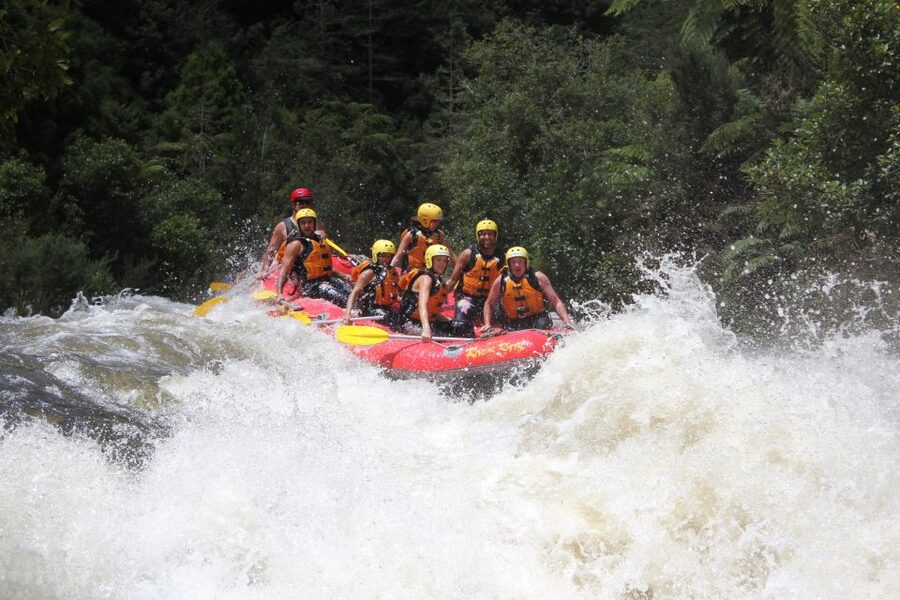
- Geoff’s Joy is the main burst of action: This named grade 4 rapid gives the trip its sharpest moment.
- A quiet section breaks up the run: Around 15 minutes of flat water lets you rest, swim, and enjoy the valley.
- Rotorua pickup and lunch are included: The $117 price covers equipment, instruction, a light lunch, and central accommodation transfers.
- River height affects the ride: Low water can lead to occasional contact with rocks and slower progress.
Why this Rangitaiki rafting trip works for first-timers
Grade 3 and grade 4 labels can sound intimidating, especially if you have never held a paddle in a moving river. Here, the balance is sensible. The river is mostly grade 3, described as fun and bouncy rather than a continuous wall of whitewater, and the single grade 4 rapid gives you one clear peak rather than a full run at the highest level.
You are not expected to arrive knowing what to do. Before the raft heads into the main current, the guide gives around 15 to 20 minutes of instruction. You learn the paddle and safety commands, then practice on calm water. That matters because rafting is a group sport. Your raft moves well only when everyone responds together.
I would pay close attention to this part, even if you have rafted before. The commands are not decoration. They tell you when to paddle, stop, hold on, or react to changing water. The guides Jason and Brony have been singled out for creating confidence from the start, while one recent assessment noted that communication could be sharper. The practical answer is simple: stay alert, repeat back anything you do not understand, and do not let embarrassment get in the way of safety.
The trip is aimed at people who are physically active, not elite athletes. Most participants are first-timers, which gives the outing a friendly learning curve. You need to be comfortable working with a group, following instructions, and handling a wet, physical activity for part of the day.
More Rafting Tours in Rotorua:
- Rotorua Rafting: Kaituna River White Water Rafting & Free Sauna
★ 5.0 · 1,952 reviews - Rafting Rotorua: Kaituna River White Water Experience
★ 4.9 · 1,274 reviews - Rafting Rotorua Kaituna White Water Rafting | Kaitiaki Adventures
★ 5.0 · 759 reviews
From Rotorua to the Rangitaiki River
The trip includes pickup from central Rotorua accommodation, normally leaving at 10:30 am for an 11:30 am start at the base. The drive from Rotorua takes about 45 minutes. If you are coming from Taupo, allow about an hour to reach the activity.
The advertised duration is six hours, but the actual time on the river is about 1 hour 45 minutes. Allow 3.5 to 4 hours for the activity itself, not counting travel. The longer day makes sense once you include pickup, changing, equipment, instruction, lunch, and the return journey.
That timing is useful when planning your North Island schedule. You should not place a major fixed appointment immediately afterward, especially if you are relying on the included transport. The base start time is 11:30 am, so this is a late-morning activity rather than an early dawn outing.
At the base, you receive the required specialist equipment and prepare for the river. Bring swimwear and a towel. Towel hire is available for a small charge, but you need to request it ahead of time. I would simply pack my own towel and avoid one more arrangement.
Learning the river commands before the rapids
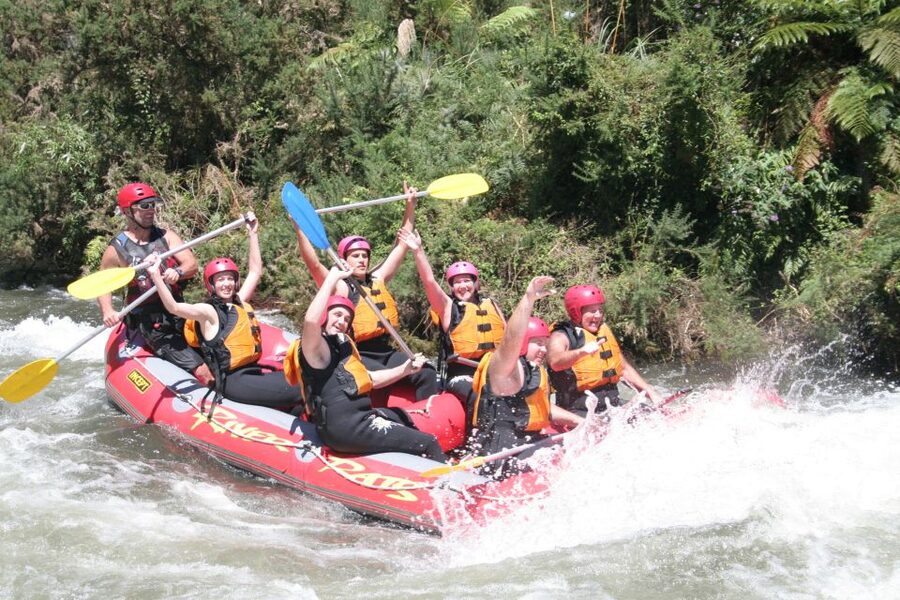
The flat-water practice is one of the most important parts of the day. It gives you a chance to hear the English-language instructions, test the paddle, and understand how your raft responds before the current gets busy.
You work as part of a team. That makes the experience different from a scenic boat ride, where you can sit back and let someone else handle the route. Here, your contribution matters. A raft full of people paddling at different times will not move cleanly, so the training helps turn a group of strangers into a working crew.
The instruction also sets the tone for the safety side of the activity. River rafting carries a real degree of risk, even with strict operating rules. You will need to sign a liability waiver and agree to accept that risk. This is not a reason to avoid the trip, but it is a reason to choose it with clear expectations.
The operator’s safety process has earned strong praise, with a recent participant describing the team as professional and reassuring. That is especially useful for first-timers. You should still treat the briefing as an active part of the trip, not something to sit through while waiting for the fun to start.
The 14-kilometer run through forest and rock
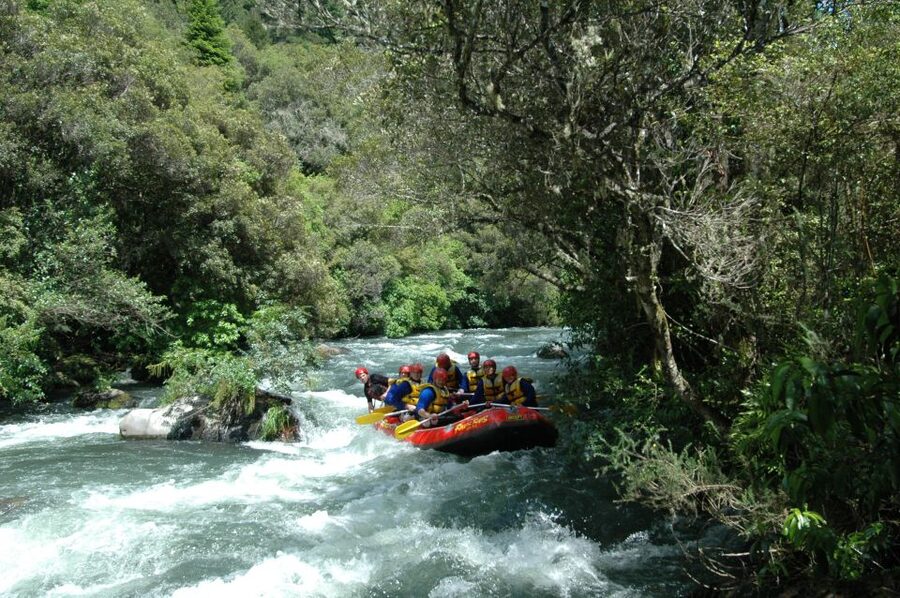
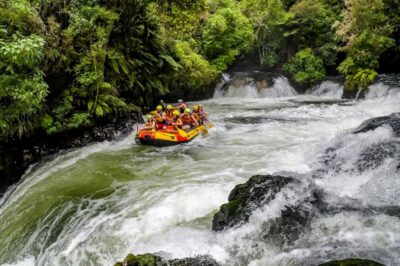
Once the raft enters the main run, expect a sequence of bouncy grade 3 rapids. The river cuts through a beautiful valley bordered by both native and plantation forest. The scenery is not a separate sightseeing stop. You see it between commands, paddle strokes, and bursts of spray.
The mix of forest types gives the trip a stronger sense of place than a bare training channel. Native forest brings the feeling of a wild New Zealand river corridor, while plantation forest shows the managed side of the region. You may have only a few seconds to look around during a rapid, but the calmer stretches let you take in the valley.
The rocky rapids require teamwork more than brute strength. You will be following the guide’s calls and helping the raft find its way through moving water. That shared effort is a big part of the appeal. You are not merely watching the river. You are helping the group negotiate it.
The run is described as accessible to physically active people, and the high proportion of first-time rafters supports that. Still, accessible does not mean effortless. You will get wet, paddle, brace yourself, and spend time reacting to the movement of the raft. If you want a passive sightseeing excursion, this is the wrong choice.
Same rivers, a different sort of day out:
- Rotorua Rafting: Kaituna River Rafting Experience-Free Sauna
★ 4.9 · 401 reviews - Kaituna River White Water Rafting from Rotorua
★ 5.0 · 388 reviews - Kaituna River and Tutea Falls Whitewater Rafting
★ 4.9 · 324 reviews - Rotorua Sledging White Water Sledging | Kaitiaki Adventures
★ 5.0 · 90 reviews
Geoff’s Joy and the sharper moment
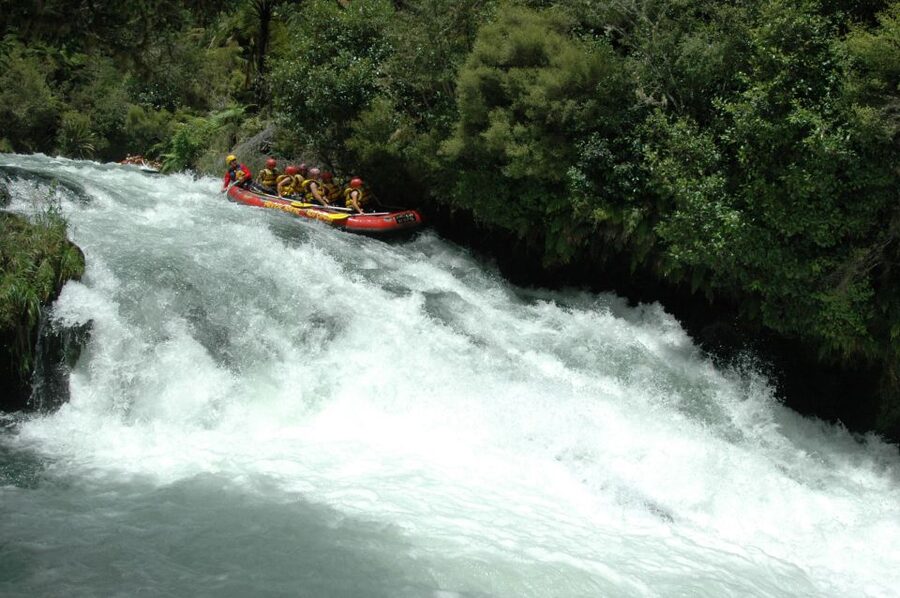
The trip’s main named feature is Geoff’s Joy, a grade 4 rapid. Since most of the run is grade 3, this section provides a noticeable step up in intensity. It is the point where your training and teamwork matter most.
The supplied details do not promise a particular shape or length for the rapid, so I would not book this expecting a dramatic set piece on the scale of a full-day expert expedition. Think of it as one stronger challenge within a broader run of lively rapids.
That format suits many people. You get a real adrenaline rush, as one participant put it, without having every minute devoted to the hardest water. If you are nervous, the single grade 4 section gives you a clear moment to prepare for. If you are experienced, the rest of the run may feel moderate, but you will still have a chance to enjoy the scenery and help a new crew find its rhythm.
River conditions can change the character of the outing. In April 2025, the water was low enough that the raft became stuck on rocks several times. The guides worked the group free, and the ride remained enjoyable, but low water can mean more scraping and less continuous flow. This is worth knowing if you are comparing dates or hoping for maximum speed.
The flat-water pause and chance to swim
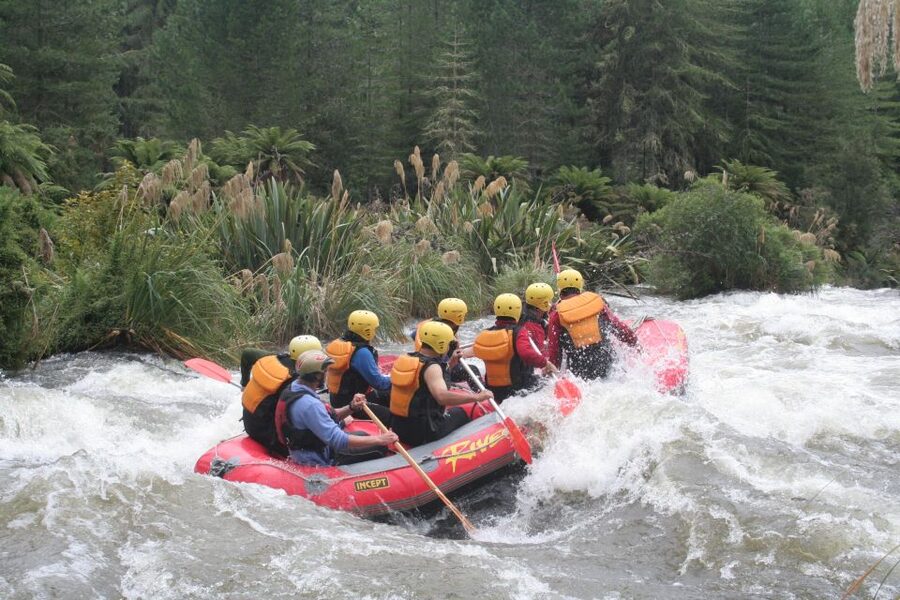
About halfway through the run, the river settles for around 15 minutes. This quiet section is a useful reset after the first set of rapids. You can relax, chat with the guide and the other people in your raft, and look at the forest valley without immediately preparing for the next command.
You may also swim if you wish. That makes swimwear essential, even though you are likely to get wet from the rafting alone. I would treat the swim as optional rather than a guaranteed centerpiece, since river conditions and the guide’s instructions determine what is suitable on the day.
This pause improves the rhythm of the trip. A full stretch of rapids could become tiring, especially for first-timers, while a trip with too much calm water might feel thin for the price. The quiet middle section gives you time to recover before the run continues.
Lunch, equipment, and the $117 value
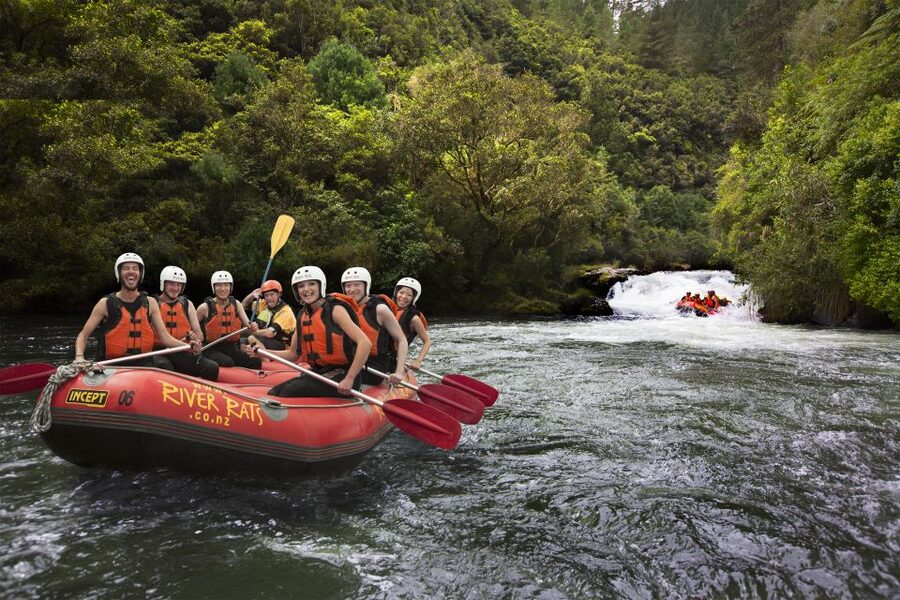
At $117 per person, the price covers more than the time spent paddling. You receive specialist equipment, full training, a light lunch, and complimentary transfers from central Rotorua accommodation. The included transport is useful because it removes the need to arrange your own route to the river base.
The value is strongest if you are staying in central Rotorua and need a half-day activity with most practical details handled. Equipment can be costly and awkward to arrange independently, so having it supplied keeps the decision simple. The lunch also means you do not need to organize food around the late-morning start.
The price is less compelling if you already have transport, rafting gear, and a full day of river experience. In that case, you are paying mainly for the guided route and access to the Rangitaiki run. For a first rafting outing, though, the training and organized safety support make the total easier to justify.
The light lunch should be treated as a useful inclusion, not a major food experience. Bring the basics you need for the day, but do not add extra items to the river unless the operator permits them.
Who should book, and who should sit this one out
I would recommend this trip to active families with older children, couples, friends, and solo visitors who want a social outdoor activity. The minimum age is 10. Children under 13 must be accompanied by an adult, able to walk a short section of about 150 meters near the beginning, and rafting must take place when the gauge reads below 7.0.
The minimum recommended weight is 40 kilograms, and the maximum is 125 kilograms. People over 125 kilograms cannot take part. Pregnant women and people with mobility impairments should not book this activity.
You should also be honest about your comfort with water and physical effort. The activity is friendly to beginners, but you still need to paddle, listen, move with the raft, and accept getting wet. If you want a quiet ride with no team role, choose a calmer river experience instead.
The language of instruction is English. That is important because safety commands need to be understood quickly. If you are not comfortable receiving spoken instructions in English, this may not be the best fit.
Practical details that make the day easier
Wear swimwear and bring a towel. You will need clothing that can get wet, and you should expect the possibility of a swim even if you do not plan to enter the water deliberately.
Plan for a full six-hour block when transport is included. The water time is shorter, but the day includes travel from Rotorua, preparation, training, lunch, and changing. Pickup from central Rotorua accommodation is possible at 10:30 am for the 11:30 am base start.
The activity allows free cancellation up to 24 hours before departure for a full refund. That gives you some flexibility if your North Island plans change, but river conditions remain an important part of the experience. Low water may slow the raft and cause it to catch on rocks, while the safety rules determine what sections can be run.
The overall rating is 4.7 from 16 assessments, with the strongest praise aimed at the friendly, professional guides and the fun, confidence-building descent. One note about communication is worth keeping in mind, but it does not erase the broader pattern of a well-supported first rafting experience.
Should you book the Rangitaiki rafting trip?
Book it if you want a beginner-friendly whitewater day with one serious highlight, useful instruction, forest scenery, lunch, and transport from Rotorua. The combination of mostly grade 3 rapids, one grade 4 challenge, and a calm swimming break gives the day a good range.
I would be more cautious if your main goal is nonstop extreme whitewater, since most of the run is moderate and low water can interrupt the flow. I would also check the conditions if you have a very specific idea of what rafting should feel like.
For active people who want to try rafting without committing to an expert-level expedition, this is a sound choice. You get enough action to feel the river working beneath you, plus enough calm water to enjoy the valley and catch your breath.
FAQ
How long does the Rangitaiki rafting experience last?
The advertised duration is six hours. You spend about 1 hour 45 minutes on the water, and the activity itself takes about 3.5 to 4 hours excluding travel time.
How difficult is the rafting?
The trip is mostly grade 3, with one grade 4 rapid called Geoff’s Joy. It is suitable for physically active people, and around 80 percent of participants are first-time rafters.
What training is provided?
You receive about 15 to 20 minutes of training in paddle and safety commands. The group practices on flat water before entering the rapids.
Is transport from Rotorua included?
Yes. Complimentary pickup is available from central Rotorua accommodation, with pickup at 10:30 am for an 11:30 am start at the base. Travel from Rotorua takes about 45 minutes.
What should I bring?
Bring swimwear and a towel. Towel hire is available for a small charge, but it must be requested in advance.
What is the minimum age?
The minimum age is 10. Children under 13 must be accompanied by an adult, able to walk a 150-meter section near the start, and take part when water levels are below 7.0 on the gauge.
Can I cancel for a refund?
You can cancel up to 24 hours in advance for a full refund.
Just added around Rotorua
- Rotorua: Tarawera River Raft and Kayak Adventure★ 5.0 · 2 reviews
- Rotorua: Kaituna Rafting & Mt. Tarawera Guided Hike Combo★ 4.5 · 11 reviews
- Rotorua Sledging: Kaituna White Water River Board Experience★ 4.8 · 36 reviews
- Rangitaiki Rafting Grade 2★ 4.8 · 6 reviews
- Kaituna River Rafting Grade 5★ 4.9 · 36 reviews
- Rotorua Sledging White Water Sledging | Kaitiaki Adventures★ 5.0 · 90 reviews
- Kaituna River and Tutea Falls Whitewater Rafting★ 4.9 · 324 reviews
- Rotorua Rafting: Kaituna River Rafting Experience-Free Sauna★ 4.9 · 401 reviews
Rotorua Rafting Tours, compared.
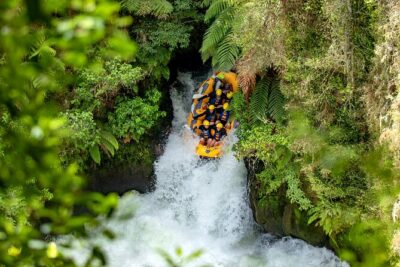
Rotorua Rafting: Kaituna River White Water Rafting & Free Sauna
Read our review →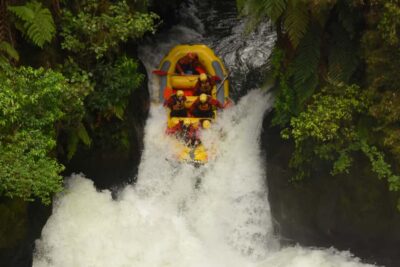
Rafting Rotorua: Kaituna River White Water Experience
Read our review →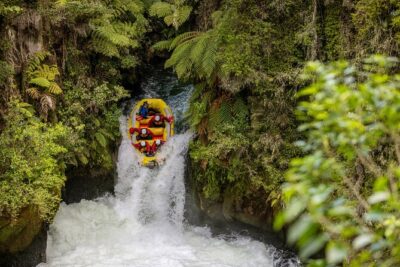
Rafting Rotorua Kaituna White Water Rafting | Kaitiaki Adventures
Read our review →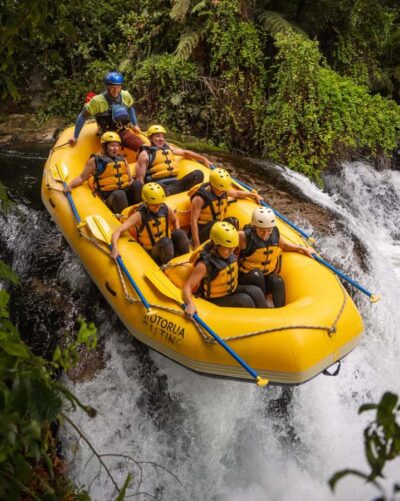
Rotorua Rafting: Kaituna River Rafting Experience-Free Sauna
Read our review →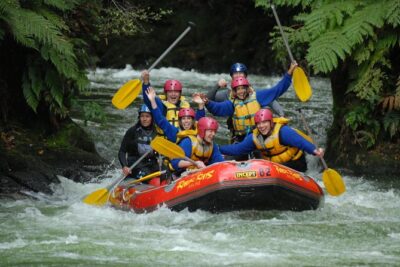
Kaituna River and Tutea Falls Whitewater Rafting
Read our review →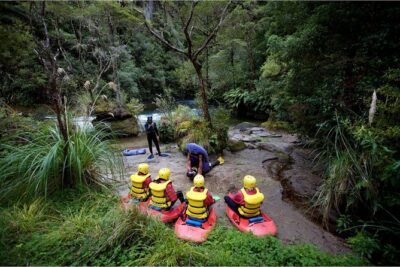
Rotorua Sledging White Water Sledging | Kaitiaki Adventures
Read our review →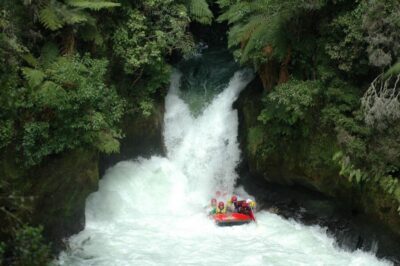
Other lists this trip is on