
Review · WHITE WATER RAFTING
Lake District White Water Rafting
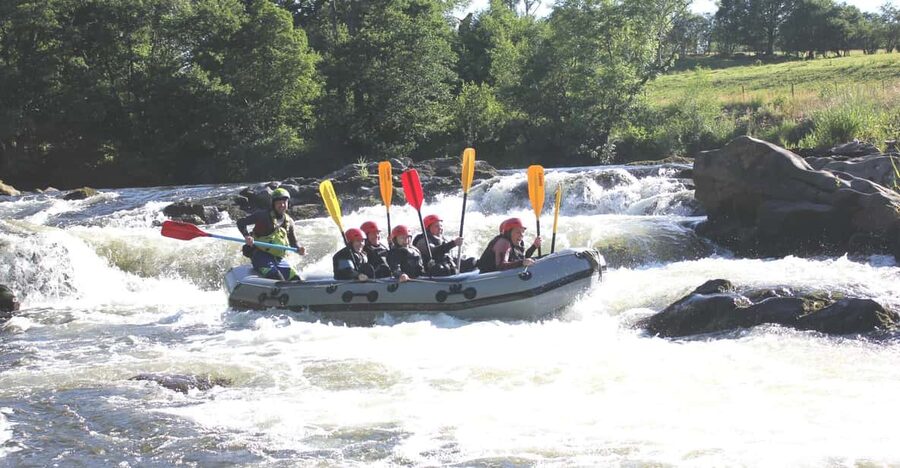
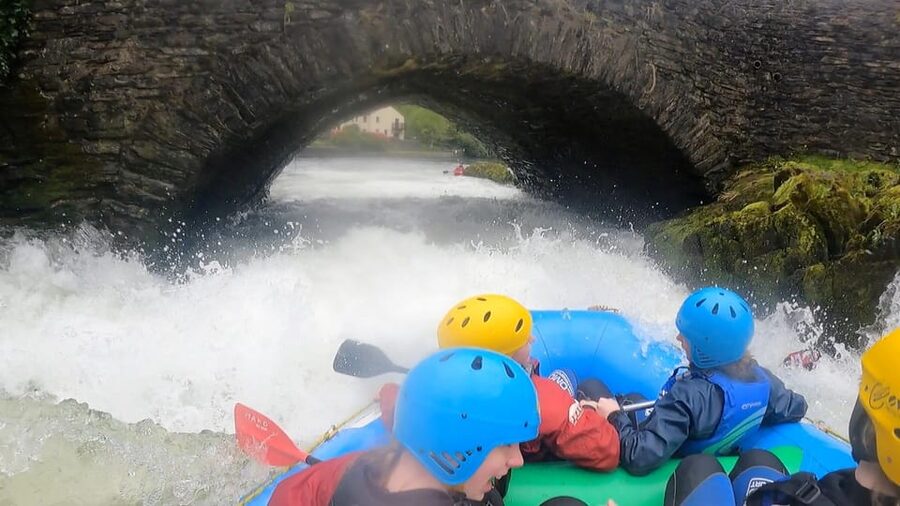
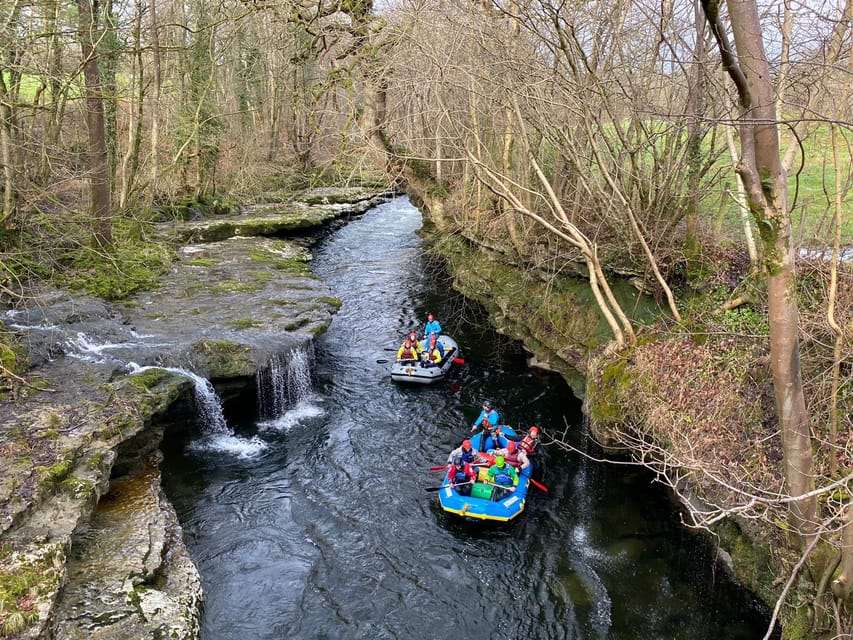
The most unusual part of this Lake District outing is not simply the rapids. It is the chance to reach river scenery that cannot be seen from a road or walking trail. After your safety briefing, you travel in a raft convoy, with a qualified guide giving commands from each boat.
I like the all-weather format. Rain, snow, or sunshine can all add to the fun, and the wet weather matters less once you are already in a wetsuit. I also like the mix of families, couples, and friends, with no stated maximum age. Guide Dan has earned special praise, and that personal touch matters when you are trusting someone with a paddle and a helmet.
The main consideration is physical effort. This is suitable for people with ordinary fitness, but rafting still asks you to paddle, brace, listen, and stay active. You must be able to swim, weigh under 20 stone, or 127 kilograms, and you should not plan another strenuous activity that same day unless your group is fit for it.
Key points before you book
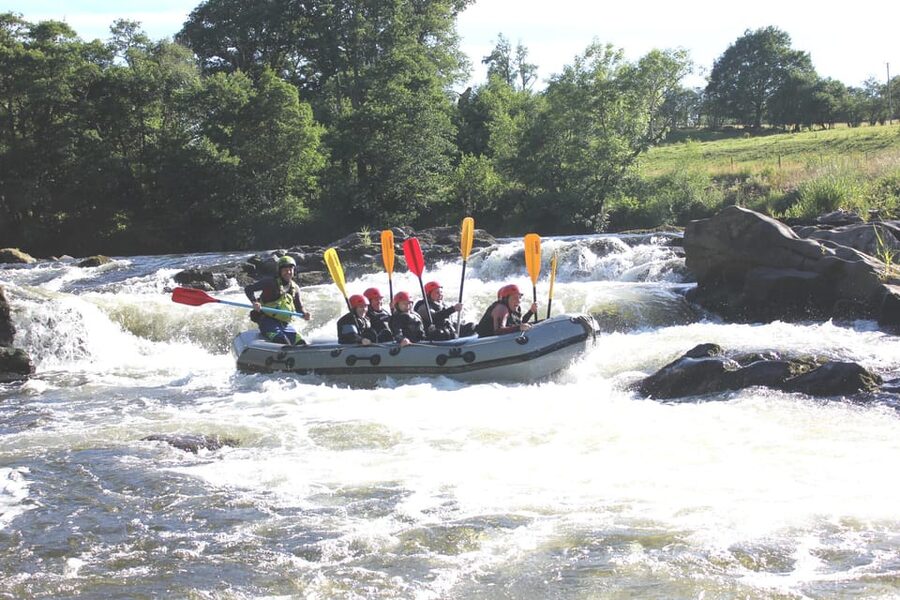
- Natural English rapids: You tackle some of the best natural white-water rivers in England, not a manufactured course.
- Guides in every raft: A fully qualified raft guide leads each boat, gives instructions, and helps keep the convoy together.
- Ages 8 to 88: Children under 8 cannot join, but there is no stated upper age limit.
- Everything important is supplied: Wetsuit, buoyancy aid, helmet, safety tuition, and a winter dry jacket are included.
- Bring the right footwear: Use secure, closed-toe trainers with a good tread. Flip-flops, Crocs, bare feet, and smooth-soled wetsuit boots are not suitable.
- Allow half a day: The trip lasts 3.5 hours, and you should expect to feel the physical work afterward.
What the 3.5-hour rafting trip feels like
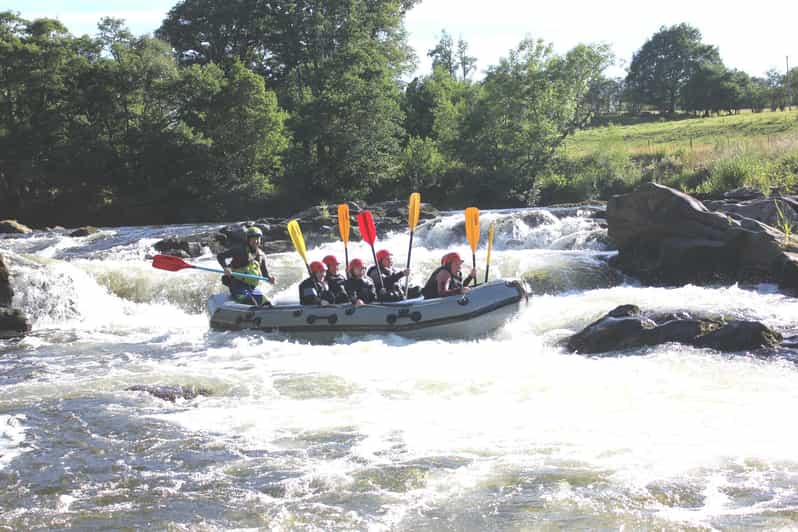
This is a half-day outdoor activity built around moving water, not a sightseeing cruise. You will spend the session close to the river, following commands, working with the people in your raft, and enjoying views reached by water.
The exact river and meeting point depend on the day’s arrangements. The company runs trips on various rivers in and around the Lake District, so you should not book this expecting one fixed route or one guaranteed set of rapids. The exact meeting point arrives by email 24 hours before the trip.
That late confirmation is useful because it gives you the location for your particular outing, but it does require attention. Check your inbox before setting off, especially if you are driving into an unfamiliar part of Cumbria.
At the start, you receive the supplied safety equipment and change into a wetsuit. Your buoyancy aid and helmet are part of the standard kit. In winter, dry jackets are added, which is a welcome extra when air temperatures are low.
A full safety briefing comes before the rafts enter the water. Pay close attention here. You will need to understand the guide’s paddle commands, how to work with the rest of the raft, and what to do if the water becomes rough. The guide is not just a person steering from the back. They are there to manage the group, explain what is ahead, and help you respond properly.
The rafts travel in convoy. That arrangement gives the outing a social feel, with interaction between boats rather than each group disappearing downriver on its own. It also means your guide is part of a wider team keeping an eye on the activity.
Expect a mix of paddling, movement, splashes, and pauses to take in the river setting. The rapids are the main attraction, but the quieter stretches let you notice the natural surroundings. This is one of the few ways to see parts of the area that cannot be reached directly by road.
More White Water Rafting in the UK:
- Whitewater Rafting on the River Dee in Llangollen
★ 5.0 · 939 reviews - White Water Rafting Experience in River Dee in Llangollen
★ 5.0 · 465 reviews - White Water Rafting on the River Tay from Aberfeldy
★ 5.0 · 268 reviews
Why the natural rivers matter
A purpose-built white-water course can offer control and repeatability. Natural rivers offer something different: changing water, real rock, and a setting that feels tied to the Lake District itself.
You are not simply paying for a thrill ride. You are paying for access, equipment, instruction, and the chance to see the area from a fresh angle. The water places you inside the scenery rather than beside it.
The phrase last wilderness of England is promotional language, but the basic idea is clear. Some river sections are reached only by water, and that changes how the area feels. You are away from screens, traffic, and ordinary sightseeing routes for several hours.
The views will not be the same as those from a high fell or a lakeshore path. From a raft, your attention is split between the river ahead, the guide’s instructions, the people in your boat, and the banks around you. That is part of the appeal. You get an active way to see the region instead of stopping every few minutes for a photograph.
Weather can also change the mood. A bright day may give you clearer views, while rain or cool conditions make the water feel wilder. The supplied winter dry jackets help, but you should still expect to get wet.
The guide makes the difference
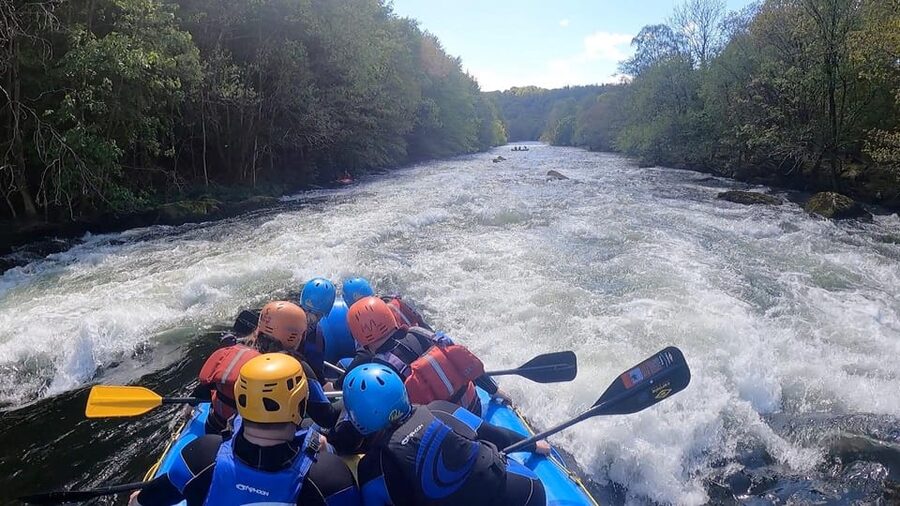
Rafting is easier to enjoy when instructions are clear and calm. You do not need previous experience, but you do need to listen and respond as a team.
A qualified guide is assigned to every raft. That is important for first-time rafters and for families with mixed confidence levels. The guide gives expert tuition, manages the boat, and keeps safety at the centre of the outing.
Dan is one guide specifically praised for making the experience work well. You should not assume he will lead your particular departure, but his mention gives you a sense of the human side of the activity. A good guide can turn a nervous first few minutes into a shared challenge.
You will also have interaction with the other rafts in the convoy. This suits groups who want a lively outing rather than a quiet nature trip. It can be especially good for couples and friends who enjoy a little friendly competition, though the information provided does not promise specific raft games or races.
The guide’s English instruction is another practical point. Everyone taking part needs to understand safety directions in English. If you are booking for an international group, make sure each person can follow spoken instructions on the water.
Who should book this outing
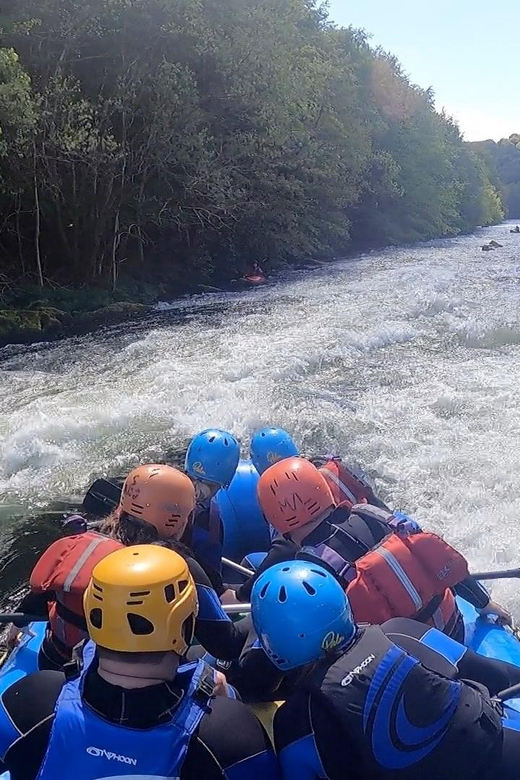
The activity is designed for a broad age range, from 8 upward, and no previous rafting experience is required. That makes it a strong option for families with older children, groups of friends, couples, and visitors who want more action than a normal walk.
You should be comfortable in water and able to swim. Those are firm requirements, not minor suggestions. Even with a buoyancy aid, the activity involves natural moving water, so a person who is frightened in water may not enjoy it.
The physical demand is moderate but real. You do not need to be a trained athlete, and the trip is described as suitable for people with marginal fitness. Still, you may paddle, hold your position, and respond to instructions for much of the session.
I would avoid pairing this with another demanding activity on the same day. A long fell walk, strenuous cycling route, or similar challenge could leave you tired before the rafting begins or sore afterward.
Children under 8 cannot take part, and pregnant women should not book. The weight limit is under 20 stone, or 127 kilograms, for each participant. If anyone in your party is close to the limit or has a medical concern, check before booking.
More Rafting Tours in the UK:
- Brilliant White Water Rafting in the Lake District UK
★ 5.0 · 260 reviews - Whitewater Rafting Activity, Bala,Wales
★ 5.0 · 224 reviews - Whitewater River Tubing in Llangollen
★ 5.0 · 191 reviews - Aberfeldy: Rafting on the River Tay
★ 4.4 · 62 reviews
What to wear and pack
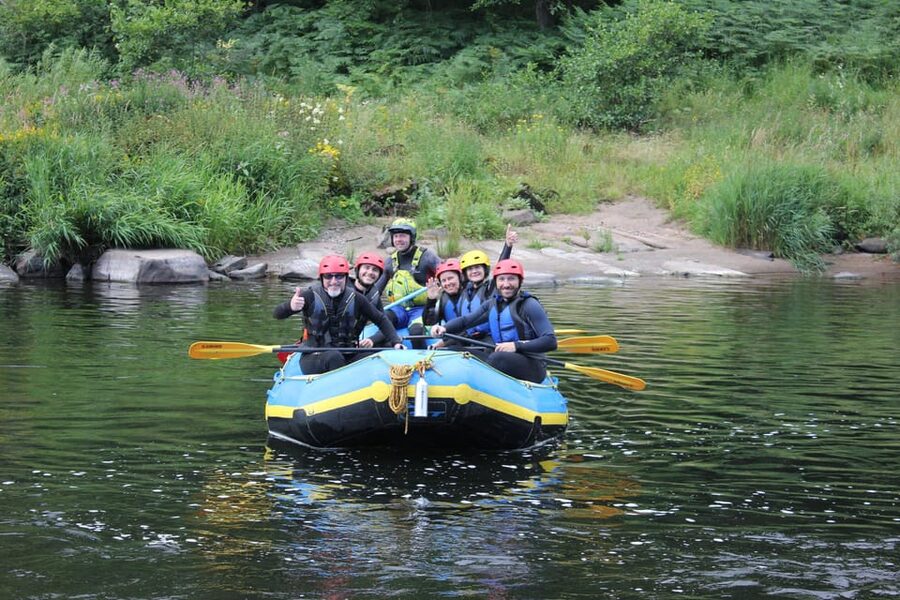
The operator supplies the main safety and water equipment, so you do not need to buy a wetsuit or helmet. You do need to arrive with the right personal items.
Bring:
- Swimwear to wear under the wetsuit
- A towel
- Secure trainers or other closed-toe shoes with a good tread
- Any personal medication you may need that day
The footwear rule deserves attention. Your shoes will get wet, and they need to stay firmly on your feet. Flip-flops, Crocs, bare feet, and smooth-soled wetsuit boots are not accepted. The general instruction also refers to hiking shoes, but the detailed guidance is clear that your footwear must be closed-toe and secure.
Do not plan on wearing shorts for the rafting session. Swimwear goes under the wetsuit, which gives you the best protection from cold water and rubbing equipment.
Cellphones are not allowed during the activity. That is sensible on moving water, but it means you should not expect to use your phone for casual photographs. You may bring a GoPro or similar camera, but you must supply a body harness. Cameras cannot be mounted on helmets.
Photos may sometimes be available to buy after the trip, but this is not guaranteed. I would treat any photographs as an extra, not as part of the main value.
Getting to the river and handling the parking
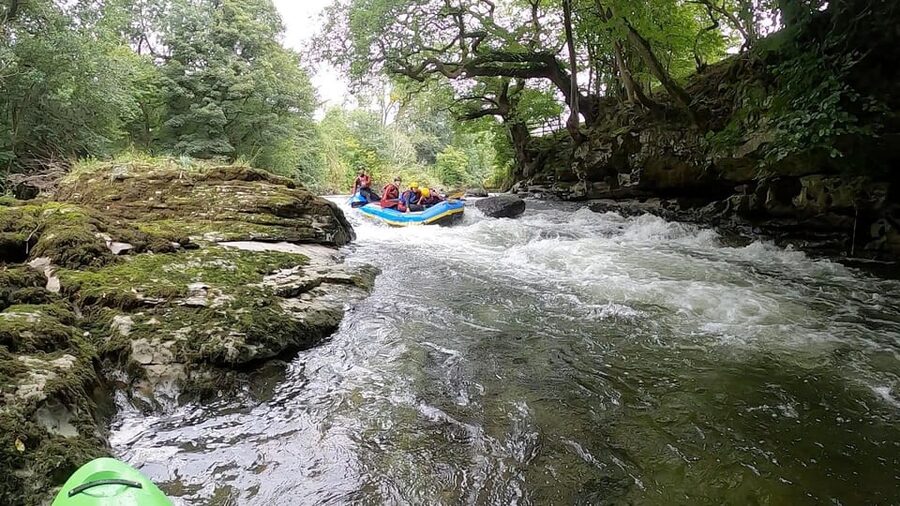
The exact meeting point is confirmed by email 24 hours before the trip. That means you need to keep your travel plans flexible until the location arrives.
The North Lakes meeting point is not accessible by public transport. You should have a car or confirmed transportation before booking that option. Parking is included at the North Lakes location.
The South Lakes meeting point has a different arrangement. Parking costs £8 per car through the National Trust on the day, unless you can use a National Trust membership card to avoid the fee. Bring the card if you have one.
A free shuttle ride takes you from the car park to the river and back when required. This removes some of the hassle of transporting people and gear, though you should still allow time to change and get organised.
For a group, the parking cost is minor compared with the activity price. For a solo participant or a couple watching every expense, it is worth checking whether your meeting point is in the South Lakes and adding the fee to your budget.
Is $133 good value?
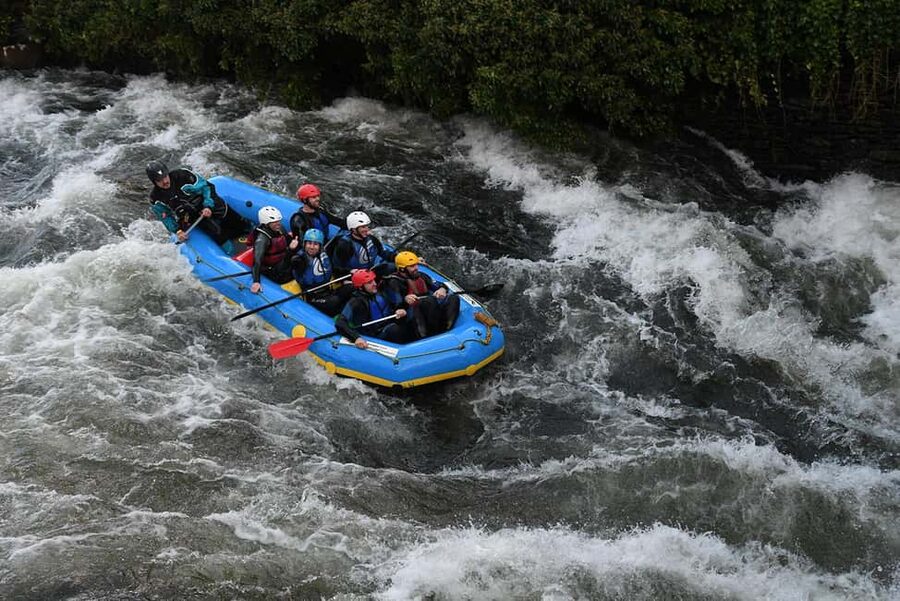
At $133 per person, this is not a cheap casual activity. I think the value depends on how much use you will make of the included service.
You are paying for 3.5 hours of guided activity, a qualified leader in every raft, safety instruction, wetsuit, buoyancy aid, helmet, and any required shuttle transfer. In winter, dry jackets are added. At the South Lakes location, hot showers are also available.
You are also paying for an experience that is difficult to arrange independently. Natural river rafting requires equipment, route knowledge, safety planning, and an organised group. Buying or hiring a raft does not replace the need for trained supervision.
The price makes the most sense for a special day in the Lake District, especially if your group wants one shared activity rather than separate sightseeing. Families and friends can split the cost of transport and make the session the centrepiece of the day.
The value is weaker if you want a relaxed scenic outing, dislike getting wet, or will not enjoy physical teamwork. You should also budget for possible South Lakes parking, although that is only £8 per car and can be avoided with the relevant National Trust membership card.
Free cancellation up to 24 hours before the trip and the option to reserve now and pay later reduce the risk of committing too early. You still need to read the final meeting details carefully when they arrive.
The small details that improve the day
The strongest appeal here is the combination of guidance and access. You do not need specialist skills, but you still get a real river experience rather than a watered-down introduction.
The all-weather promise is also practical. The Lake District is famous for changeable conditions, and a rainy forecast does not automatically ruin this plan. You will already be wearing a wetsuit, and winter trips include dry jackets.
Still, weather affects comfort. Good equipment helps, but it does not make cold conditions disappear. Bring a towel, follow the clothing rules, and keep a warm change of clothes available for afterward.
The social setup suits groups. Rafts travel together, and there is interaction between boats. If you are seeking solitude, this is not the right choice. If you want a shared challenge with plenty to talk about later, it fits well.
The small number of published ratings is worth keeping in mind when judging the five-star score. The comments praise the guide, the scenery, and the trip overall, but they do not give a detailed account of every river, route, or group size. Go in expecting a well-organised introduction to natural white water, not a fixed itinerary with guaranteed conditions.
Should you book Lake District White Water Rafting?
Book it if you want an active Lake District day, can swim, and like the idea of seeing river scenery from the water. It is especially well suited to families with children aged 8 or older, couples, and friends who want a shared challenge without needing previous rafting experience.
I would skip it if you want a dry sightseeing tour, have limited mobility that affects paddling or water activity, or are uneasy in moving water. Also check transport before paying, since the North Lakes meeting point requires a car or arranged ride.
For the right group, $133 buys more than a few rapids. It buys expert supervision, the equipment, and access to a part of the Lake District you cannot reach in the usual way. The guide, the natural rivers, and the chance to go out in almost any weather are the reasons I would put this high on an adventure-focused itinerary.
FAQ
How long does the Lake District rafting trip last?
The activity lasts 3.5 hours. Starting times vary, so you should check availability when booking.
What is the minimum age?
The minimum age is 8. Children under 8 cannot take part. There is no stated maximum age.
Do I need previous rafting experience?
No. Previous experience is not required, and expert tuition is included.
Do I need to be able to swim?
Yes. Everyone must be able to swim and feel comfortable in the water.
What equipment is provided?
The operator provides a wetsuit, buoyancy aid, safety helmet, expert tuition, and a fully qualified raft guide for every raft. Winter trips also include dry jackets.
What should I bring?
Bring swimwear, a towel, secure trainers or hiking shoes with closed toes and good tread, and any personal medication you may need. Your shoes must be suitable for getting wet.
Can I bring my cellphone or a camera?
Cellphones are not allowed. You may bring a GoPro or similar camera if you provide your own body harness. Cameras cannot be mounted on helmets, and photos may sometimes be available to purchase afterward.
Is parking included?
Parking is included at the North Lakes meeting point. The South Lakes meeting point charges £8 per car through the National Trust, though a National Trust membership card may avoid the fee. The North Lakes location is not accessible by public transport.
Just added around the UK
- Llangollen: White Water Rafting Adventure★ 4.9 · 52 reviews
- White Water Tubing in Galloway★ 5.0 · 3 reviews
- White Water River Bugs in Llangollen★ 5.0 · 39 reviews
- FUN White Water Rafting★ 5.0 · 53 reviews
- Dumfries White Water Tubing Adventure★ 5.0 · 6 reviews
- River Tay White Water Rafting★ 5.0 · 32 reviews
- White Water Rafting and River Bugs on the River Tummel★ 5.0 · 16 reviews
- White Water Rafting Half-Day Trip on the River Tummel★ 5.0 · 27 reviews
White Water Rafting, compared.
Rotorua Rafting: Kaituna River White Water Rafting & Free Sauna
Read our review →
Barron Gorge White Water Rafting from Cairns or Port Douglas
Read our review →
ATV Quad Bike & White Water Rafting Adventure
Read our review →
Rafting Rotorua: Kaituna River White Water Experience
Read our review →
White Water Rafting – Kaituna Cascades, The Originals
Read our review →
Other lists this trip is on