Review · RAFTING AND WATERFALL DAYS
Chiang Mai: 2-Day Tour with Rafting, Elephants, and Waterfall
The best part of this two-day trip is the mix of river adventure, jungle walking, and close elephant care. You raft the Mae Wang River, sleep beside a waterfall, and spend time feeding and bathing elephants rather than simply stopping for a quick photograph.
I like the small group size, limited to 12 people, and the overnight stay beside a jungle waterfall. I also like the guides’ personal touch: Chin is known for his upbeat manner and wildlife facts, while Jack and Tip are warm and helpful, though their English is limited. The main drawback is clear: this is not a polished resort-style outing. Expect mud, basic jungle conditions, and a fair amount of walking.
Key points to know before booking
- Raft the Mae Wang River for about 30 minutes, with jungle views and possible elephant sightings along the route.
- Sleep beside a waterfall in a local jungle house, with air conditioning, a private bathroom, towels, television, fridge, and kettle.
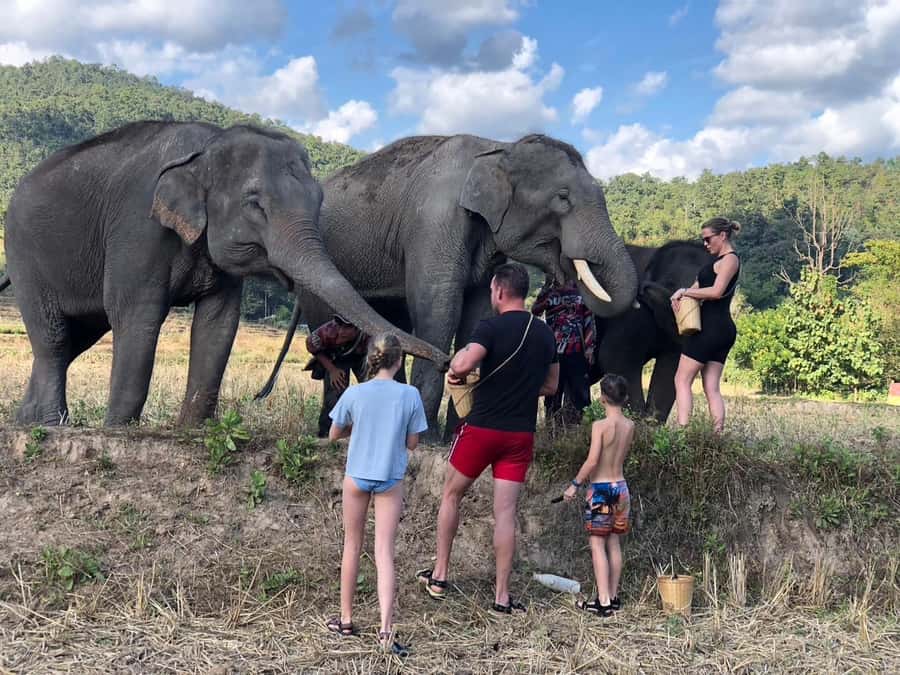
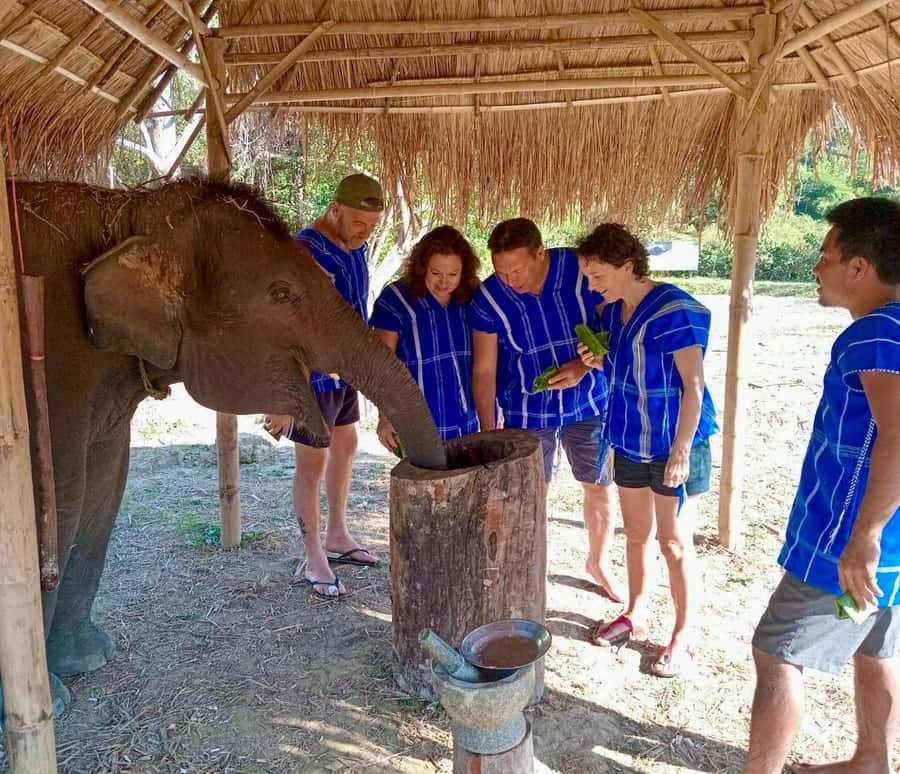
- Feed and bathe elephants at a sanctuary, while learning why water and daily care matter to them.
- Walk with a local Karen guide through jungle areas, waterfalls, farms, rice fields, and a Karen village.
- Eat one dinner, one breakfast, and one or two lunches, but bring money for drinks.
- Expect a physical trip, with trekking, slippery ground, swimming stops, and muddy elephant activities.
Why this Chiang Mai trip feels different
Many Chiang Mai day outings give you one headline activity and a quick return to town. This one uses two days to connect several parts of northern Thai life: farming country, jungle paths, waterfalls, a Karen village, river travel, and elephant care.
That longer format matters. You are not rushing from one photo stop to the next. After the first day’s walking and rafting, you stay in the forest beside a waterfall. The next morning begins there, not in a van on the way to another attraction.
I especially like the balance between active and quiet moments. Bamboo rafting gives you a short burst of fun on the water. The trek slows the pace and lets the guide point out plants and bird nesting areas. At the elephant camp, the focus shifts again to animal care.
The experience costs $173 per person. That is not the cheapest way to see the countryside around Chiang Mai, but the price covers two days of transport, accommodation, meals, rafting, guiding, trekking, the Karen village visit, and the elephant activities. If you were to arrange those parts separately, the transport and overnight stay alone would take time and planning.
The value depends on your travel style. If you want a soft seat, a fixed timetable, and neat paths, this is poor value for you. If you want several outdoor activities in one compact trip and prefer a small group to a large coach, the price is easier to justify.
More Rafting and Waterfall Days in Chiang Mai
- Chiang Mai: Elephant Sanctuary, Waterfall & Bamboo Rafting
★ 4.9 · 9,160 reviews - Chiang Mai Elephant Sanctuary, Bamboo Rafting and Waterfall Tour
★ 5.0 · 870 reviews - 4 in 1 Elephants Long Neck Rafting and Sticky Waterfall Tour
★ 5.0 · 126 reviews
Leaving Chiang Mai for farms and rice fields
Pickup is scheduled for around 8:30 am, with the van collecting you from your Chiang Mai hotel. You should wait in the lobby from 10 minutes before pickup and look for a gray minibus from Temple of Elephants.
The exact departure may take longer if the van is collecting several groups, especially if your hotel is far from another pickup point. I would not plan an important late-afternoon commitment for the return day. This is a countryside outing, and road time plus trekking can be hard to predict.
The drive heads southwest from Chiang Mai. The route gives you a look at local farms, rice fields, and hill tribe communities before the more active parts begin. This transfer is not just dead time. It helps explain the setting you are entering, moving from the city into rural northern Thailand.
The group is limited to 12 people. That is small enough for easier communication on a jungle path and more personal attention during elephant care. It also means the group may wait for slower walkers, so the pace is shared rather than private.
Thirty minutes on the Mae Wang River
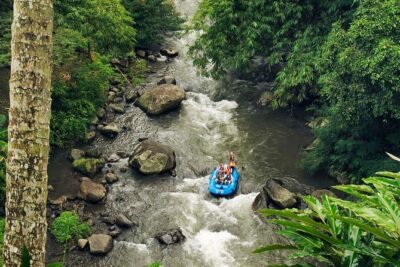
The bamboo rafting section lasts about 30 minutes. It is short, but it adds a welcome change from sitting in the minibus and walking on foot.
The river route takes you through jungle scenery, and the activity is described as a chance to see elephants in a natural setting. You should keep your expectations sensible. This is not a long whitewater rafting trip, and the main appeal is the calm river setting, the bamboo raft, and the chance to watch the forest from the water.
The rafting can be refreshing, but it may also get you wet. Wear clothes that can handle water and mud, and keep anything valuable protected. The activity was described as high-energy by one participant, while another found it simply pleasant and refreshing. That tells you the experience may feel different depending on the river conditions and your own appetite for adventure.
Guide Chin has been praised for keeping the mood light and sharing useful facts during the wider jungle outing. A good guide matters here because the river itself is only part of the experience. The details about the surrounding forest help turn a short raft ride into a proper introduction to the area.
Waterfalls, plants, and a jungle night
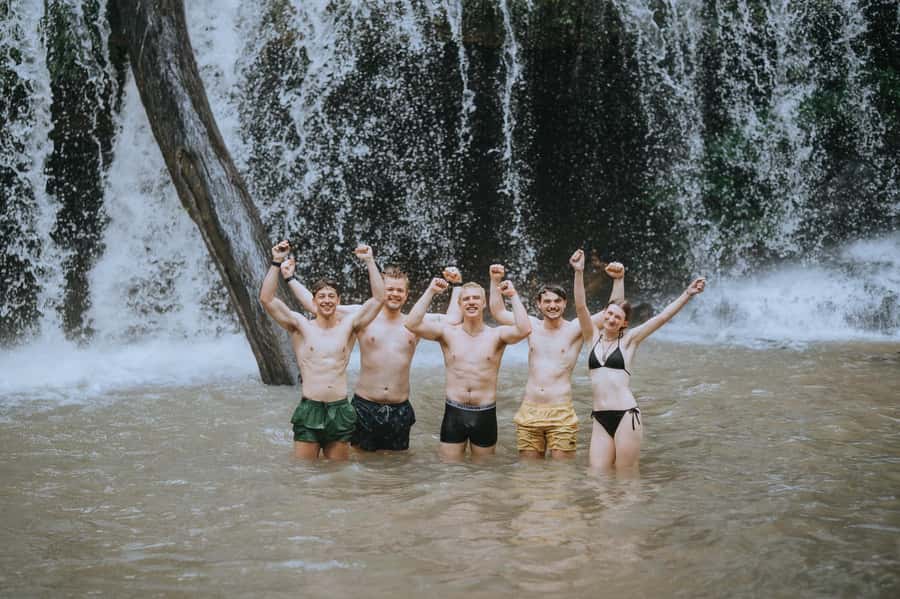
After the river, you continue on foot through the jungle. The route includes several waterfalls, with time to stop, rest, and swim. These breaks are important because the day combines a morning departure, driving, rafting, and trekking.
The guide may point out plants that move when touched and explain where local birds build nests. Those details give the walk more purpose than simply following a trail to a swimming hole. You get a better sense of how the forest works and why the area matters to the people who live there.
Lunch is included during the first day. The food is part of the local character of the trip, rather than a separate restaurant stop. One participant specifically described the meals as very good, but also warned that people who care strongly about hygiene or dislike dirt may not feel comfortable.
That is useful advice. Jungle trekking involves wet ground, mud, and natural surroundings. You should expect your shoes and clothing to get dirty. The waterfall stops offer a chance to cool off, but they are not a substitute for a hotel pool with changing rooms.
By afternoon, you reach a local house in the forest beside a river and an impressive waterfall. The accommodation has air conditioning, a television, fridge, kettle for tea and coffee, towels, and an en-suite bathroom. Those features give you a useful level of comfort after a day outside.
Still, this is a jungle stay, not a luxury lodge. The setting is the point. You sleep close to running water and wake near the forest, but you should not expect the quiet, polished feel of a city hotel.
Dinner is prepared by the local guide and served at the house. This is one of the more appealing parts of the trip for me. A meal at the overnight stop connects the day’s activities with local life and gives you time to relax instead of returning immediately to Chiang Mai.
More Rafting and Waterfall Days in Thailand
- Chiang Mai ATV & White Water Rafting & Trekking to Waterfall
★ 4.7 · 84 reviews - Chiangmai : A Bamboo Raft Safari , Sticky waterfalls,
★ 5.0 · 82 reviews - Chiang Mai: ATV, White Water Raft, & Sticky Waterfall Tour
★ 4.5 · 76 reviews - Chiang Mai: Sticky Waterfall and Rafting Day Trip
★ 4.9 · 61 reviews
A morning near the waterfall
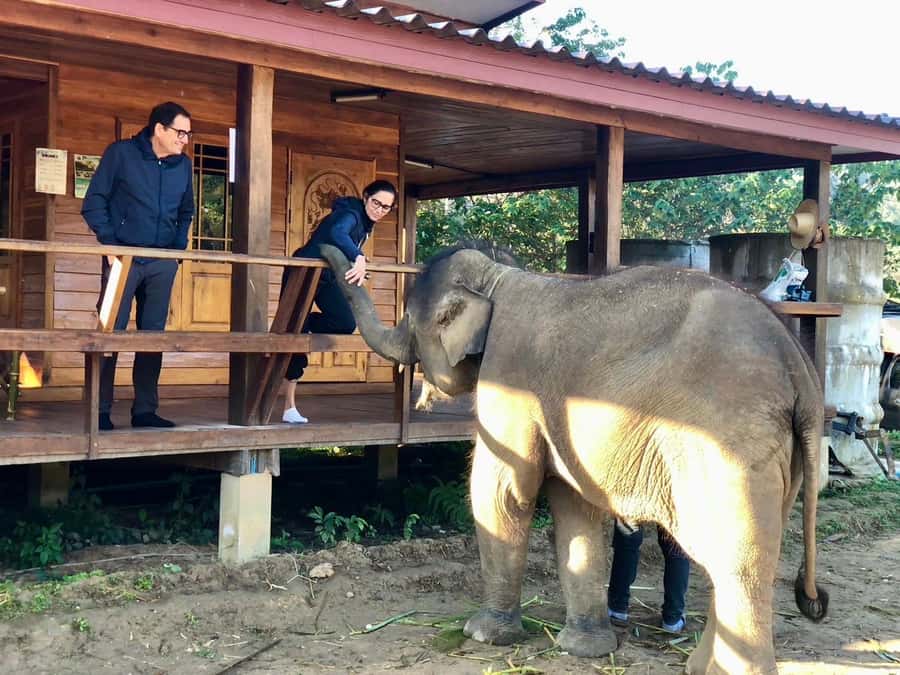
The second day starts with breakfast and views of the surrounding forest and waterfall. The morning setting is one of the strongest reasons to choose the overnight version instead of a standard day trip.
You then continue toward a Karen village and the elephant camp. The village visit adds cultural context, but the supplied details do not promise a long formal tour or a specific set of demonstrations. Treat it as one part of the wider rural experience rather than the main event.
The Karen guide is central to the walking portion. You are not simply being driven to a photo stop. The guide explains local plants, birds, jungle life, and the importance of caring for elephants. English is the tour language, but communication may sometimes rely on gestures and simple explanations. That can be part of the charm, though people who need detailed interpretation should keep their expectations realistic.
Feeding, mud, and bathing elephants
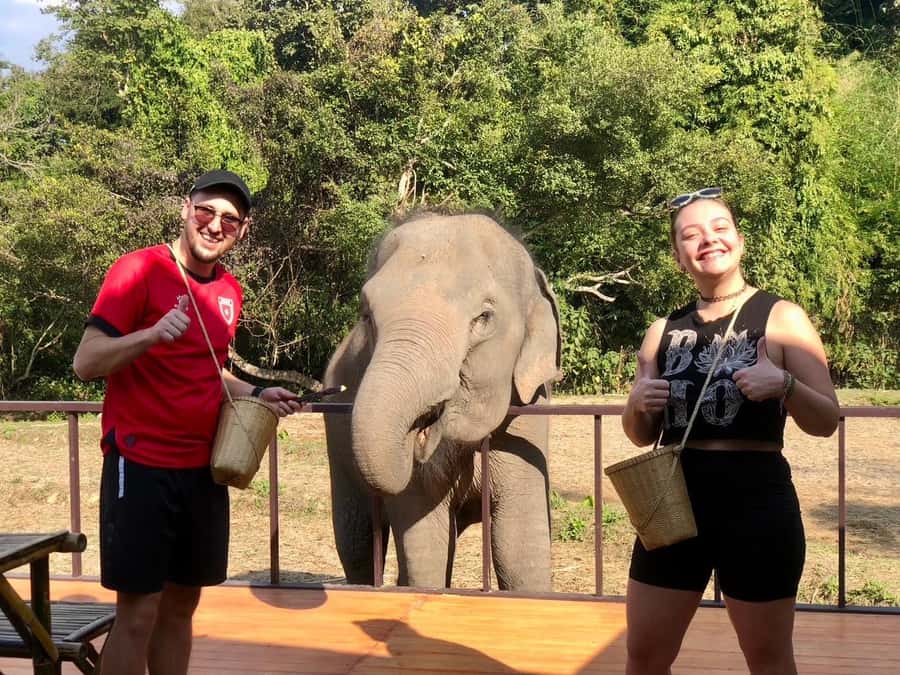
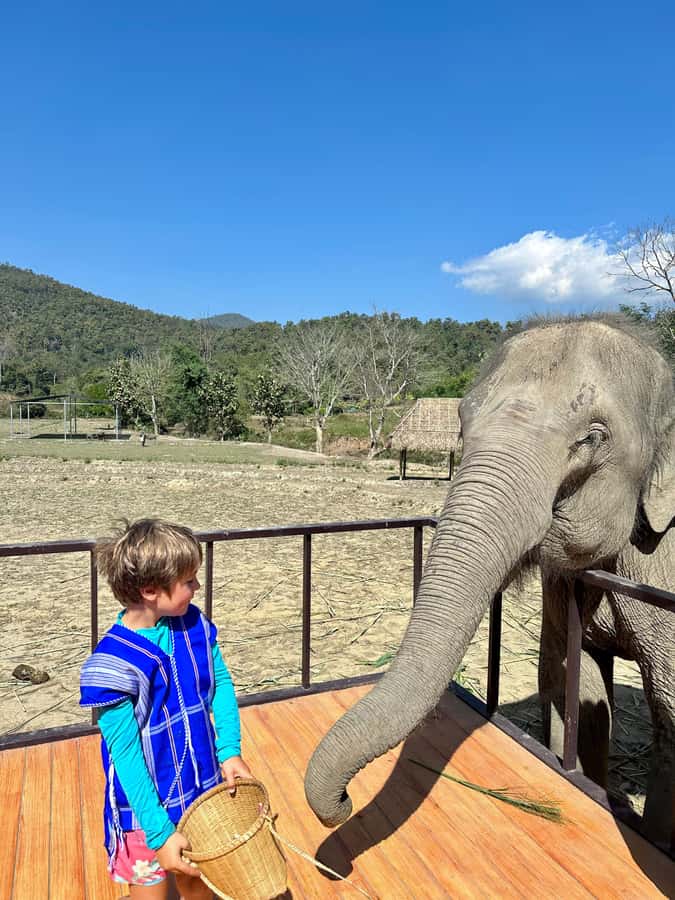
The elephant camp is the emotional center of the trip. You feed the elephants, observe them, play with them in mud, and wash them in a river.
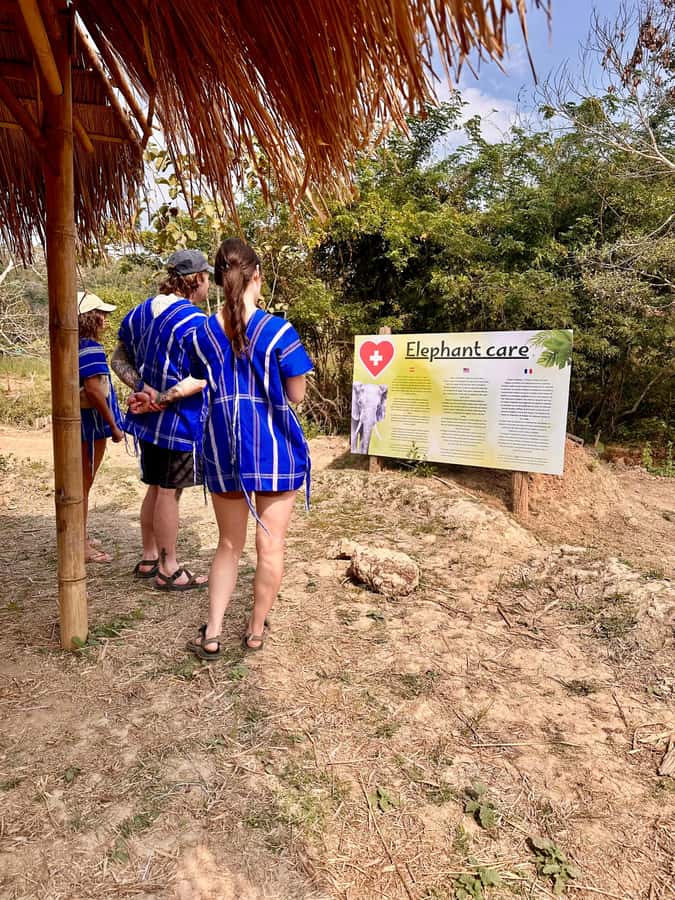
The activity is presented around care rather than riding. That distinction matters. You spend time learning about food, hygiene, bathing, and the animals’ daily routine. The river session shows how elephants use water to clean themselves, cool down, splash, play, and interact with one another.
The mud activity can be messy. You should wear clothes and footwear that you do not mind getting dirty. This is not an experience for someone who wants to remain dry and clean from start to finish.
The elephant setting is also not a quick photo line. You have time to watch the animals interact and to see the practical side of their care. The trip information describes the elephants as being observed in a natural habitat, while the camp provides direct feeding and bathing activities.
I would still advise you to pay attention to the guide’s instructions. Elephants are large, intelligent animals, and the right way to interact with them matters. The best part of this visit is not getting as close as possible. It is seeing how the animals respond to food, water, mud, and one another.
More walking and a second waterfall stop
After the elephant session, the route continues through the forest. You stop at another river and waterfall, where the elephants bathe, and later make more waterfall stops for rest and food.
The repeated water stops shape the trip. You are not walking continuously for hours without a break, but you are still covering ground on uneven jungle paths. The swimming opportunities are appealing in hot weather, though you should bring suitable clothing and be ready for simple changing arrangements.
The combination of trekking and waterfall stops also means your comfort depends heavily on footwear. Use shoes with a secure grip and clothes that dry reasonably well. The information provided does not specify a packing list, so basic outdoor preparation is wise.
By the end, you return to your Chiang Mai hotel with the transport provided. The exact arrival time is not stated, so keep your evening flexible.
Meals, rooms, and what to pack
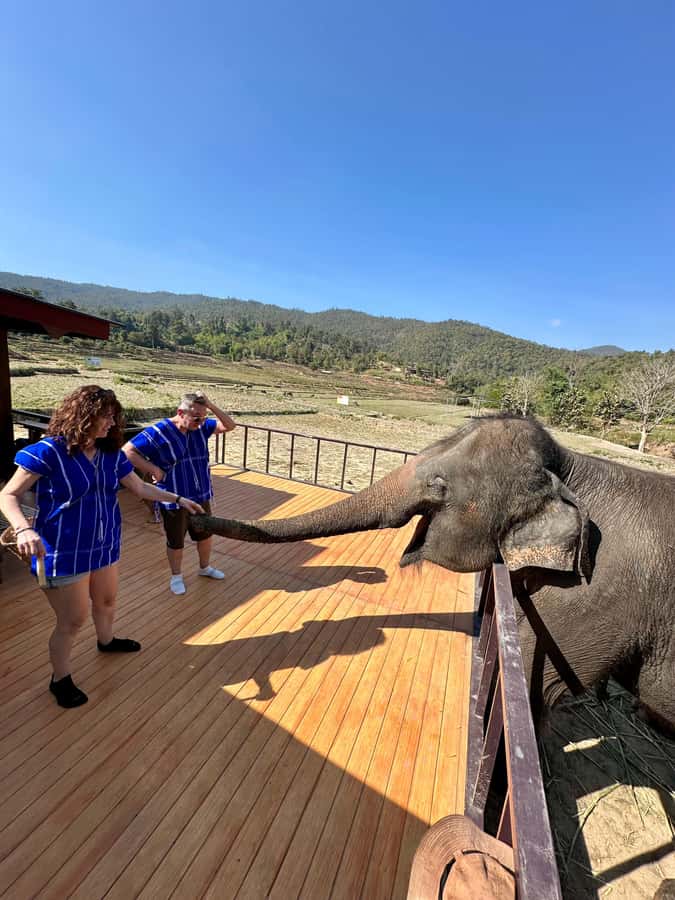
The package includes one dinner, one breakfast, and one or two lunches. The wording allows for some variation in how meals fall across the two days, so confirm the final meal schedule when booking.
Drinks are not included. Carry enough cash for water and other beverages, since you should not assume every jungle stop will accept cards.
The overnight room is more comfortable than a basic camp shelter. You get air conditioning, towels, a television, fridge, tea and coffee kettle, and an en-suite bathroom. That makes the stay workable for people who want a real bed and private facilities but still want a forest setting.
I would pack:
- Closed shoes with good grip
- Swimwear and a towel
- A change of clothes for rafting, waterfalls, and elephant bathing
- Sun protection and insect protection
- A waterproof bag for phones and valuables
- Cash for drinks
- Clothes you do not mind covering with mud
The practical warning is simple: you will probably get wet or dirty. One participant specifically felt the trip was better suited to adventurers than to people who place a high value on spotless conditions.
Who should choose this two-day adventure
I would recommend it to active visitors who want more than an elephant photo and a short city excursion. You get a broad sample of the region in two days, with enough time for the jungle setting to feel real.
It suits couples, small groups of friends, and solo visitors who like joining a compact group. The guide-led format also helps if you do not want to arrange rural transport, meals, accommodation, rafting, and an elephant visit on your own.
This is not suitable for children under five, babies under one, pregnant women, wheelchair users, people with heart problems, or people with a low level of fitness. The stated age guidance also says it is not suitable for people over 70, despite a separate restriction mentioning people over 95. If age or health is a concern, ask the operator before paying.
The walking, swimming, rafting, mud, and uneven ground make fitness more important than the short two-day length suggests. You do not need to be a serious hiker, but you should be comfortable with active outdoor days.
Should you book it?
Book this trip if you want elephants, waterfalls, rafting, and a jungle overnight stay in one small-group package. The strongest reasons are the waterfall accommodation, the friendly local guiding, and the time spent feeding and bathing elephants rather than making a brief stop.
Think twice if you dislike mud, basic rural conditions, limited English explanations, or an itinerary that may run beyond a strict timetable. The trip is active and earthy, not polished.
For the $173 price, I see solid value if you will use every part of the package. You get two days of transport, meals, a room, rafting, trekking, a Karen village visit, and elephant care. For the right kind of visitor, it offers a fuller connection to Chiang Mai Province than a quick half-day attraction.
FAQ
How long is the tour?
The experience lasts two days.
What time is hotel pickup?
Pickup is scheduled for 8:30 am. You should wait in your hotel lobby from 10 minutes before the scheduled time.
Is hotel pickup included?
Yes. Pickup is available from any hotel in Chiang Mai. Look for a gray minibus from Temple of Elephants.
How many people are in the group?
The group is limited to 12 participants.
What language does the guide speak?
The live tour guide language is English. The local guides may have limited English, and communication can sometimes involve gestures.
Is bamboo rafting included?
Yes. Bamboo rafting on the Mae Wang River is included and lasts about 30 minutes.
What meals are included?
The package includes one dinner, one breakfast, and one or two lunches. Drinks are not included.
Where do you sleep?
You stay in a local house in the jungle beside a river and waterfall. The room has air conditioning, towels, television, fridge, kettle, and an en-suite bathroom.
Can children join the tour?
Children under five are not allowed to join. Babies under one are also excluded.
Is the tour suitable for people with limited mobility?
No. It is not suitable for wheelchair users or people with a low level of fitness. Pregnant women and people with heart problems should not join.
More Two-Day Trips in Chiang Mai
- Monkey Business 2 days – 1 night Jungle Trekking (including rafting)
★ 5.0 · 121 reviews - Durango Colorado – Rafting 1/2 Day
★ 5.0 · 114 reviews - 2-Day Jungle Trekking & Rafting in North Sumatra
★ 5.0 · 92 reviews - 1/2 Day Whitewater Rafting Trip near Boise, ID
★ 5.0 · 58 reviews
More Rafting and Elephant Sanctuary Days in Chiang Mai
- Chiang Mai: 2-Day Jungle Trek with Elephant Farm & Raft Ride
★ 4.7 · 881 reviews - Chiang Mai: Elephant Sanctuary Bamboo Raft & Padthai Cooking
★ 4.8 · 245 reviews - Ethical Elephant Visit and White Water Rafting in Chiang Mai
★ 5.0 · 73 reviews - Chiang Mai: National Elephant Care, Rafting, & Ziplines Trip
★ 4.8 · 48 reviews
Just added around Chiang Mai
- Elephant Habitat Park Feeding Entry & Rafting Van Transfer★ 4.8 · 28 reviews
- Chiang Mai: One Day ATV Tour & WhiteWater Rafting with Lunch★ 4.9 · 5 reviews
- Chiang Mai: National Elephant Care, Rafting, & Ziplines Trip★ 4.8 · 48 reviews
- Chiang Mai Rafting in Mae Taeng River with Thai Buffet★ 4.8 · 47 reviews
- Chiang Mai Water Rafting Adventure with Optional ATV Ride★ 3.7 · 5 reviews
- Chiang Mai: Jungle Trek, Elephants care & Bamboo Rafting★ 4.5 · 8 reviews
- Chiang Mai: Elephants, Waterfall, and White Water Rafting★ 5.0 · 3 reviews
- Chiang Mai: ATV Adventure 2-Hrs,Feeding,Rafting & Lunch Trip★ 5.0 · 8 reviews
Rafting and Waterfall Days, compared.
Elephant Sanctuary, Waterfall & Bamboo Rafting
Read our review →
Chiang Mai Elephant Sanctuary, Bamboo Rafting and Waterfall Tour
Read our review →
Khaolak: Bamboo Rafting, Waterfalls, and Turtle Conservation
Read our review →
Bali ATV Quad Bike Through Tunnel, Waterfall, White Water Rafting
Read our review →
Kaituna River and Tutea Falls Whitewater Rafting
Read our review →
Clearwater, BC, Rafting, Finish in Canadas waterfall capital!
Read our review →
Zambezi River Class IV-V White-Water Rafting from Victoria Falls
Read our review →