
Review · WHITE WATER RAFTING
Middle Ocoee River Whitewater Rafting Trip – Most Popular
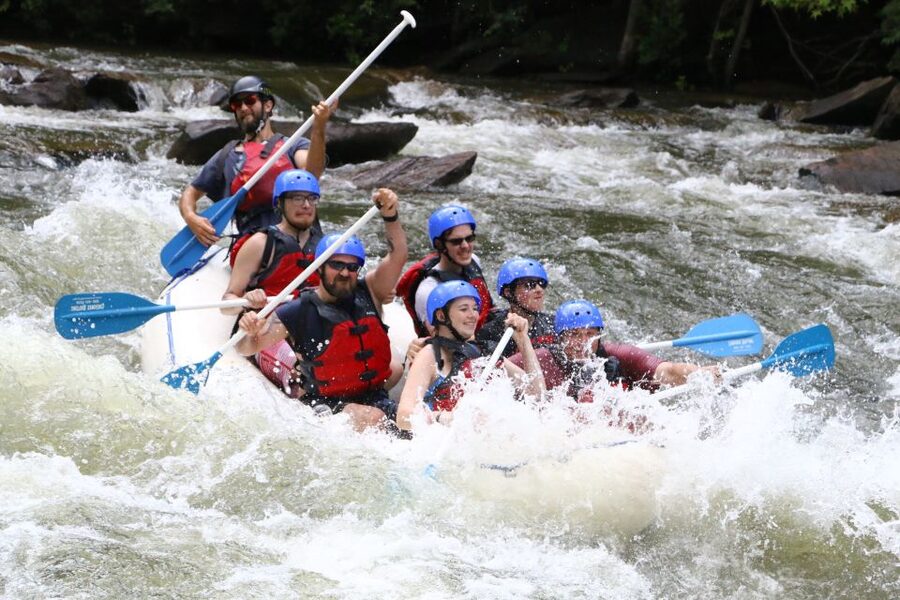
The Middle Ocoee is a compact burst of river action: five miles packed with about 20 class III and IV rapids, followed by a swim stop when you need a breather. You meet at Cherokee Rafting Center, ride to the launch below Ocoee Dam Number 2, and let your guide call the strokes while your raft team works together.
I like the strong mix of excitement and structure here. You get real whitewater, not a gentle float, but an English-speaking guide and supplied helmet, paddle, and life vest keep the experience organized. I also like the half-river swim break, which gives you a quiet pause before the next round of rapids. The main drawback is simple: this is physical and wet, and the trip is not suitable for children under 12, pregnant women, people with mobility impairments, or people with heart problems.
Key points at a glance
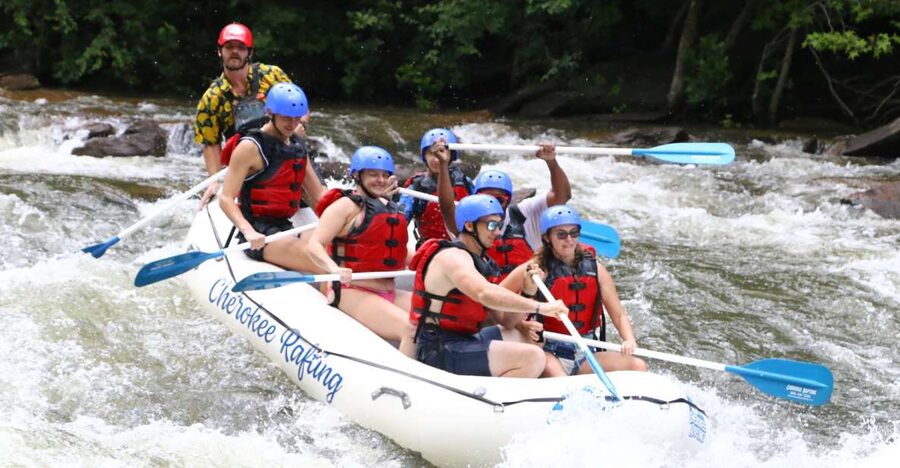
- Five-mile Middle Ocoee run: A classic section of river with continuous action rather than long stretches of flat water.
- Named rapids: Grumpys, Broken Nose, Roller Coaster, Table Saw, Hell’s Hole, and other class III and IV drops give the trip a clear sense of progression.
- Guide-led teamwork: Your guide directs the raft while you paddle with the rest of your crew.
- Midway swimming stop: The break adds a calm, refreshing pause to a high-energy outing.
- Simple $55 package: Transport to the launch, life vest, paddle, helmet, and river guide are included.
- Three-hour schedule: Morning and afternoon departures make it easy to fit into a day in southeastern Tennessee.
Why the Middle Ocoee packs so much action into three hours
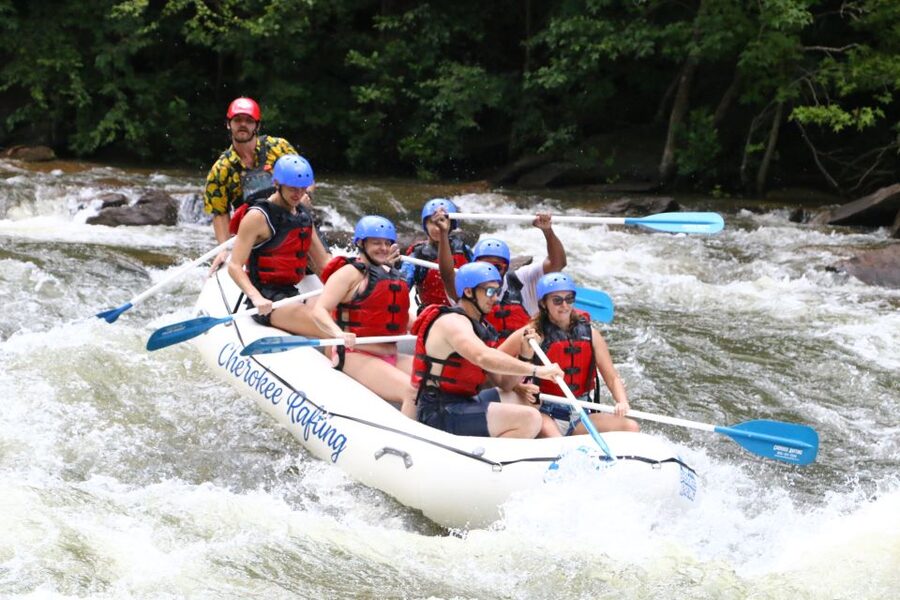
The Middle Ocoee is a good choice if you want the heart of a rafting trip without giving up an entire day. The advertised run covers about five miles, and the rapids come in a steady sequence. You are not spending most of the outing waiting around for the next exciting section.
That pace matters. Class III and IV whitewater can feel demanding, especially if this is your first serious rafting trip. The short duration keeps the experience focused, but it also means you should arrive ready to listen, paddle, and stay engaged from the start.
The trip is built around teamwork. Your guide handles the river knowledge and gives instructions, but everyone in the boat has a job. You will paddle when told, shift your effort as the current changes, and help keep the raft moving in the right direction. That shared work is a big part of the fun. You are not just sitting in a boat while someone else provides the entertainment.
The Ocoee also gives you a changing mix of sensations. Rapids bring noise, spray, and quick decisions. Between those sections, you get views of the surrounding Tennessee countryside and a chance to reset before the next challenge. It is an active outing, but not one long, featureless rush.
More White Water Rafting in the USA
- Half Day Whitewater Rafting Trip
★ 5.0 · 1,840 reviews - Half-Day Whitewater Rafting in Browns Canyon
★ 5.0 · 999 reviews - Whitewater Rafting in Jackson Hole : Family Standard Raft
★ 5.0 · 965 reviews
Meeting at Cherokee Rafting Center
Your day starts at Cherokee Rafting Center, the stated meeting point for the trip. From there, transportation takes you to the river access point below Ocoee Dam Number 2.
That transfer is useful for two reasons. First, you do not need to arrange your own ride to the start of the five-mile run. Second, it separates the meeting and preparation area from the actual launch point, so you can arrive, get organized, and follow the rafting company’s instructions before heading to the water.
The available schedule usually includes morning and afternoon departures. A morning trip may work best if you want the rest of the day free, while an afternoon trip can fit neatly around other plans in the area. The supplied rating information includes a June morning outing praised for its good weather and strong guide, Ben. That does not guarantee conditions on your date, but it is a useful reminder that start time can shape the feel of the day.
Allow enough time to arrive ready rather than rushing in at the last moment. Bring swimwear and water shoes. You will get wet, and secure footwear is more practical than anything loose or delicate.
Getting ready with the right river gear
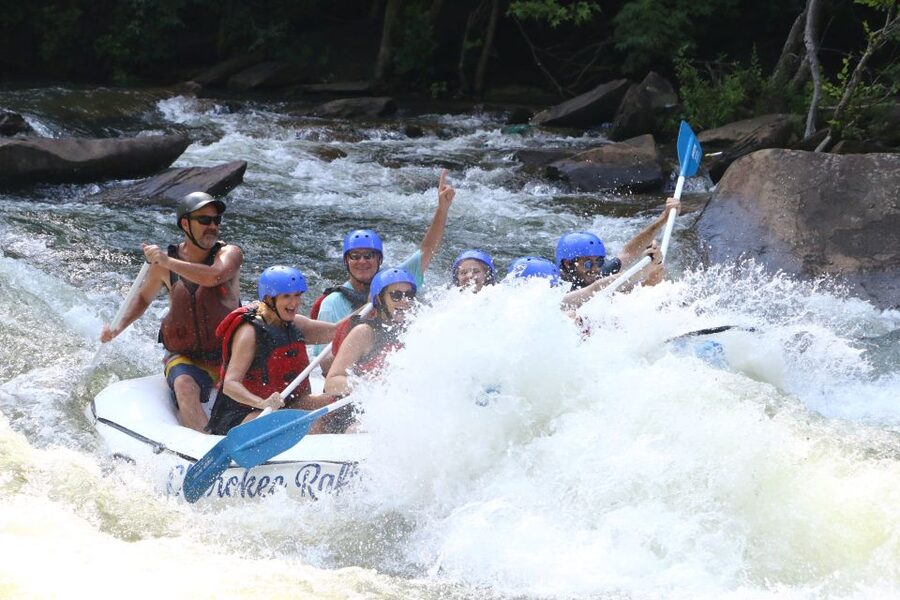
Before launching, you receive the basic gear needed for the trip: a life vest, paddle, and helmet. A river guide joins you as well.
The equipment list is short, but it covers the essentials stated for this outing. Your life vest is important in moving water, while the helmet protects your head around rocks and the raft. The paddle is your tool for keeping the boat moving and responding to the guide’s commands.
Your swimwear choice matters more than it might on a normal sightseeing trip. Choose something comfortable that stays in place during vigorous paddling and repeated splashing. Water shoes are specifically requested, so pack footwear made for wet conditions. The practical goal is to keep your attention on the river instead of worrying about what you are wearing.
The guide’s role is especially important on a run with this many rapids. Guides named by past participants include Ben and Sydney. Ben was praised for being funny and well informed, while Sydney received thanks for making the outing enjoyable. Guide assignments can change, but these comments point to the kind of presence that helps on the river: clear direction, a calm manner, and enough humor to keep the boat relaxed between commands.
Grumpys is your first taste of the river
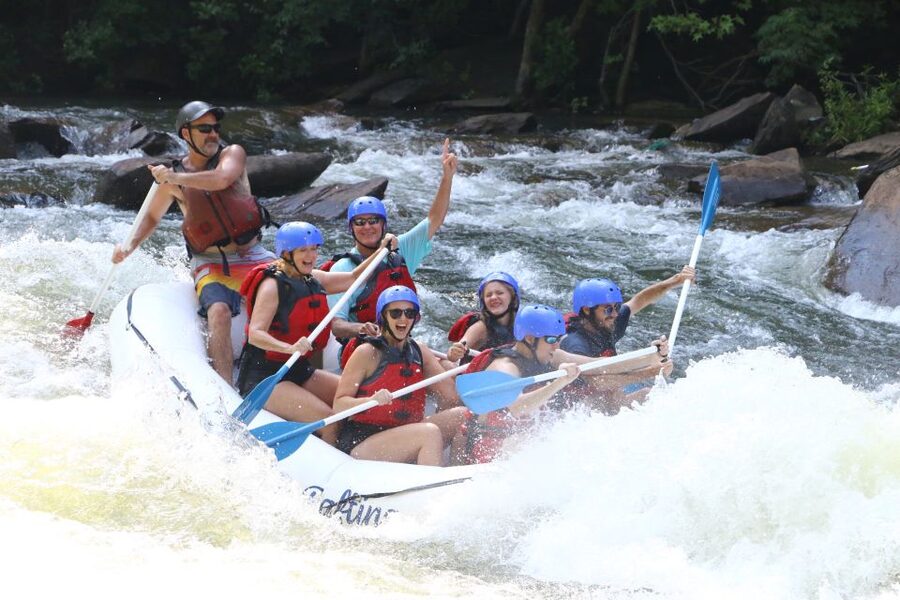
The first named rapid is Grumpys. It gives the trip an early test and introduces the basic rhythm of the boat.
Expect your guide to set the pace and tell you when to paddle. Your job is not to memorize the river or guess what comes next. Listen closely, keep your paddle ready, and follow the instructions from the person steering the raft.
An early rapid also helps your crew find its timing. A raft full of people who paddle together moves differently from one where everyone works at a different pace. That is why the first section is more than a warm-up. It teaches you how the group functions before the larger sequence of rapids arrives.
If you have never rafted before, this is the point where the experience becomes real. The water is active, the raft responds quickly, and the guide may use short commands. Pay attention, and do not let the excitement make you tune out the instructions.
Same rivers, a different sort of day out:
- Upper Pigeon River Rafting Trip from Hartford
★ 5.0 · 1,444 reviews - Durango Half Day Rafting Trip – Lower Animas River
★ 5.0 · 942 reviews - Half Day Browns Canyon Rafting Adventure
★ 5.0 · 903 reviews - Browns Canyon Full Day Rafting Adventure
★ 5.0 · 825 reviews
Broken Nose, Roller Coaster, and Table Saw
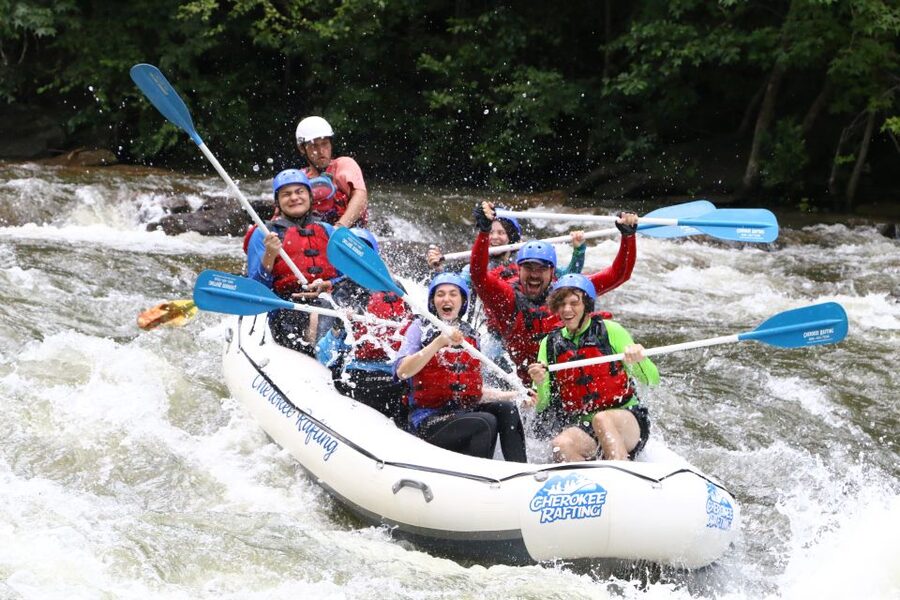
After Grumpys, the named rapids continue with Broken Nose, Roller Coaster, and Table Saw. These names add character, but the important point is the sequence: you move from one class III or IV section to another with little sense of a long pause.
Broken Nose and Roller Coaster suggest the kind of changing motion you should expect, with the raft responding to the river rather than traveling in a straight, smooth line. Table Saw adds another recognizable point in the run. Your guide knows how to approach each section and will direct your crew through it.
For you, the best strategy is steady effort. Paddle when asked, keep your body balanced, and stay alert after one rapid has finished. The next instruction may come quickly. This is also where the trip’s physical side becomes clear. Even a short outing can feel demanding when you are repeatedly paddling, bracing, and reacting to moving water.
The reward is that the river keeps giving you something to do. You are not waiting for a single main event. The full Middle Ocoee section is the event.
Hell’s Hole and the main whitewater sequence
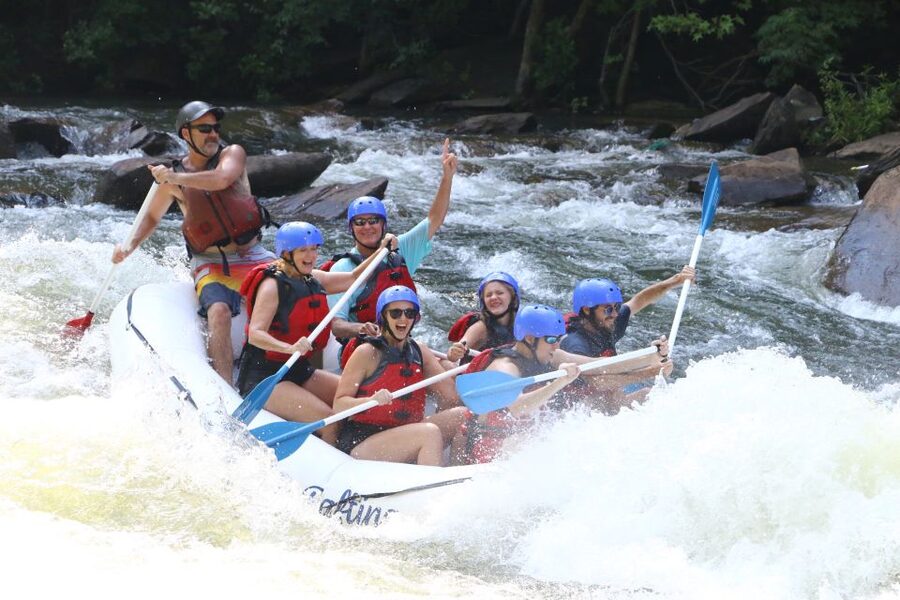
Hell’s Hole is another named rapid on the route, included among the wet and wild sections you tackle with your crew. By this point, you should have a better feel for the boat and your guide’s commands.
Class III and IV ratings indicate that this is not a beginner sightseeing float. The trip is described as suitable for beginners or experienced rafters, but that should be read in context. A first-timer can join because the guide provides direction and the raft works as a team. Still, you need a reasonable level of physical comfort with water, paddling, and sudden movement.
Experienced rafters may appreciate the uninterrupted run and the chance to focus on technique. First-time rafters may enjoy the sense of progress as they become more comfortable with the boat. Either way, the guide is central to the experience. You are not expected to handle the river alone, but you are expected to participate.
The best part of this section is the combination of challenge and shared effort. When the raft clears a rapid, everyone has contributed. That gives the outing a more satisfying feel than an attraction where you simply watch the action happen around you.
A swimming stop breaks up the intensity
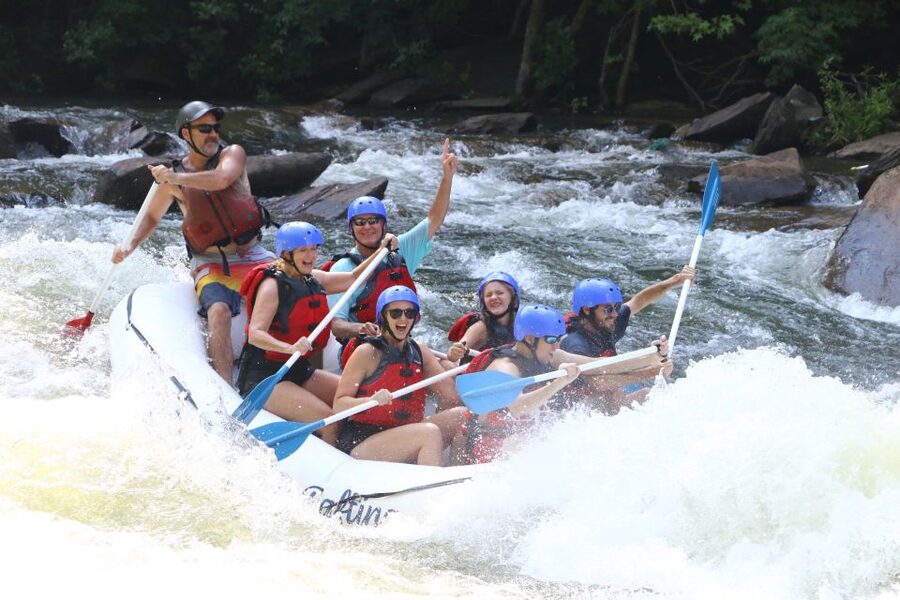
About halfway down the river, the raft stops at a calm swimming location. This is a smart part of the route because a continuous series of rapids can be tiring, especially for first-time rafters.
The swim stop gives you a chance to cool off, catch your breath, and enjoy the water at a slower pace. It also changes the mood of the trip. Instead of concentrating on paddle commands and rapid entry, you can take in the quieter surroundings before returning to the raft.
Do not treat the break as proof that the rest of the trip is easy. It is a pause inside an active outing, not the end of the physical work. Once you return to the raft, you still have the second half of the Middle Ocoee to complete.
I like this stop because it keeps the three-hour schedule from feeling like one unbroken workout. It adds variety without taking you away from the river experience.
Completing the five-mile run
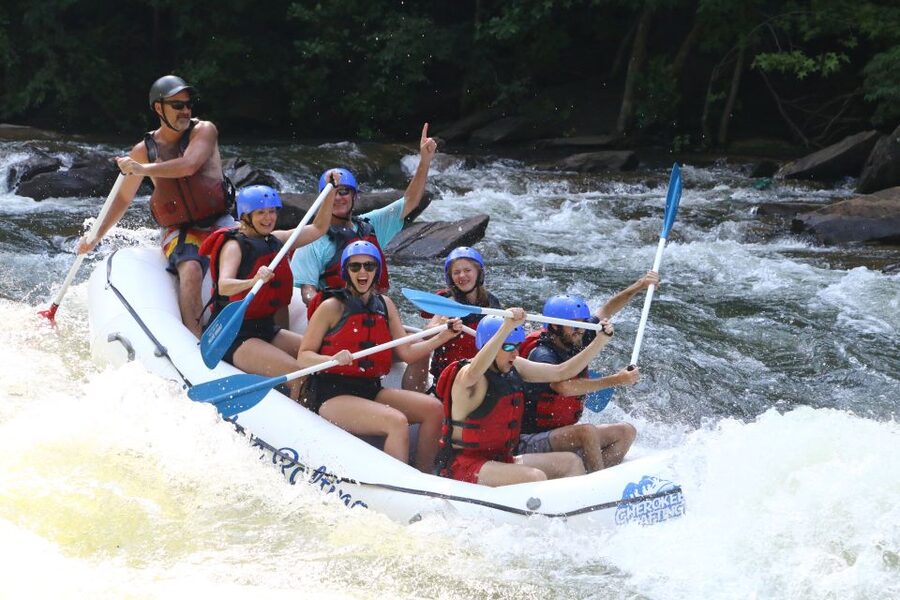
After the swim, you climb back into the raft and continue downriver. The remaining rapids complete the classic Middle Ocoee route, with your guide still directing the boat and your crew still working together.
This final stretch can feel different from the opening section because you now understand the basic rhythm. You know how quickly the raft responds, how commands sound, and how much effort it takes to paddle in sync. That makes the later rapids easier to appreciate, even if they remain physically demanding.
The surrounding views are another reason to stay alert between rapids. You are there for whitewater, but the trip also gives you a look at the Tennessee setting around the river. Do not expect a slow sightseeing cruise, since the water keeps your attention. Still, the calmer moments offer enough space to look around.
At the end of the run, the three-hour experience has delivered a focused taste of the Ocoee rather than a full-day program. That makes it practical for a short visit or for a day when you have other plans.
Is $55 good value for this Ocoee trip?
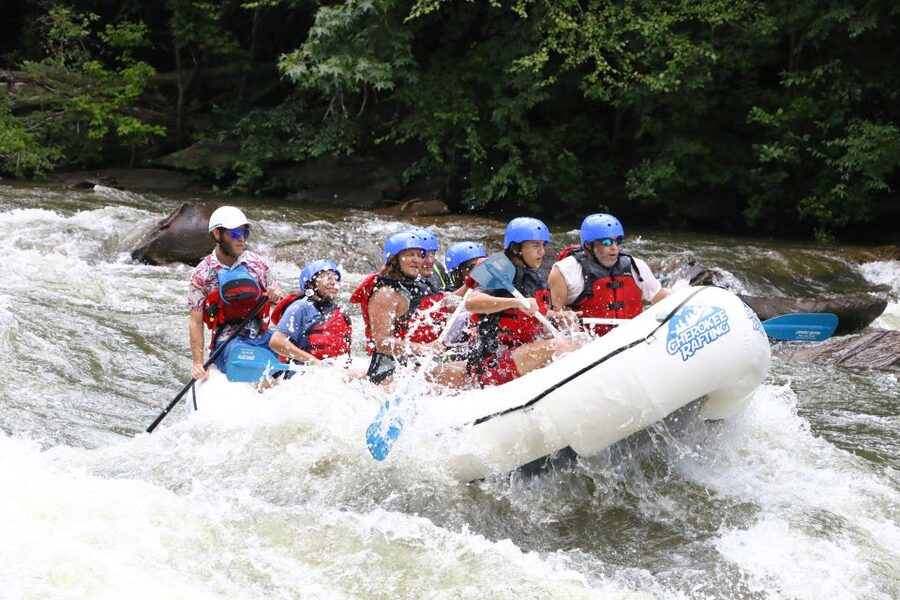
At $55 per person, this trip offers solid value for an active half-day experience. The price includes transportation from Cherokee Rafting Center to the launch point, a river guide, life vest, paddle, and helmet. You are also paying for access to a guided five-mile run with a long sequence of named class III and IV rapids.
The included transport is worth noting. You do not need to solve the logistics of reaching the river start yourself, and the guide is part of the price rather than an add-on. For someone comparing rafting options, those inclusions make the cost easier to assess.
The trip is not the best value if you want a quiet float, a private boat, or a long riverside meal. Those are not part of this outing. It is built around whitewater action, teamwork, and a swimming break.
There is also a flexible booking benefit: you can reserve now and pay later, and cancellation is free up to 24 hours before the activity for a full refund. That helps if your Tennessee plans may shift, though you should still check the final booking terms when selecting your date.
Who should book this rafting trip?
I would point this trip toward adults and older children who want a real whitewater challenge with a guide leading the way. The minimum age is 12, and the class III and IV rapids make it a better fit for people who are comfortable with physical activity and getting wet.
It also suits mixed-experience groups. An experienced rafter can enjoy the river’s steady pace, while a first-timer can learn under an English-speaking guide. The crew format means you do not need to arrive with a boat full of expert paddlers.
You should think twice if you have a heart problem, are pregnant, have a mobility impairment, or simply dislike cold water and strenuous activity. Those restrictions are not minor footnotes. The trip asks you to paddle and respond in a moving raft, so choosing an easier activity would be wiser if any of those concerns apply.
Final call: a lively, well-priced Middle Ocoee outing
Book this trip if you want three hours of concentrated Ocoee River action, a guide-led raft, and a price that includes the key equipment and launch transport. The sequence of Grumpys, Broken Nose, Roller Coaster, Table Saw, Hell’s Hole, and other rapids gives the day a clear sense of purpose, while the swim stop keeps it from becoming one long physical push.
Skip it if you want a gentle float or need an outing with very little exertion. For everyone else, the Middle Ocoee offers a practical first taste of serious rafting without requiring a full day. Guides such as Ben and Sydney have helped make the experience personal and fun, but the river itself remains the main attraction.
FAQ
How long is the Middle Ocoee rafting trip?
The activity lasts three hours and covers a classic five-mile run on the Middle Ocoee River.
What class rapids will I encounter?
You will paddle through about 20 continuous class III and IV rapids, including Grumpys, Broken Nose, Roller Coaster, Table Saw, and Hell’s Hole.
Where do I meet for the rafting trip?
Meet at Cherokee Rafting Center. Transportation from the meeting point to the river launch below Ocoee Dam Number 2 is included.
What equipment is provided?
The trip includes a life vest, paddle, and helmet, along with a river guide and transportation to the start location.
What should I bring?
Bring swimwear and water shoes. You should expect to get wet during the rapids and the swimming stop.
Who cannot take part?
The trip is not suitable for children under 12, pregnant women, people with mobility impairments, or people with heart problems.
Just added around the USA
- Wilderness: Denali National Park Class I-III Rafting Tour★ 4.5 · 25 reviews
- Westwater Canyon: Colorado River Class 3-4 Rafting from Moab★ 4.8 · 22 reviews
- Valdez: Keystone Canyon Whitewater Rafting Trip★ 4.8 · 6 reviews
- New River Gorge Whitewater Rafting, WV – Lower New Full Day★ 5.0 · 18 reviews
- Half Day New River Gorge Whitewater Rafting★ 5.0 · 22 reviews
- Lower Gauley Fall Rafting Special in WV★ 5.0 · 32 reviews
- Fall Upper Gauley Full Day Whitewater Rafting★ 5.0 · 2 reviews
- Full Day Fall Lower Gauley Rafting in West Virginia★ 5.0 · 2 reviews
White Water Rafting, compared.
Rotorua Rafting: Kaituna River White Water Rafting & Free Sauna
Read our review →
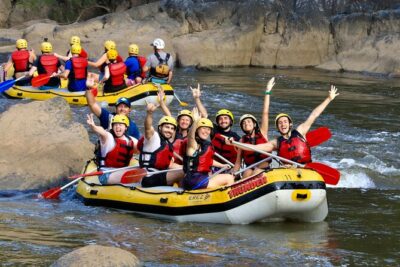
Barron Gorge White Water Rafting from Cairns or Port Douglas
Read our review →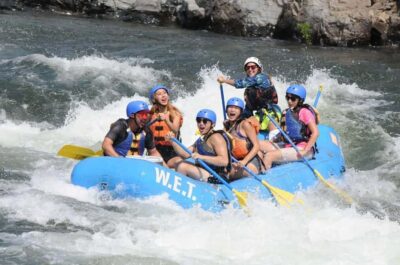
ATV Quad Bike & White Water Rafting Adventure
Read our review →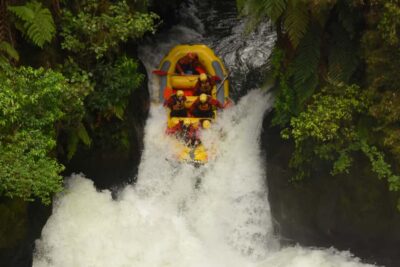
Rafting Rotorua: Kaituna River White Water Experience
Read our review →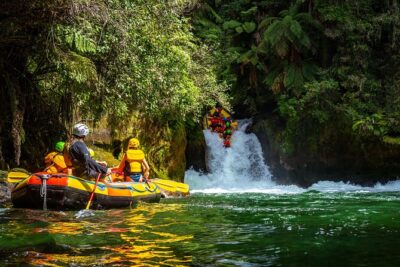
White Water Rafting – Kaituna Cascades, The Originals
Read our review →
Other lists this trip is on