
Review · WHITE WATER RAFTING
Matanuska Glacier Lions Head Whitewater Rafting
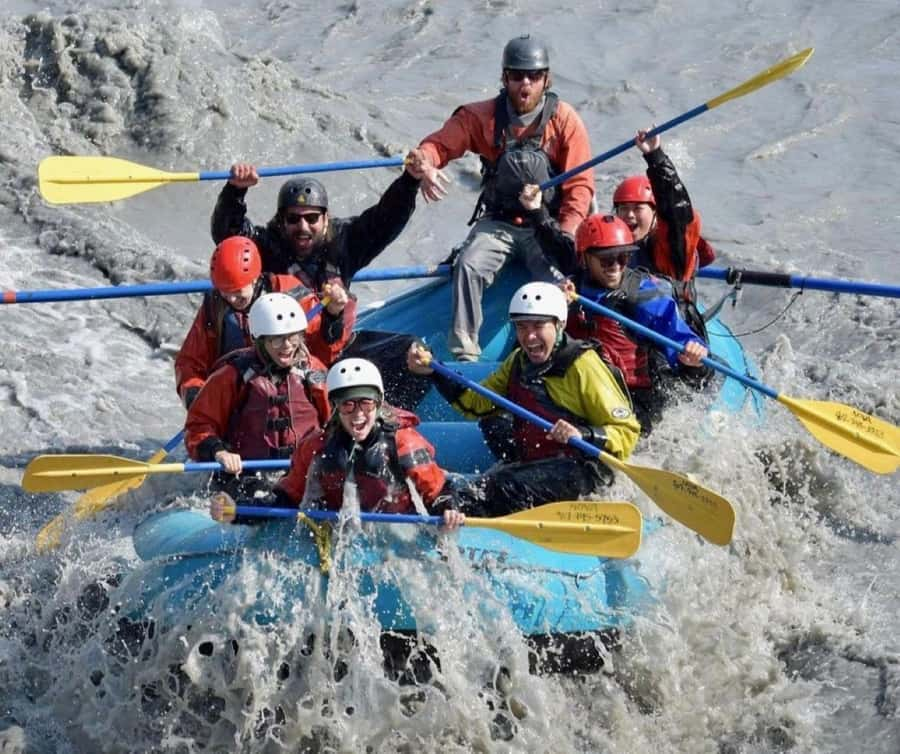
The Matanuska River does not ease you into Alaska for long. This three-hour rafting trip begins on a smaller creek, then reaches the glacial river’s crashing waves, Class III rapids, and Class IV boulder gardens. Above it all, Lions Head rises near the Matanuska Glacier, with the Chugach and Talkeetna ranges framing the route.
I like the smart progression from training water to bigger rapids, and I like that NOVA provides the full kit, including a dry suit, helmet, PFD, and water shoes. Guides Coffee and Newby have earned especially strong praise for their calm, professional handling of the river. The main drawback is that this is a physical trip with firm age, weight, and swimming requirements, not a casual scenic float.
Key points at a glance
- Caribou Creek starts the lesson: You get a lower-volume section before reaching the main river.
- Class III and IV whitewater delivers the thrills: Expect crashing waves, strong current, and boulder gardens.
- Lions Head adds a memorable landmark: The volcanic plug rises above the Matanuska Glacier.
- Full river clothing is provided: NOVA supplies a PFD, helmet, water shoes, and full dry suit.
- The trip runs in most weather: Bring warm clothing, since Alaska can be wet and cold even in summer.
- The practical limits matter: You must swim, get into and out of the raft independently, and manage physical exertion.
Why the Lions Head section is special
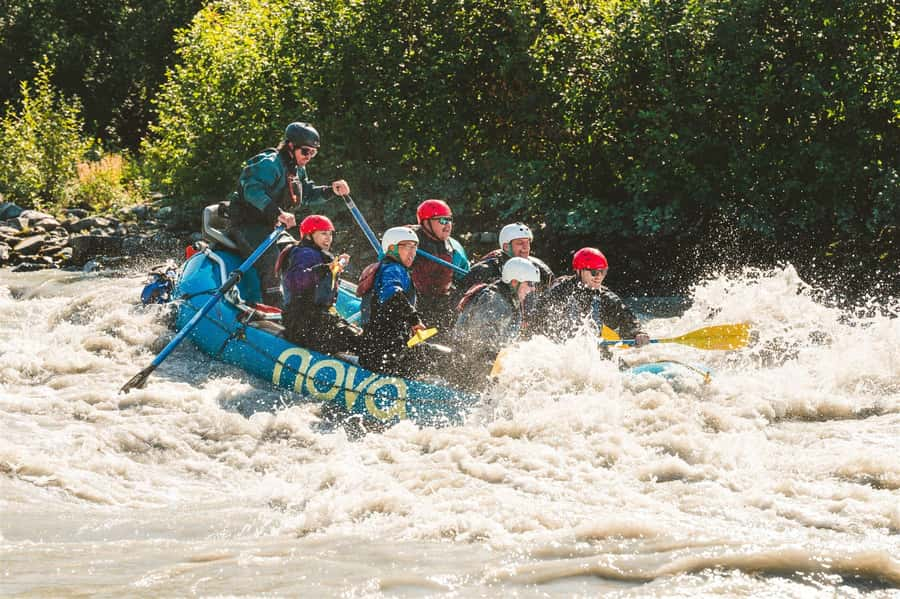
NOVA’s Lions Head trip has been running since 1975, making it the company’s original river outing. That long record matters here because a powerful glacial river rewards careful preparation, clear instructions, and guides who know how to read changing water.
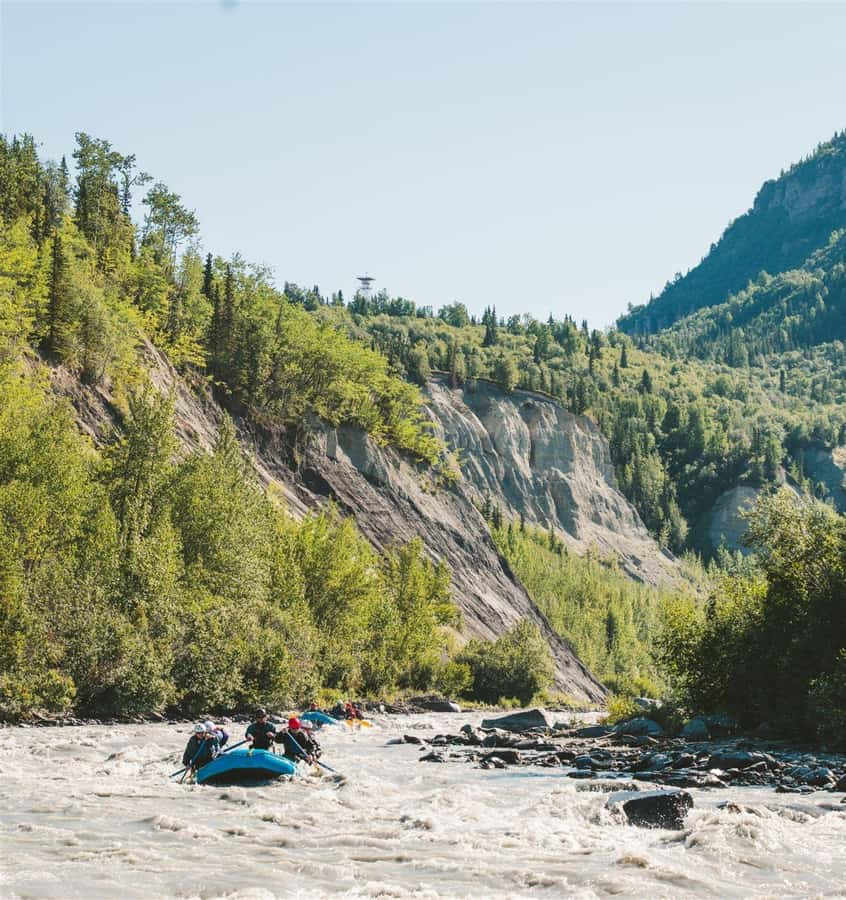
The route runs through a particularly striking part of south-central Alaska. The Matanuska River cuts between the jagged Chugach Mountains and the older Talkeetna range. The Matanuska Glacier is visible along the way, while the huge volcanic plug called Lions Head gives the trip its name and its clearest visual marker.
This is not a quiet paddle with a few mild bumps. The river carries substantial glacial flow, so you feel the strength of the water as much as you see it. The trip’s appeal comes from that combination: an exciting ride and a setting that could only be Alaska.
More White Water Rafting in the USA
- Half Day Whitewater Rafting Trip
★ 5.0 · 1,840 reviews - Half-Day Whitewater Rafting in Browns Canyon
★ 5.0 · 999 reviews - Whitewater Rafting in Jackson Hole : Family Standard Raft
★ 5.0 · 965 reviews
Meeting at NOVA’s Glenn Highway camp
The trip begins at NOVA Alaska Guides at Mile 96.5 on the Glenn Highway. At Hick’s Creek bridge, turn onto Trailhead Road, follow the driveway under the bridge, and continue to the camp.
The drive to the meeting point is part of the setting. This section of the Glenn Highway is a National Scenic Byway, with wide views toward the surrounding mountains. If you are coming from Anchorage, allow about two hours to reach the river area. Transportation from Anchorage is not included, so you need your own vehicle or a separate transport plan.
At the camp, you prepare for the river and meet the guide team. Coffee and Newby were singled out for being highly capable and professional, which is exactly what you want before entering fast water. The guide’s job is not simply to steer. You will need clear paddling commands, a safety briefing, and help understanding how to move with the raft.
NOVA has operated this river for 50 years, and the outfitting reflects that experience. The trip includes a PFD, river helmet, pair of water shoes, and full dry suit. You still need to bring warm clothing, but you do not need to assemble a personal whitewater wardrobe.
The 15-minute shuttle and river preparation
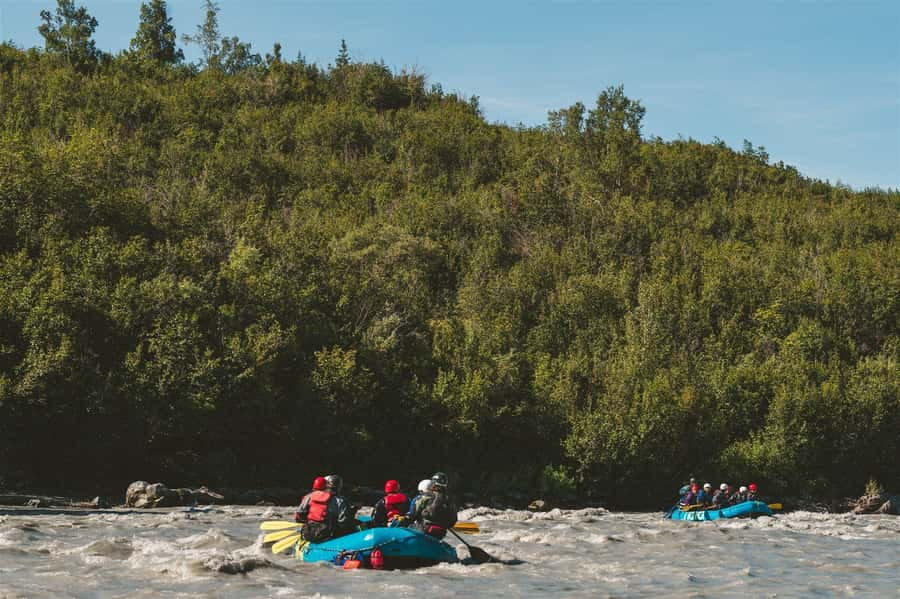
A shuttle takes about 15 minutes from the camp to the rafting start. This short transfer keeps the trip focused. You arrive at the water, receive your final instructions, and begin the river portion without spending much of the three-hour schedule in transit.
The supplied dry suit is important. Glacial water is cold, and the suit gives you a layer of protection from spray and sudden immersion. It does not remove the need for warm clothes underneath, so wear suitable layers rather than relying on the suit alone.
You also need to be honest about your physical ability. NOVA requires you to swim and to get in and out of the raft without assistance. The route involves exertion, paddling, bracing, and responding to instructions. If you have heart problems, this is not an appropriate choice. The activity is also listed as unsuitable for people over 65, under 99 pounds, or over 250 pounds.
Those rules may feel strict, but they reflect the demands of the river. Class IV water is not the place to discover that you cannot manage a climb into a raft or remain calm in cold water.
Caribou Creek gives you a useful warm-up
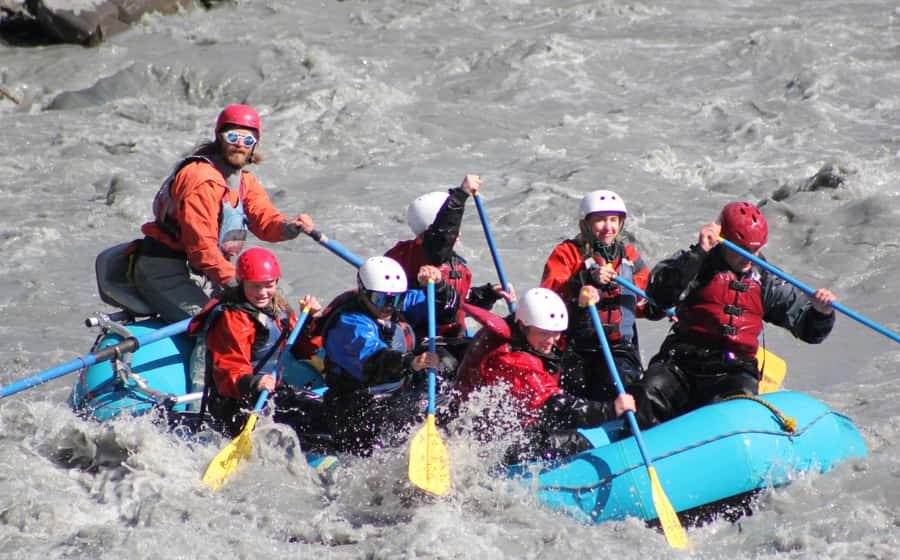
The first water is Caribou Creek, a lower-volume tributary. This section acts as a training ground before the raft reaches the larger flow of the South Fork.
That design is one of the trip’s strengths. You get a chance to settle into the boat, listen to the guide, and practice the rhythm of a group paddle before the river becomes more forceful. First-timers can learn the basics without being dropped immediately into the biggest rapids.
The creek does not turn this into a gentle outing. It simply gives you a more manageable start. Pay attention here. The guide’s instructions and your group’s timing become more important once Caribou Creek joins the glacial water.
Same rivers, a different sort of day out:
- Upper Pigeon River Rafting Trip from Hartford
★ 5.0 · 1,444 reviews - Durango Half Day Rafting Trip – Lower Animas River
★ 5.0 · 942 reviews - Half Day Browns Canyon Rafting Adventure
★ 5.0 · 903 reviews - Browns Canyon Full Day Rafting Adventure
★ 5.0 · 825 reviews
The South Fork brings the main rush
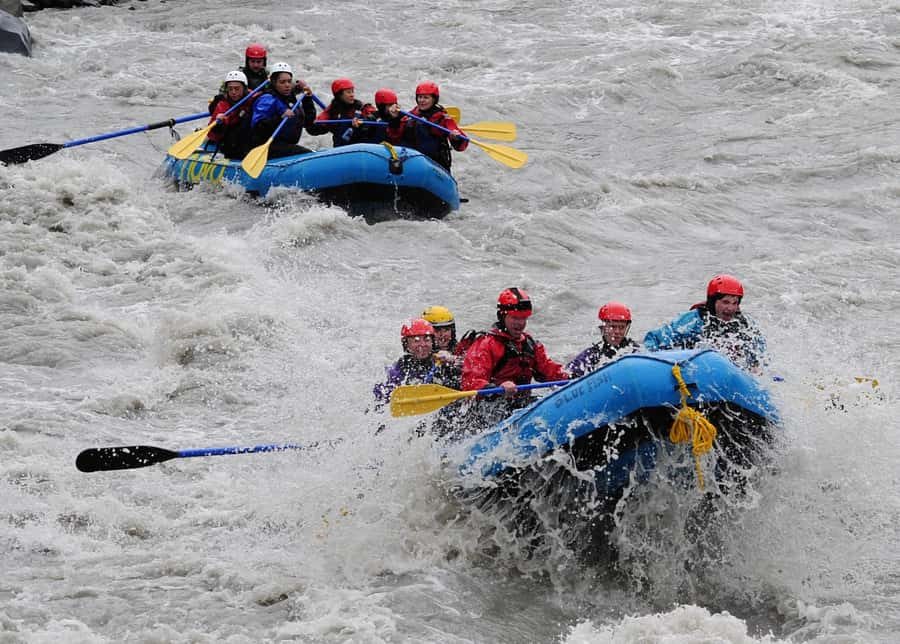
After the creek merges with the South Fork, the character of the trip changes. The water volume grows, the current gains power, and the route becomes a Class III and IV whitewater run.
Class III rapids can bring strong waves, fast movement, and plenty of boat action. Class IV rapids add more technical passages and larger obstacles. On this section, NOVA describes crashing waves and boulder gardens, so you should expect a ride that demands active participation rather than passive sightseeing.
The phrase roller coaster style waves gives a fair sense of the mood. You may rise over a wave, drop into the trough, and immediately need to follow the next paddle command. The raft moves as a team. If you want the most from the trip, listen closely and paddle when asked.
For experienced rafters, the appeal is the river’s volume and force. For first-timers, it is the chance to try serious whitewater with professional instruction and standard safety gear included. Still, no experience necessary does not mean no effort required. You need to be ready for a vigorous outing.
Passing Lions Head beneath the glacier
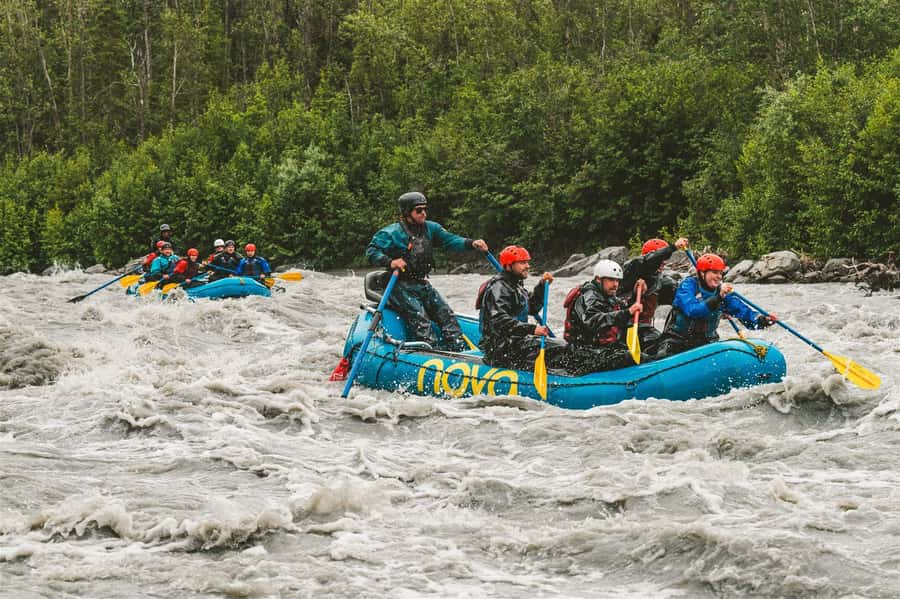
The named landmark arrives along the river: Lions Head, a massive volcanic plug rising above the Matanuska Glacier. It gives you a fixed point in a route that can otherwise feel like a fast-moving blur of water, rock, and mountain walls.
The Matanuska Glacier adds scale to the scene. You are not only riding rapids. You are doing so in a broad glacial valley, with snow-capped peaks visible in several directions. The Chugach Mountains bring a jagged profile, while the Talkeetnas provide a different mountain backdrop.
The river itself remains the main event, so do not expect long stops for sightseeing. Your attention will often be on the next wave or the guide’s command. That is part of the character of this outing. You get short visual rewards between active sections, rather than a long viewpoint visit.
One practical point deserves emphasis: waterproof cameras were not allowed on the trip, according to the information provided by the operator. A participant also wished there had been a group photo at the end. Plan to enjoy the scenery without expecting to photograph it from the raft, and ask about available photo options before setting out if preserving a picture matters to you.
What the three-hour schedule really means
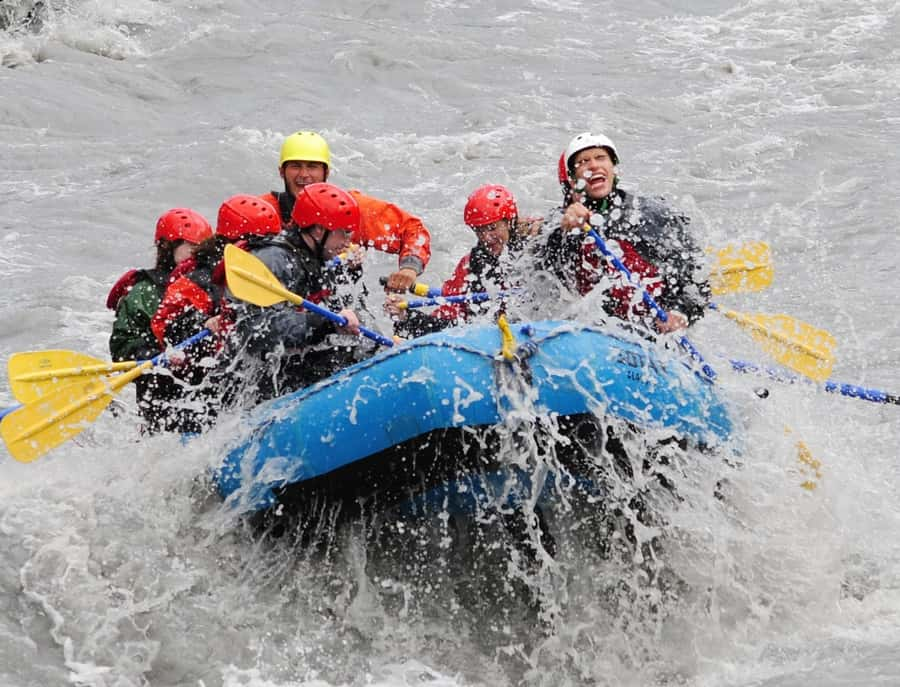
The full activity lasts about three hours, including the two 15-minute shuttle segments. The rafting portion itself is listed at about two hours.
That is a good fit for a half-day plan. You get enough river time to reach the main rapids without committing an entire day to the outing. It also leaves room for other Glenn Highway stops or a return toward Anchorage, though you should check your chosen departure time before arranging anything afterward.
The schedule is compact, but the river portion is substantial. You are not paying for a short ride followed by a long wait. The shuttle is brief, the preparation is direct, and most of the experience takes place on the water.
Start times vary, so check availability when booking. The activity operates in most weather, rain or shine. That suits Alaska, where clouds and showers can appear quickly, but it also means you should bring warm clothing and accept that the visual conditions may change.
Is $139 a fair price?
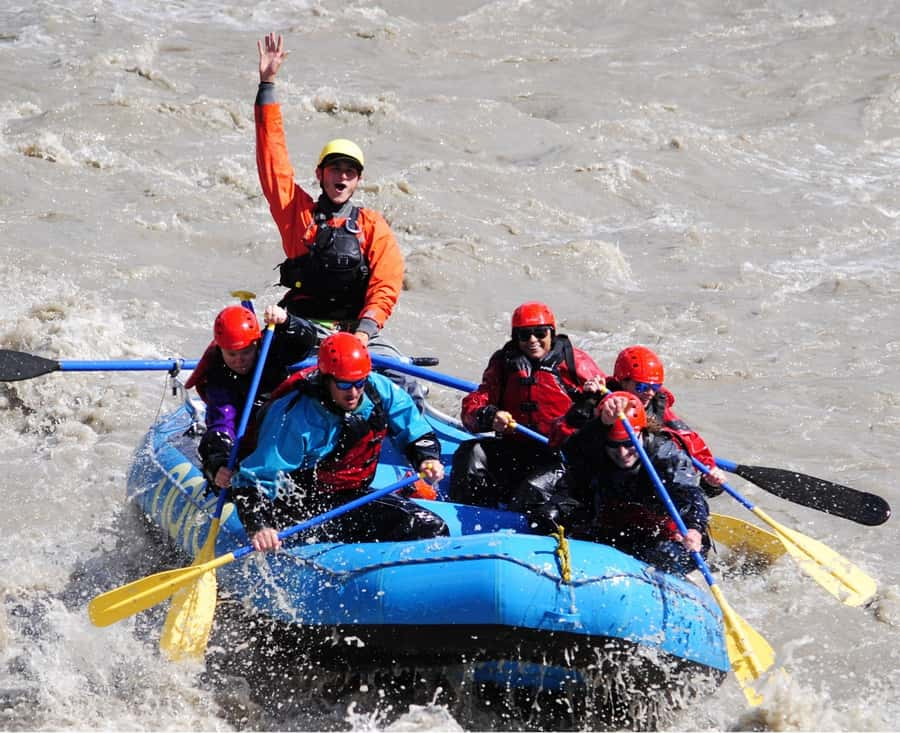
At $139 per person, this is not a budget sightseeing stop. The price makes more sense when you consider what is included: a guided raft trip, instructor, shuttle, PFD, helmet, water shoes, and full dry suit.
You are also paying for access to a demanding stretch of river with trained guides and established operating procedures. Buying all the necessary river clothing and arranging your own logistics would not be simple for a one-time visitor. The included gear removes much of that burden.
The value is strongest if you want real whitewater rather than a scenic float. If your priority is quiet glacier viewing, you may find the price harder to justify because the rapids keep your attention and there are no included food, drinks, or transfers from Anchorage.
For a group, family outing, or team-building day, the price can work well. Everyone has to respond to the same commands and paddle together. That shared effort is a major part of the appeal.
Who should book this adventure?
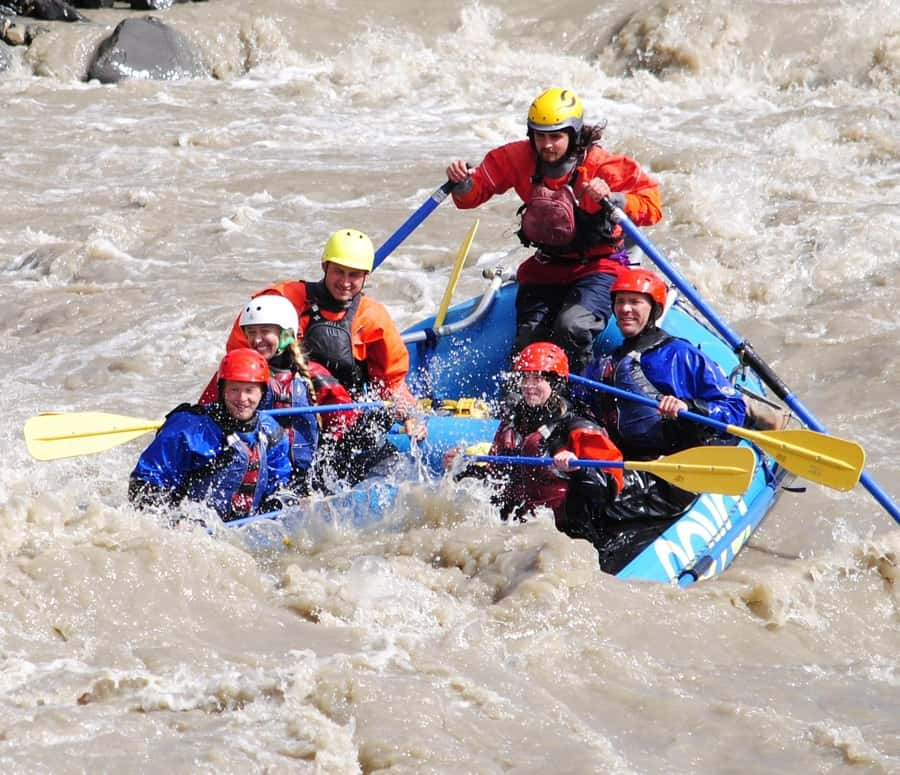
This trip suits adults and older children age 12 and up who are comfortable with cold water, physical effort, and fast-moving rapids. It can work for a first rafting trip because NOVA provides instruction and starts on Caribou Creek, but you should still want an active challenge.
It is also a strong match for experienced rafters seeking Class III and IV water in a dramatic Alaskan setting. The glacial river’s larger volume gives the ride a different feel from a small, technical creek.
I would not choose it for anyone looking for a relaxed family float, a photography-focused glacier outing, or an activity with no swimming requirement. The age, weight, health, and mobility limits are not minor details. You must swim, get into and out of the raft alone, and handle exertion.
The trip is family-friendly within those limits. Children under 12 are not accepted, and people over 65 are listed as unsuitable, so check the group’s ages before making plans.
What to bring and how to prepare
Bring warm clothing for underneath the dry suit. The river is glacial, and rain or spray can make the air feel colder than expected.
Wear practical layers that allow movement. You will be paddling and responding to the guide, not sitting still for the entire rafting section. You should also arrive prepared for wet conditions, since NOVA runs the trip in most weather.
Before booking, ask yourself three simple questions:
- Can I swim?
- Can I get into and out of the raft on my own?
- Can I handle sustained physical effort in cold, fast-moving water?
If the answer to all three is yes, the trip’s requirements are clear. If one answer is no, choose a gentler activity.
The final call on Lions Head rafting
Book this if you want a genuine whitewater challenge, not just a view of a glacier. The Class III and IV rapids, full dry suit, strong guide support, and spectacular mountain setting give the $139 price solid value for an active half-day.
The best reasons to choose it are the progression from Caribou Creek to the powerful South Fork, the chance to pass beneath Lions Head, and the professional guide work associated with NOVA’s long-running operation. Guides Coffee and Newby were praised for handling the trip well, and that matters on water this forceful.
Skip it if you cannot swim, dislike cold and wet conditions, or want time to stop and take photographs. For the right person, though, Lions Head offers a memorable way to feel Alaska’s raw river power rather than simply look at it from the road.
FAQ
How long does the Matanuska Glacier Lions Head rafting trip last?
The activity lasts three hours. This includes two 15-minute bus or coach transfers and about two hours of rafting.
Where does the trip meet?
Meet at NOVA Alaska Guides at Mile 96.5 on the Glenn Highway. At Hick’s Creek bridge, turn onto Trailhead Road, follow the driveway under the bridge, and continue to the camp.
Is transportation from Anchorage included?
No. Transportation to and from Anchorage is not included. The meeting point is about two hours north of Anchorage by road.
What river section does the trip use?
The trip begins on Caribou Creek and continues after it merges with the glacial waters of the South Fork. The Lions Head section includes Class III and IV rapids.
Do I need previous rafting experience?
No. Previous experience is not required. The trip begins on lower-volume Caribou Creek, which serves as a training section before the larger rapids.
What gear does NOVA provide?
NOVA provides a PFD, river helmet, pair of water shoes, full dry suit, guided raft trip, instructor, and shuttle.
What should I bring?
Bring warm clothing. Food and drinks are not included.
Are children allowed on the trip?
Children must be at least 12 years old. The activity is not suitable for children under 12.
Can I cancel for a refund?
You can cancel up to 24 hours in advance for a full refund. You can also reserve now and pay later, keeping your plans flexible.
Just added around the USA
- Wilderness: Denali National Park Class I-III Rafting Tour★ 4.5 · 25 reviews
- Westwater Canyon: Colorado River Class 3-4 Rafting from Moab★ 4.8 · 22 reviews
- Valdez: Keystone Canyon Whitewater Rafting Trip★ 4.8 · 6 reviews
- Half Day New River Gorge Whitewater Rafting★ 5.0 · 22 reviews
- New River Gorge Whitewater Rafting, WV – Lower New Full Day★ 5.0 · 18 reviews
- Lower Gauley Fall Rafting Special in WV★ 5.0 · 32 reviews
- Fall Upper Gauley Full Day Whitewater Rafting★ 5.0 · 2 reviews
- Extreme Class V Whitewater Rafting on the Gauley River WV (Fall Only)★ 5.0 · 10 reviews
White Water Rafting, compared.
Rotorua Rafting: Kaituna River White Water Rafting & Free Sauna
Read our review →
Barron Gorge White Water Rafting from Cairns or Port Douglas
Read our review →
ATV Quad Bike & White Water Rafting Adventure
Read our review →
Rafting Rotorua: Kaituna River White Water Experience
Read our review →
White Water Rafting – Kaituna Cascades, The Originals
Read our review →
Other lists this trip is on