
Review · WHITE WATER RAFTING
Tongariro River: Grade 3 Whitewater Rafting
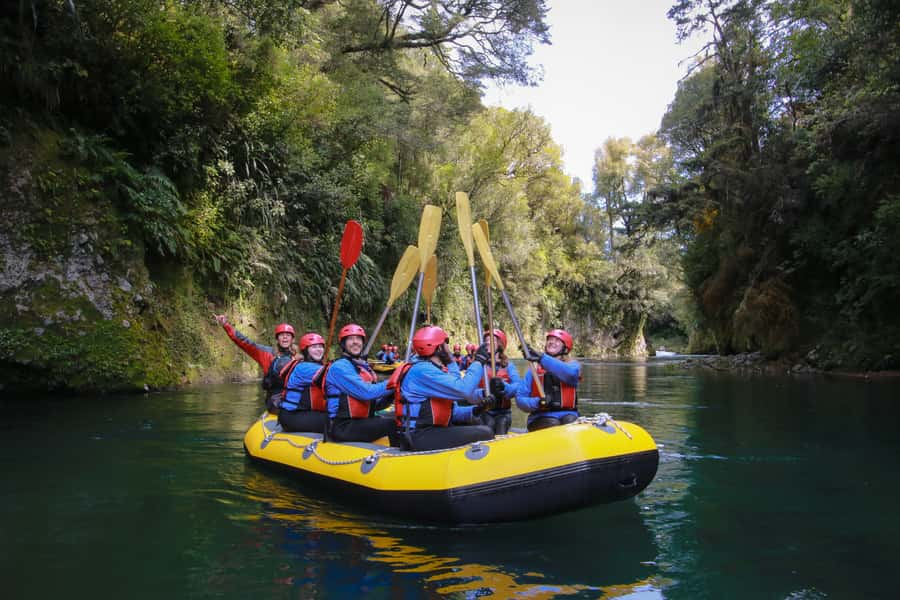
The Tongariro River packs more than 60 Grade 3 rapids into a four-hour outing, with roller-coaster drops, clear instructions, and fine views of the upper river. You start at the Turangi base, get fitted with your gear, ride a short bus to the launch point, then paddle with a guide who keeps the raft moving as a team.
I like two things right away: the trip gives first-time rafters a real taste of whitewater without requiring advanced skills, and the river scenery is available only from the water. You might also spot a rare blue duck. The main consideration is that you need to be at least 11, carry personal medication, and be ready to get wet in changing weather.
Key points to know before you book
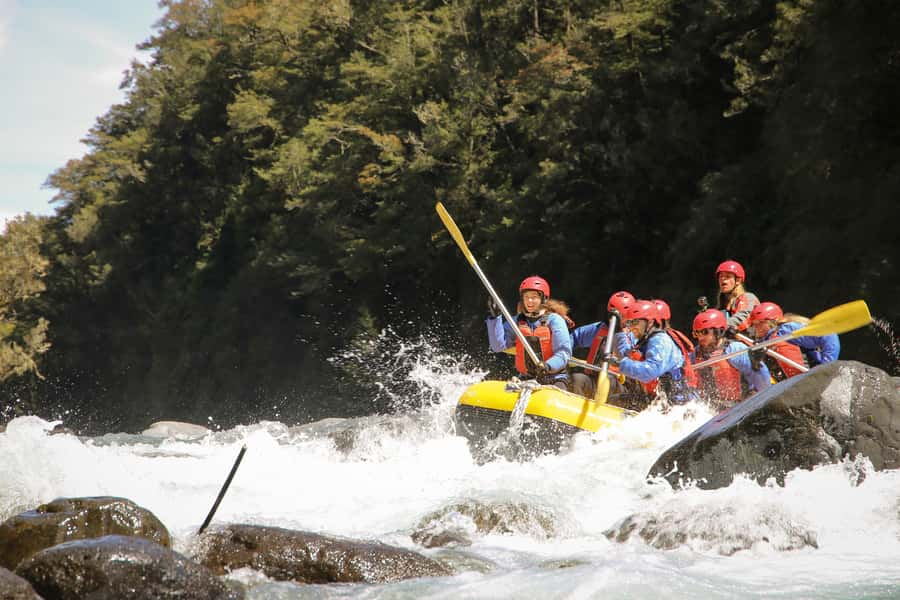
- More than 60 rapids: Grade 3 whitewater keeps the four-hour trip active from start to finish.
- A good first rafting trip: You receive a safety briefing and paddling instruction before facing the rapids.
- Upper Tongariro scenery: The river shows you views that road travelers cannot reach.
- Guides matter here: Fletcher has been praised for calm, caring support, while Sarah has been praised for warm communication.
- Blue duck possibility: Keep watch along the river for one of New Zealand’s rarest native ducks.
- Bring the basics: Pack swimwear, a towel, and any personal medication you need.
Why the Tongariro River makes a good rafting choice
The Tongariro River offers the kind of rafting day that works well for people who want genuine whitewater action but do not want an expert-only challenge. Grade 3 rapids are lively and demanding enough to feel exciting, yet the trip is designed for beginners as well as rafters with more experience.
That balance matters. You are not simply sitting in a raft while a guide does all the work. You will paddle, listen, brace, and help the boat move through the water. At the same time, you are not expected to know how to read a rapid before you arrive. Your guide gives you the basic skills before the river gets serious.
I also like the setting. The upper reaches of the Tongariro River offer a view of the North Island that you cannot get from a roadside lookout. The water carries you through scenery that unfolds at river level, with the sound and movement of the rapids shaping the whole experience.
There is a wildlife angle, too. The trip gives you a chance to see a rare blue duck, known in New Zealand as the whio. A sighting is never promised, so do not treat it as the main reason to book. Still, it adds a worthwhile reason to look up between rapids.
More White Water Rafting in New Zealand
- Rotorua Rafting: Kaituna River White Water Rafting & Free Sauna
★ 5.0 · 1,952 reviews - Rafting Rotorua: Kaituna River White Water Experience
★ 4.9 · 1,274 reviews - White Water Rafting – Kaituna Cascades, The Originals
★ 5.0 · 1,274 reviews
Arriving at the Turangi rafting base
The meeting point is Tongariro River Rafting at 133 Atirau Road in Turangi. This is where your four-hour outing begins, not at the river itself. Allow enough time to arrive ready for the equipment fitting and briefing.
The base supplies the necessary rafting equipment, including a life jacket. You need to bring swimwear and a towel, since the water is part of the day whether you are paddling hard or taking on a splash from the raft.
Personal medication deserves special attention. The instructions are clear: bring what you need with you. Arriving without it could mean you cannot raft. That is a practical rule, not a minor detail, so check your bag before leaving your accommodation.
After you get equipped, a short bus ride takes you from the base to the river’s starting point. This keeps the outing simple. You do not need to arrange your own transport to a remote launch site, and the rafting company handles the transfer as part of the activity.
The safety briefing is part of the experience
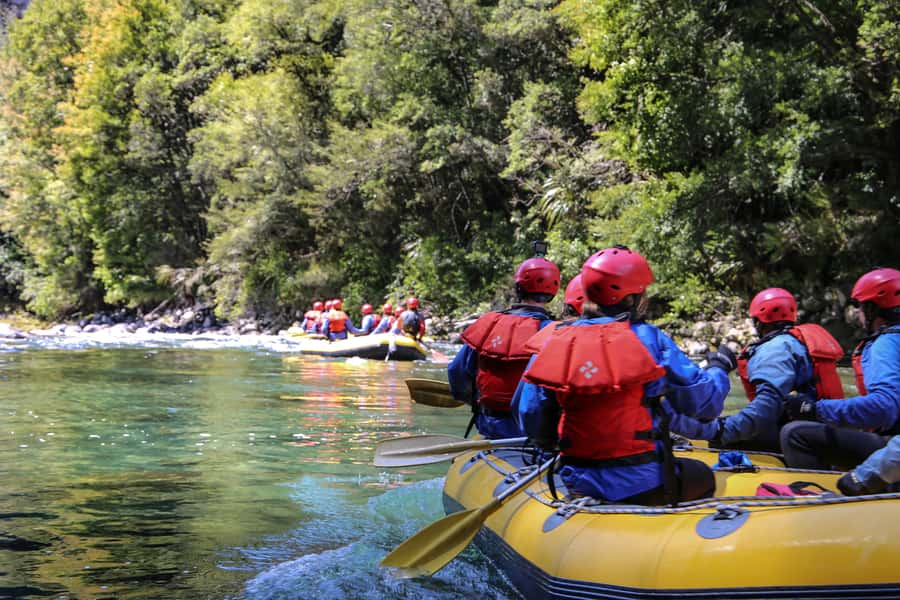
Before the raft touches the river, your guide gives you a full safety briefing and explains the paddling commands. Pay close attention here. The briefing tells you how to sit, how to paddle, and how to respond when the raft meets a rapid.
This is also when you get a feel for your guide. The strongest part of this experience is not only technical river skill. It is the ability to keep a mixed group calm, alert, and working together. Fletcher has been praised for being supportive, caring, informative, and attentive, especially with someone who arrived nervous about taking part.
That is useful information if you are not a natural risk-taker. A rafting trip can feel intimidating before you start. A guide who explains each step and builds group confidence can change the mood quickly. Sarah has also been praised for strong communication and a welcoming approach.
You still need to take the activity seriously. Grade 3 means real moving water, not a gentle sightseeing float. The guide leads the way, but you must listen and paddle as instructed. Intoxication, alcohol, and drugs are not allowed, and unaccompanied minors cannot take part.
Taking on 60 Grade 3 rapids
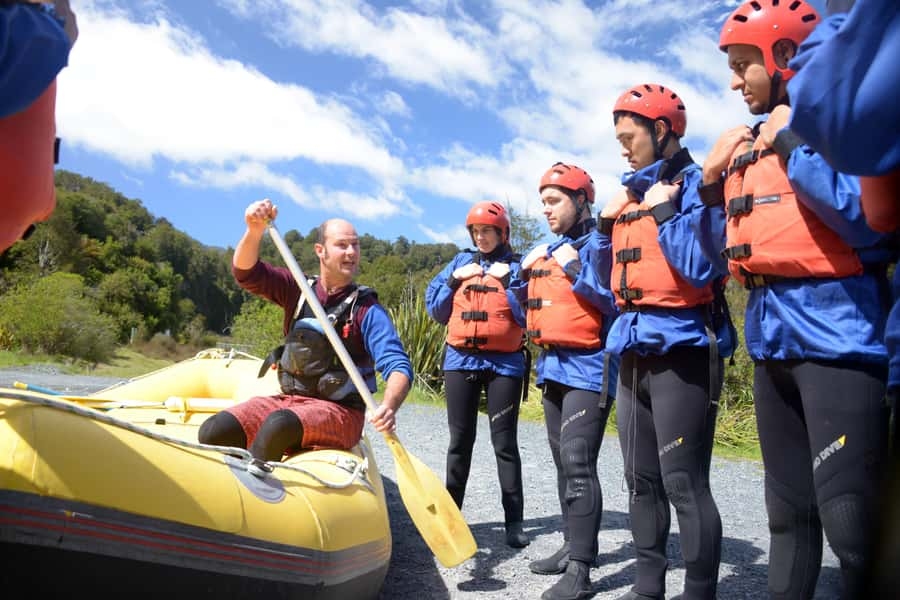
Once on the Tongariro, the day becomes a steady series of rapids. More than 60 of them means you will have many chances to practice the commands and get better at working with the rest of the raft.
The roller coaster description fits the appeal. You get the build-up before a rapid, the quick movement through it, and the relief and laughter that follow. The action is spread through the trip rather than saved for one brief section, so the four-hour duration feels purposeful.
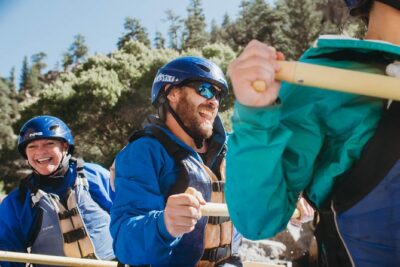
Your role is active. Paddle when told, stay focused, and work with the people around you. The trip is a shared team activity, which makes it a good choice for friends, families with eligible children, couples, or work groups looking for something that requires cooperation rather than passive sightseeing.
The river also gives you breaks between the more active sections. Those moments let you take in the upper Tongariro and recover before the next set of rapids. Do not expect a quiet river cruise, but you should have opportunities to enjoy the surroundings as well as the whitewater.
Rain or hail does not necessarily ruin the day. One recent outing remained a success in both, which tells you that the fun is tied to the river and the group, not perfect sunshine. Still, you should choose clothing and pack a towel with the expectation of getting wet.
Same rivers, a different sort of day out:
- Waitomo Caves: Labyrinth Black Water Rafting Experience
★ 4.9 · 1,673 reviews - Rafting Rotorua Kaituna White Water Rafting | Kaitiaki Adventures
★ 5.0 · 759 reviews - Rotorua Rafting: Kaituna River Rafting Experience-Free Sauna
★ 4.9 · 401 reviews - Kaituna River White Water Rafting from Rotorua
★ 5.0 · 388 reviews
River scenery and the chance to see a blue duck
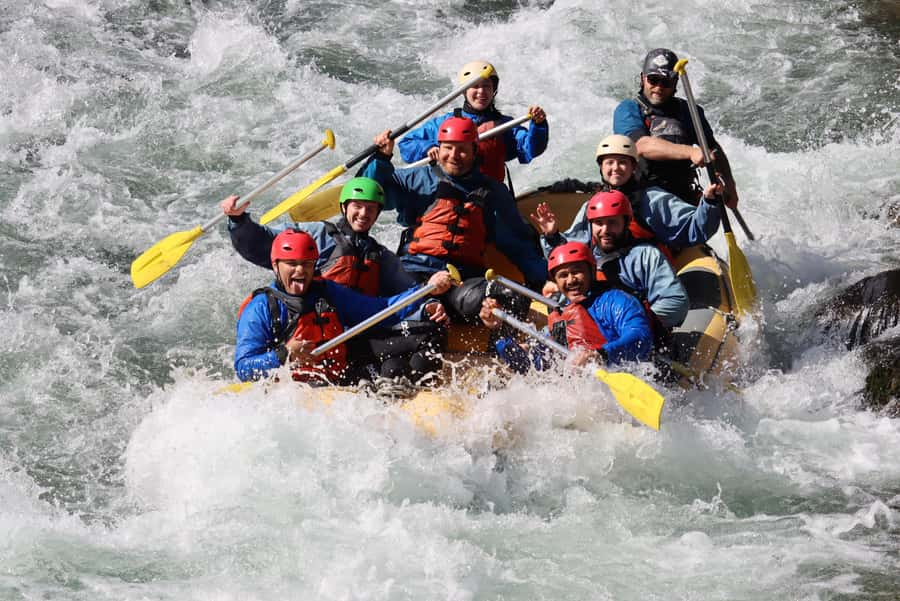
The scenery is one of the better reasons to choose this trip instead of looking only at the rapids. From the raft, you see parts of the Tongariro River that are accessible only by water. The river becomes both your route and your viewpoint.
Keep your eyes open during calmer stretches for a blue duck. These birds live around clean, fast-flowing waterways, and the Tongariro offers a chance to see one in its natural setting. The wording matters: it is a possibility, not a wildlife guarantee.
I would not spend the whole trip scanning the riverbank. You have paddling commands to follow and rapids to handle. Instead, use the quieter moments to look around. If a blue duck appears, it will be a welcome bonus to an already active day.
The combination of whitewater and wildlife gives the outing more character than a standard amusement ride. You are moving through a living river system, not simply taking repeated turns on a manufactured course.
Is $112 good value for four hours?
At $112 per person, this is not a cheap short activity, but it is a fair price for a four-hour guided outing that includes the guide, safety instruction, equipment, life jacket, and transport from the Turangi base to the starting point.
The value improves if you would otherwise need to rent equipment or arrange your own transport. You are paying for a managed experience with trained river leadership, not just access to the water. The guide is especially important for beginners, since the quality of the briefing and on-river direction shapes how confident you feel.
The price does not include digital photos. You can look at the photos after the trip and purchase them separately if you want a record of the day. If you are trying to keep costs down, treat the images as optional rather than part of the core value.
For a group outing, the price also buys a shared challenge. You will have to communicate and paddle together, and that can make the activity feel more memorable than a simple scenic stop. If you dislike getting wet, physical teamwork, or fast water, the cost will not feel worthwhile no matter how capable the guide is.
Who will enjoy this trip most?
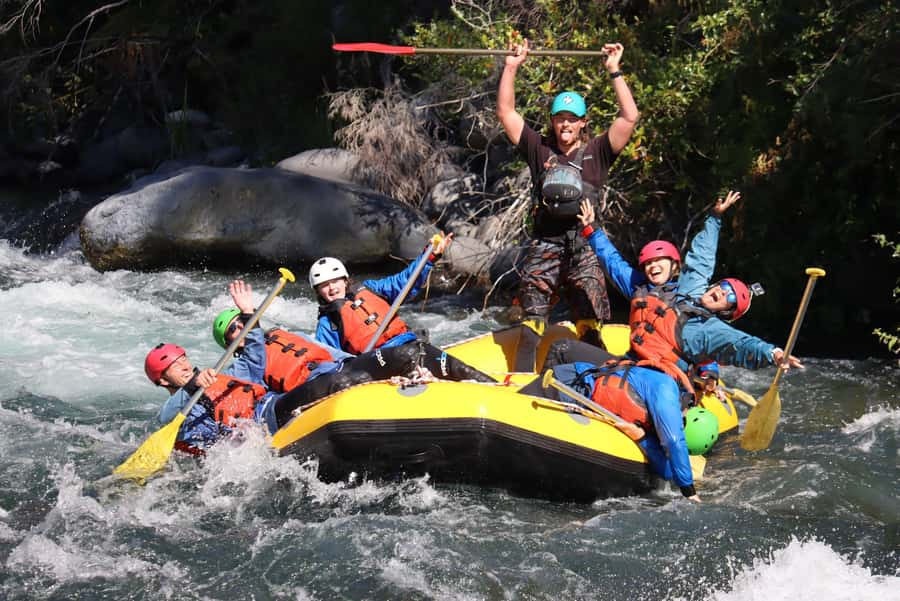
I would recommend this rafting trip to first-time rafters who want proper whitewater and a clear support structure. You do not need advanced rafting experience, but you should be willing to follow instructions and take an active role.
It also suits people who want to combine scenery with action. The Tongariro River offers more than a sequence of rapids, and the chance to see a blue duck adds a distinct New Zealand touch.
Children must be at least 11 years old. Those aged 11 or 12 must be accompanied by a responsible adult. Children under 11 cannot take part, and unaccompanied minors are not allowed.
This is less suited to anyone looking for a dry, slow-paced river outing. It is also not suitable if you cannot bring your personal medication, or if you plan to arrive under the influence of alcohol or drugs. Those rules are firm and sensible for a moving-water activity.
What to bring and what to expect afterward
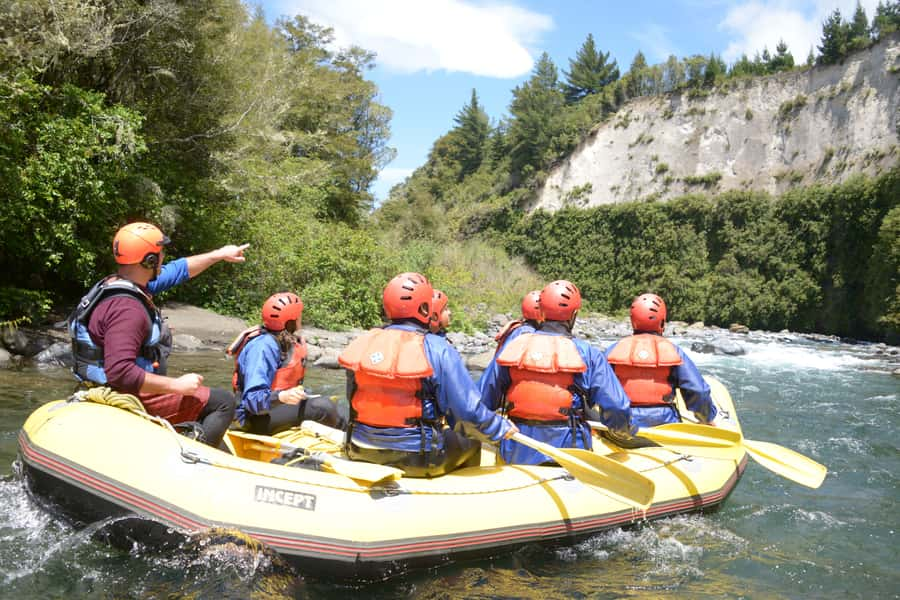
Keep your packing simple. Bring swimwear, a towel, and personal medication. The operator provides the rafting equipment and life jacket, so you do not need to bring your own safety gear.
You should expect to spend about four hours on the full activity, including the base arrival, equipment fitting, bus transfer, briefing, rafting, and return to the base. Starting times vary, so check availability when booking.
At the end, you return to the Turangi base and can look at photos from the trip. Digital photos cost extra, but they can preserve the moments when the raft hits the bigger rapids and the whole group has to work together.
The booking terms are helpful if your North Island plans may change. You can cancel up to 24 hours before the activity for a full refund, and the reserve-now-pay-later option lets you hold a place without paying at the time of booking. The trip needs a minimum number of participants to operate. If that number is not reached, the company may cancel after confirmation and offer another date or a full refund.
My take on the guides and group atmosphere
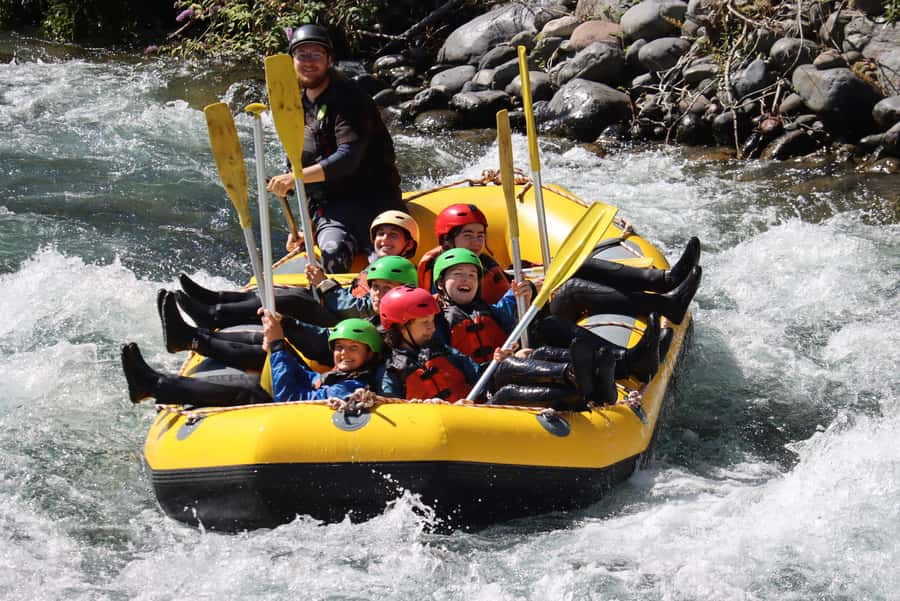
The guide is the difference between nervous fun and needless worry on a Grade 3 river. Fletcher has been singled out for helping a cautious participant feel safe and confident, while also getting the group to paddle as one team. That kind of attention is exactly what you want when several people with different comfort levels share a raft.
Sarah has also been praised for communication and a welcoming manner. You should not assume either guide will lead your specific departure, but these names give you a useful picture of the personal service the company aims to provide.
The group element is important. You will not experience the river entirely on your own terms. You need to listen to the guide and respond with the rest of the raft. For some people, that shared effort is the best part of the trip. For others, it may feel less relaxed than an individual activity.
I like that the experience seems to make room for both nervous beginners and confident paddlers. The river supplies the excitement, while the guide helps keep the group focused and connected.
Should you book the Tongariro rafting trip?
Book it if you want a real four-hour whitewater adventure in Turangi, especially if you are new to rafting but ready for Grade 3 rapids. The combination of more than 60 rapids, expert instruction, upper-river scenery, and a possible blue duck sighting gives the day plenty of substance for $112.
I would be more cautious if you want gentle sightseeing, cannot swimwear-pack for a wet activity, or dislike taking commands in a group setting. Check the age rules, bring personal medication, and remember that photos cost extra.
For most active visitors to New Zealand’s North Island, this is a strong choice. You get a proper river challenge, not a token splash, with guides who focus on safety, teamwork, and confidence.
FAQ
How long does the Tongariro River rafting trip last?
The activity lasts four hours, including the preparation and rafting experience.
How many rapids will I raft through?
You will tackle more than 60 rapids on the Tongariro River.
What grade are the rapids?
The rapids are Grade 3. The activity is suitable for beginners as well as people with more rafting experience.
Where does the tour meet?
Meet at Tongariro River Rafting, 133 Atirau Road, Turangi 3353.
What is included in the price?
The price includes an expert guide, all necessary equipment including a life jacket, and a full safety briefing.
What should I bring?
Bring swimwear, a towel, and any personal medication you need.
Can children join the rafting trip?
Children under 11 cannot take part. Children aged 11 or 12 must be accompanied by a responsible adult, and unaccompanied minors are not allowed.
Just added around New Zealand
- Tongariro Thrills: Grade 3 Whitewater Rafting Adventure★ 5.0 · 36 reviews
- Family Float Grade 2 Whitewater Adventure in Tongariro River★ 5.0 · 14 reviews
- The Awesome Scenic Rafting Adventure – Full Day Rafting on the Rangitikei River★ 5.0 · 38 reviews
- Rangitaiki River White Water Scenic Rafting from Rotorua★ 5.0 · 23 reviews
- RiverBug – the New Whitewater Adventure near Rotorua★ 5.0 · 2 reviews
- Hanmer Springs Rafting and Quad Bike combo★ 5.0 · 14 reviews
- Black Water Rafting Semi Private Tour from Auckland★ 5.0 · 2 reviews
- Black Labyrinth: Black Water Rafting – Private Tour from Auckland★ 5.0 · 8 reviews
White Water Rafting, compared.
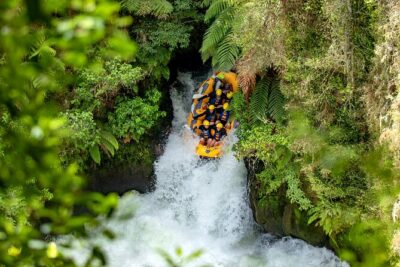
Rotorua Rafting: Kaituna River White Water Rafting & Free Sauna
Read our review →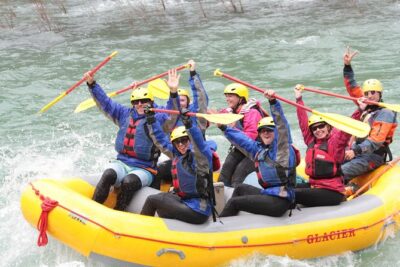
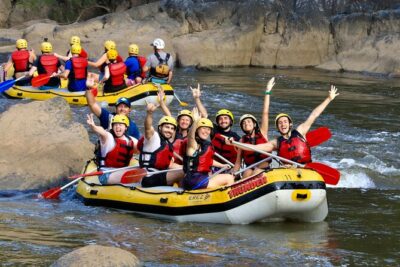
Barron Gorge White Water Rafting from Cairns or Port Douglas
Read our review →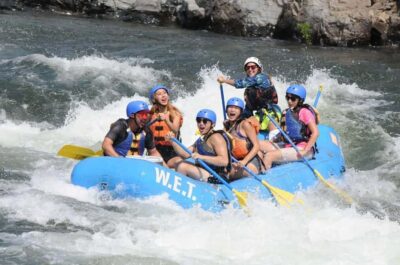
ATV Quad Bike & White Water Rafting Adventure
Read our review →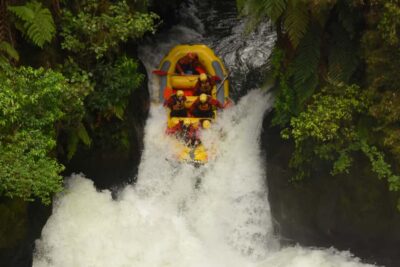
Rafting Rotorua: Kaituna River White Water Experience
Read our review →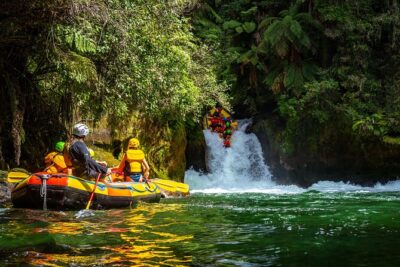
White Water Rafting – Kaituna Cascades, The Originals
Read our review →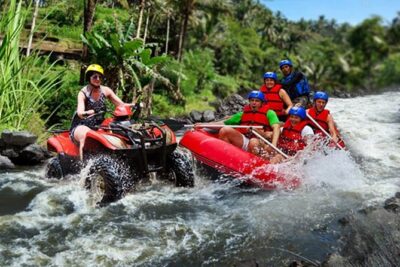
Other lists this trip is on