
Review · WHITE WATER RAFTING
Montana: Glacier National Park Whitewater Rafting Trip
The best part of this Glacier National Park rafting trip is the mix of scenic river time and real whitewater. You start with four calm miles to learn the paddle commands, then face nine Class II and III rapids through John F. Stevens Canyon. It is lively enough to feel like an adventure, but not so fierce that most first-timers feel out of their depth.
I like the patient guide training and the chance to see Glacier from water level. Guides such as Maddie, Paige, Eric, and Hannah have been praised for clear instructions, good humor, and useful facts about geology, wildlife, and the river. I also like the optional glacial-water swim. The catch is river flow: late-season low water can turn the trip into more of a scenic float, with less punch in the rapids.
Key points to know before you book
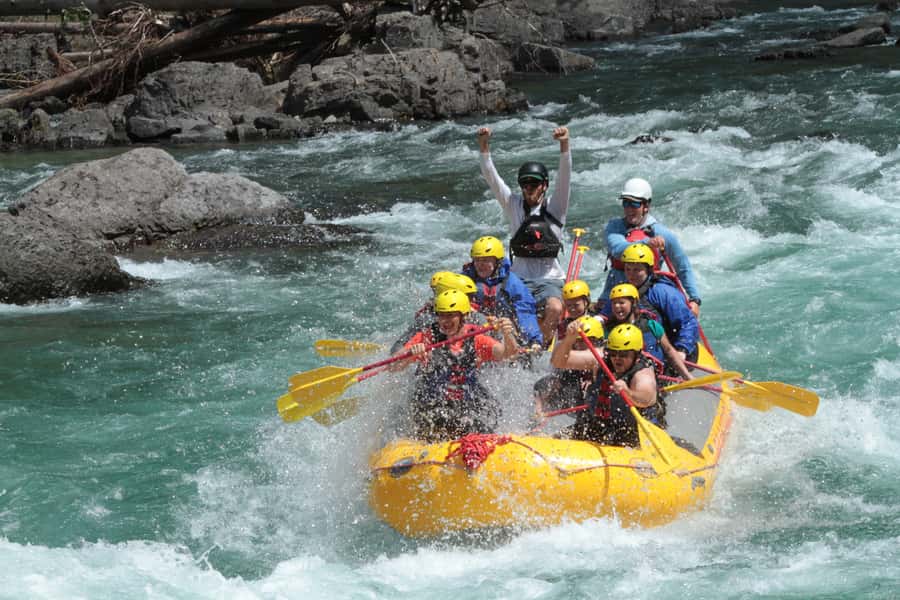
- Nine Class II and III rapids: The exciting section comes during the second four miles of the eight-mile run.
- A gentle learning start: The first four miles give you time to practice paddling before the rapids begin.
- Glacier views from the Flathead River: You pass through John F. Stevens Canyon and beneath historic Belton Bridge.
- Season changes the ride: June and early July offer a shorter trip with higher water, while late summer usually means a longer, calmer run.
- Good for first-time rafters: Helmets, life jackets, safety instruction, transportation, and trained guides are included.
- Bring warm, practical clothing: Fleece, splash jackets, and cold-weather gear are available, but you still need a towel, dry clothes, sunscreen, water, and closed-toe shoes.
Why this river trip works for first-time rafters
This is a smart choice if you want whitewater without signing up for an all-day endurance test. The Middle Fork section of the Flathead River offers a clear progression: calm water first, then faster current and rapids once you have learned how to sit, paddle, and respond to the guide.
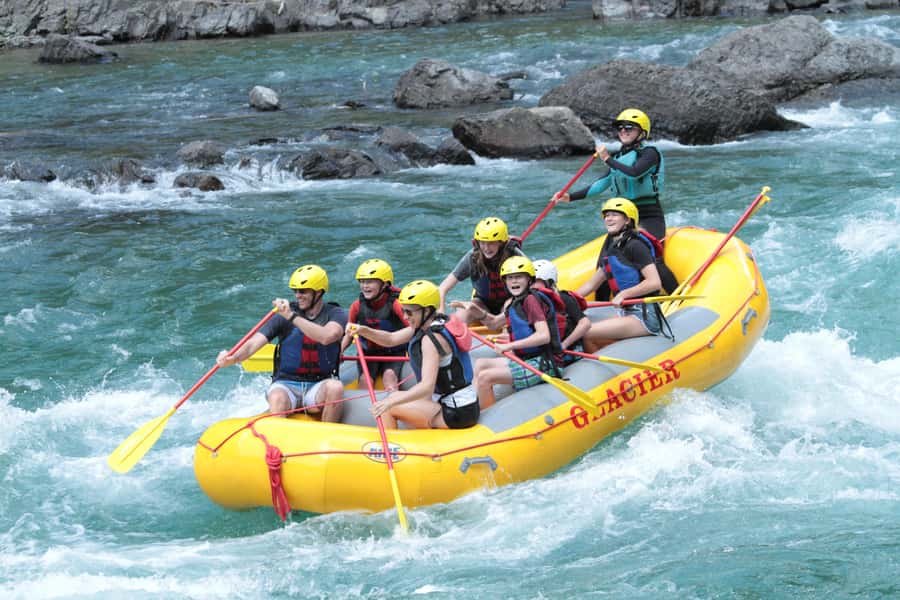
The rapids are rated Class II and III. That means you should expect splashing, teamwork, and some quick movement, but this is not an extreme expedition. You follow short paddle commands from the guide, such as moving forward or stopping, while the guide handles the main steering and river reading.
That setup makes the trip suitable for many families and beginners. Children must be at least five years old and weigh at least 50 pounds. You should be comfortable sitting in a raft, getting wet, and moving through water under the guide’s instructions.
I would not choose this trip if you want a quiet float with no physical effort, or if you need step-free access and extra mobility support. The activity includes a bus transfer, raft boarding, paddling, a short walk at the end, and occasional movement around the boat.
More White Water Rafting in the USA
- Half Day Whitewater Rafting Trip
★ 5.0 · 1,840 reviews - Half-Day Whitewater Rafting in Browns Canyon
★ 5.0 · 999 reviews - Whitewater Rafting in Jackson Hole : Family Standard Raft
★ 5.0 · 965 reviews
Starting at West Glacier with a practical check-in
You meet at Glacier Raft Company in West Glacier, between the gas station and the Alberta Visitor Center. Plan to arrive 30 minutes before departure. That early arrival matters because the company uses this time for check-in, safety preparation, and clothing decisions.
Leave your belongings in your car. You can leave your car keys at the front desk, which is easier than trying to protect them on the river. Do not bring a cooler, glass, alcohol, drugs, or drinks into the vehicle used for the transfer.
This is a useful location if you are spending the day near Glacier National Park. One person who rated the trip highly noted that the office sits right outside the park, making it easy to pair the rafting with other plans. Still, do not pack your schedule too tightly. River flow affects the total time, and the trip can last longer than the basic 150-minute estimate.
The company provides helmets and life jackets. If temperatures are below 70 degrees, cold-weather gear is available. Fleece and splash jackets are also included. Booties or water shoes cost $7 when wetsuits are no longer needed, so closed-toe shoes are the safe default if you do not want to rent footwear.
The 10-minute bus ride to the Middle Fork
After the briefing, you take a short bus ride to the river. The transfer lasts about 10 minutes, and your guide brings the raft to the launch point.
This part is simple, but it helps keep the rafting route moving. You do not need to arrange a shuttle or figure out where the river access point is. Your car stays at the office, and you return there on foot after the trip.
At the river, the guide explains safety procedures and the basics of raft teamwork. Pay close attention here. The commands are simple, but the whole boat needs to respond together when the current speeds up.
The guides are a major part of the experience. Names such as Aaron, Eva, Jackson, Catie, Alex, and McClure have been praised for clear communication, humor, river knowledge, and calm handling of the boat. That combination matters more than a flashy personality. A good guide keeps the group focused while making the ride feel relaxed.
Four calm miles to learn the paddle commands
The first four miles are the training ground. You float through the scenic part of the Middle Fork, practice the basic strokes, and get used to the raft’s movement.
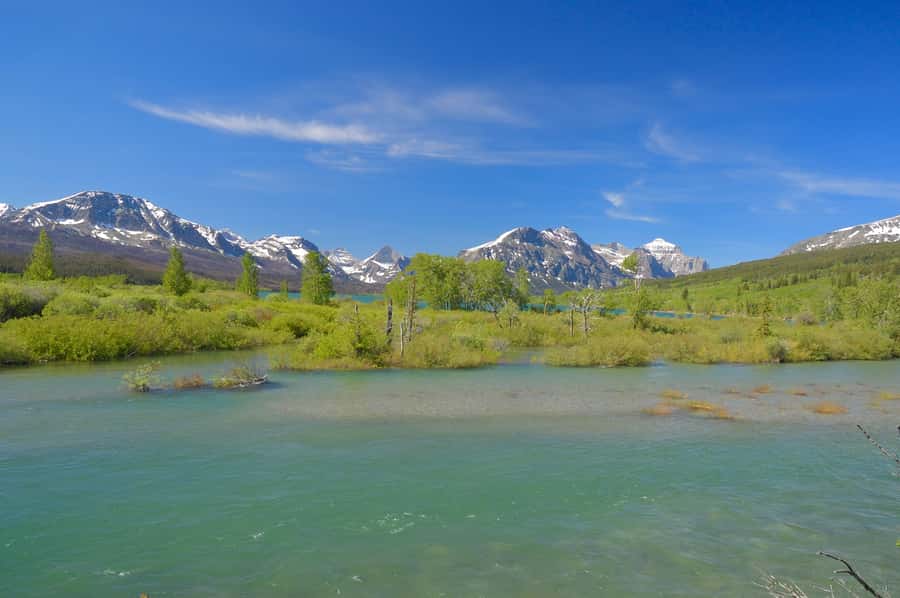
I like this pacing. You are not thrown straight into the first rapid while still wondering where to put your feet. The mellow opening also gives you time to look around. The river is known for clear water, exposed rocks, canyon views, and broad views in every direction.
Your guide also talks about flora, fauna, river ecology, geology, and environmental concerns. The educational side gives the trip more purpose than simply getting wet. Guides have pointed out information about birds, fish, park geology, and the river’s past, and the subject matter changes naturally as you move downstream.
Wildlife sightings are never guaranteed, but one August group saw a black bear along the shore. Keep your eyes open without expecting a wildlife show. The scenery itself is the dependable attraction.
Same rivers, a different sort of day out:
- Upper Pigeon River Rafting Trip from Hartford
★ 5.0 · 1,444 reviews - Durango Half Day Rafting Trip – Lower Animas River
★ 5.0 · 942 reviews - Half Day Browns Canyon Rafting Adventure
★ 5.0 · 903 reviews - Browns Canyon Full Day Rafting Adventure
★ 5.0 · 825 reviews
The second four miles and nine splashy rapids
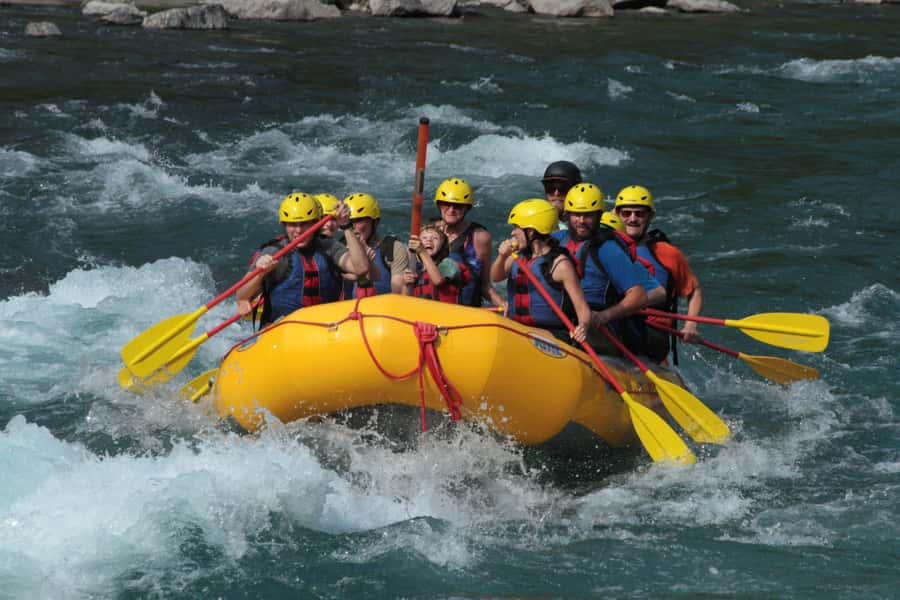
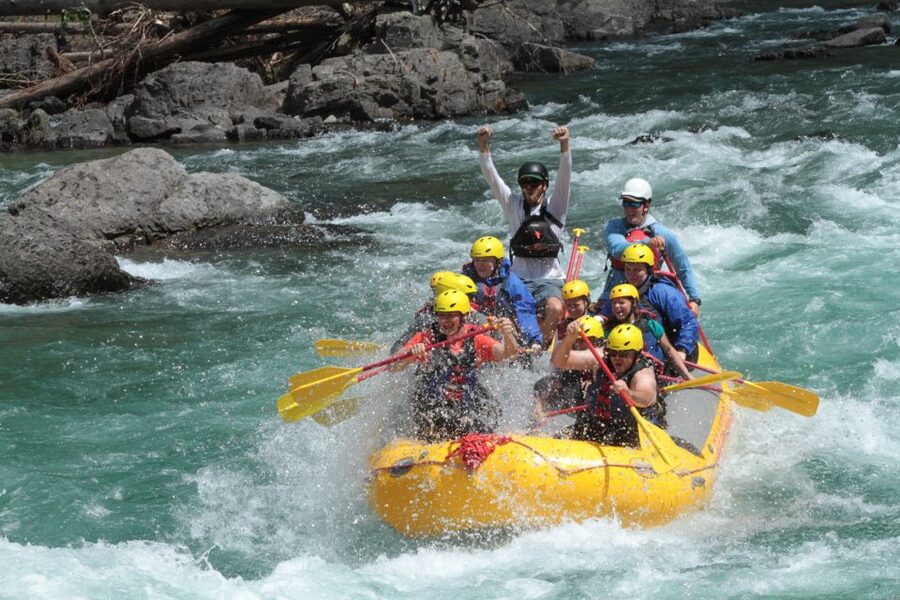
The action arrives during the second half of the route. You run nine Class II and III rapids as the river moves through John F. Stevens Canyon.
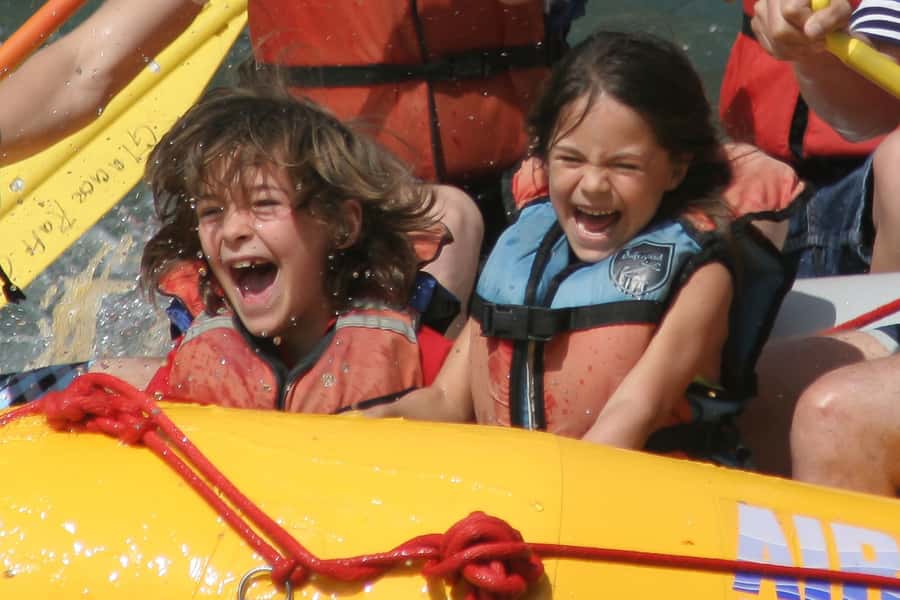
The word family-friendly does not mean dry or dull. You can expect water in your face, lively boat movement, and plenty of chances to work as a team. A guide may add spins or playful moves when conditions allow, and one family described 360-degree turns mixed with the rapids. Those extras depend on the river and the guide, so treat them as possible bonuses rather than promises.
Photographs are taken at Bonecrusher, one of the rapids. This gives you a chance to purchase or see an action image of the boat in the whitewater, though the supplied information does not specify a photo price or purchase process.
Water levels make a real difference. High water can make the ride faster and more exciting. In July, one group noted that higher water added to the thrill. In August and September, lower levels can soften the rapids. You may spend more time floating over shallow sections, and the trip may feel scenic rather than intensely sporty.
That is the main tradeoff in booking this activity. The company cannot control the river. If you want the best chance of stronger rapids, early summer generally offers higher water, but the exact conditions vary. Late summer often brings warmer days and a longer trip, but the rapids may feel gentler.
A glacial-water swim and the approach to Belton Bridge
The raft stops periodically so you can jump in for a swim if you choose. The water is glacial, so this is a brisk experience, not a long leisurely swim.
You can skip the dip and remain in the boat. Bring a towel and a full change of clothes either way. Even if you stay dry during the swim stop, splashy rapids and wind can leave you colder than expected.
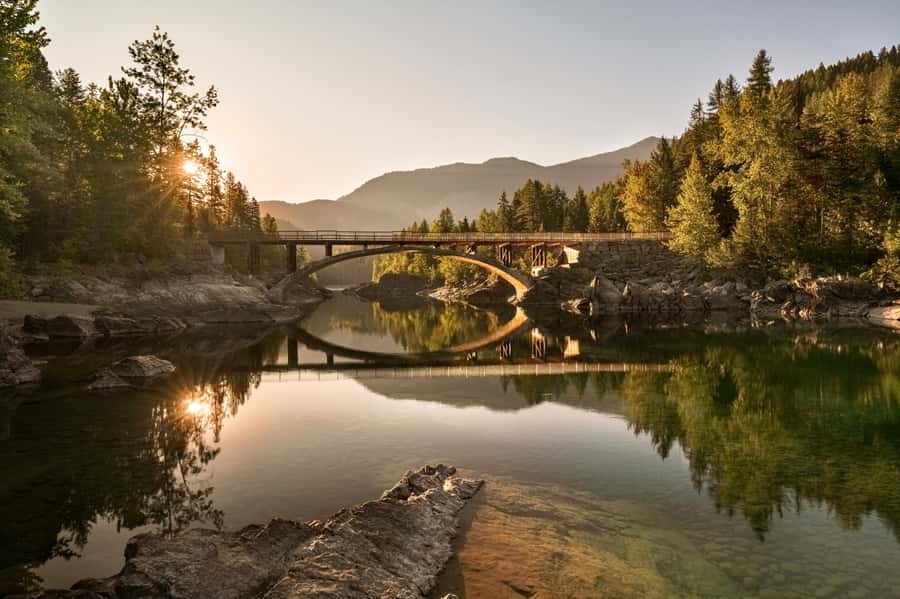
Near the end, the raft passes under historic Belton Bridge. This is one of the route’s memorable points because it connects the river ride with Glacier National Park’s older road and rail-era story. The bridge also marks a pleasant final stretch after the main rapids.
At the end of the river section, you take a short walk back to the Glacier Raft Company office in West Glacier. The walk is about 10 minutes. You can then change into dry clothes and continue with your day.
How long the trip really takes
The advertised duration is 150 minutes, but river flow can stretch or shorten the outing. A practical seasonal guide is:
- June through early July: about 2.5 hours
- Mid-July through early August: about 3 hours
- Mid-August through the end of the season: about 3.5 hours
The basic plan includes a 30-minute safety briefing, a 10-minute bus ride, roughly two hours on the river, and a 10-minute walk back. The actual time on the water varies with current speed and conditions.
Rain does not automatically cancel the trip. It operates rain or shine, so pack clothes that can get dirty and wet. A warm layer is useful even on a sunny day because the river and wind can feel cold, especially after splashing through rapids.
What the $90 price includes
At $90 per person, the trip offers solid value if you want a guided half-day activity near Glacier National Park. The price includes a professional river guide, transportation to the river, a helmet, a life jacket, fleece, splash jackets, and cold-weather gear when needed.
You are paying not only for the raft ride, but also for the logistics and safety system. The company handles the transfer, river access, equipment, and return route. Guides train in first aid and river rescue techniques, and many return for multiple seasons. That experience is reassuring when you are new to whitewater.
You still need to budget for food and drinks, since neither is included. Water shoes are available for $7, and booties cost $7 after wetsuits are no longer required. Bring your own water and snacks for before or after the outing rather than expecting refreshments during the trip.
The value is strongest for families, couples, and first-time rafters who want an organized introduction to whitewater. If you are an experienced rafter seeking large rapids or a full-day run, this route may feel modest, especially during low-water periods.
Who will enjoy this rafting trip most
I would recommend it to:
- First-time rafters who want clear instruction
- Families with children age five and older who meet the 50-pound minimum
- Visitors looking for a different way to see Glacier National Park
- People who enjoy nature facts along with outdoor action
- Groups that want a half-day outing rather than a full-day commitment
- Anyone comfortable getting wet and working with a paddle team
I would think twice if you are pregnant, have mobility impairments, or dislike cold water and wet clothing. The activity is also not suited to bare feet, loose glass items, or alcohol and drugs.
The guide style seems to be one of the strongest parts of the trip. Aaron was described as a pro, Eric helped an 11-year-old feel comfortable, and Hannah made paddling fun for a family with children aged 11, 13, and 16. Maddie was praised for keeping the group amused and on task, while Paige was praised for staying calm under pressure.
Those details point to what you can reasonably expect: a guide who runs the safety side seriously but keeps the mood light. You will still need to listen and paddle, but you should not feel left to figure it out alone.
Smart packing for a wet Montana afternoon
Bring a swimsuit or quick-drying clothes, a towel, sunscreen, water, and a complete change of clothes. Choose closed-toe shoes that can get wet and dirty.
Avoid cotton if you have other options, especially when the forecast is cool. The company supplies fleece and splash jackets, but your dry clothes at the end are your responsibility.
Cash is listed among the suggested items. Food and drinks are not included, and no cooler is allowed. Do not bring glass objects, alcohol, drugs, crutches, or bare feet into the activity.
The trip runs in rain, so check the weather before leaving your lodging. A rainy day may still produce a memorable river ride, but you will be happier if you treat the outing as wet from the start rather than hoping to stay dry.
Should you book the Glacier rafting trip?
Book this trip if you want a safe, scenic introduction to Montana whitewater with enough rapids to make the day exciting. The calm opening, clear commands, trained guides, and Class II and III route make it a good fit for many first-timers and families.
Book early summer if stronger water and more active rapids matter most. Choose later summer if you prefer a longer, calmer outing with more time to enjoy the canyon and river views. Just remember that low water can reduce the whitewater portion.
At $90, the package is fair because it includes equipment, clothing layers, transportation, instruction, and a guide who manages the river. It is not the right pick for extreme whitewater or a quiet, no-effort float. For most visitors near West Glacier, though, it adds a memorable half-day on the park’s doorstep and shows you a side of the area that roads and hiking trails cannot.
FAQ
How much does the Glacier National Park rafting trip cost?
The trip costs $90 per person. Food and drinks are not included. Water shoes or booties may cost an additional $7.
How long does the rafting trip last?
The listed duration is 150 minutes, but river flow affects the timing. Expect about 2.5 hours in June through early July, about 3 hours from mid-July through early August, and about 3.5 hours from mid-August through the end of the season.
Where do I meet the rafting company?
Meet at Glacier Raft Company in West Glacier, between the gas station and the Alberta Visitor Center. Arrive 30 minutes before departure.
What rapids will I encounter?
The route includes nine Class II and III rapids on about eight miles of the Middle Fork Flathead River. The first four miles are calmer, and the rapids come during the second four miles.
Is equipment provided?
Helmets and life jackets are provided and required. Fleece, splash jackets, and cold-weather gear are available when needed. Water shoes are not included, but they can be rented for $7.
What should I bring?
Bring a change of clothes, a towel, sunscreen, water, cash, clothes that can get dirty, and closed-toe shoes. Food and drinks are not provided.
Who cannot participate?
Children under five, pregnant women, and people with mobility impairments should not take part. Participants must weigh at least 50 pounds.
More National Park Trips in the USA
- National Park Whitewater Rafting in New River Gorge WV
★ 5.0 · 513 reviews - Denali Rafting Wilderness Wave
★ 5.0 · 462 reviews - Half-Day Glacier National Park Whitewater Rafting Adventure
★ 5.0 · 390 reviews - West Glacier: Glacier National Park Scenic Raft Trip
★ 4.9 · 254 reviews
Just added around the USA
- Gardiner: Full Day Raft Trip on the Yellowstone River+Lunch★ 5.0 · 3 reviews
- From Gardiner: Yellowstone River Whitewater Rafting & Lunch★ 4.9 · 20 reviews
- Gardiner: Half-Day Whitewater Raft Trip on the Yellowstone★ 5.0 · 24 reviews
- Gardiner: Scenic Raft Float on the Yellowstone River★ 5.0 · 4 reviews
- Moab: Full-Day Colorado Rafting Tour★ 5.0 · 16 reviews
- From Seward: Resurrection River Rafting Tour★ 4.7 · 5 reviews
- From Moab: Cataract Canyon Whitewater Rafting Experience★ 4.4 · 2 reviews
- From Las Vegas: Hoover Dam Raft Tour★ 3.8 · 28 reviews
White Water Rafting, compared.
Rotorua Rafting: Kaituna River White Water Rafting & Free Sauna
Read our review →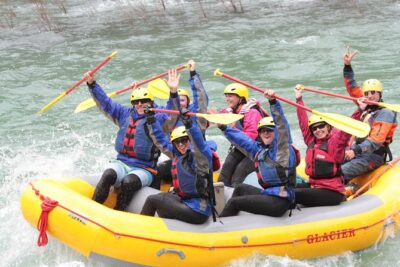
Barron Gorge White Water Rafting from Cairns or Port Douglas
Read our review →
ATV Quad Bike & White Water Rafting Adventure
Read our review →
Rafting Rotorua: Kaituna River White Water Experience
Read our review →
White Water Rafting – Kaituna Cascades, The Originals
Read our review →
Other lists this trip is on