
Review · FRANCE RAFTING TOURS
Rafting 40km on the Gave de Pau with bivouac
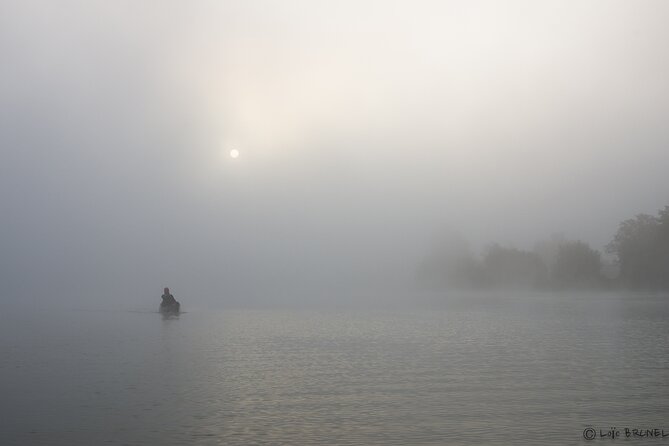
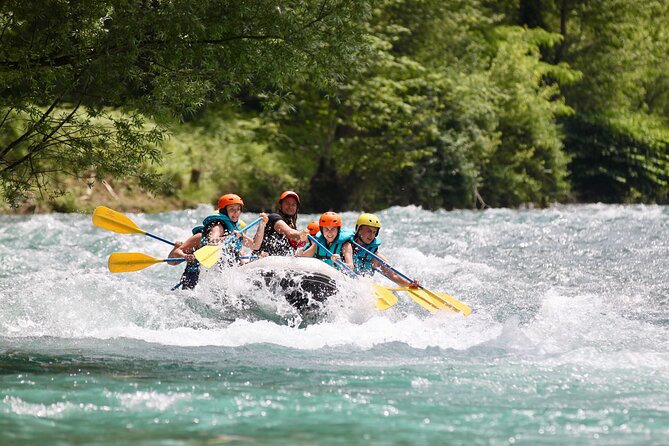
The unusual part here is not simply the rafting. You cover 40km of the Gave de Pau, spend the night beside the river, eat Pyrenean raclette over a campfire, then wake to breakfast and birdsong before tackling the final rapids. It is a proper small-scale river adventure, not a quick splash-and-go outing.
I like the maximum group size of eight, which should make instruction more personal, and I like the mix of whitewater practice with quiet outdoor time. You learn practical river skills, see Pyrenean plants and wildlife, and share a simple meal with your guides and companions. The catch is comfort: a hammock, wet shoes, and an early start suit hardy outdoor types better than anyone seeking a soft bed and a fixed schedule.
Key points to know before booking
- 40km of river travel: The route begins in the mountains of the Argelès-Gazost Valley and gradually reaches the plain.
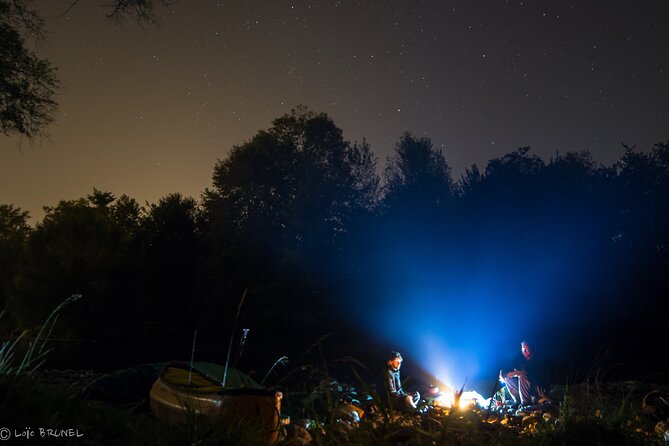
- One night outdoors: Sleep in a hammock under the stars, with a tent supplied if the weather turns poor.
- A real camp meal: The evening centers on Pyrenean raclette cooked and shared around a fire.
- Small group size: No more than eight people take part, with guides including Félipé and Oceane.
- Bring serious kit: You need 3 liters of drinking water, two pairs of tennis shoes, warm clothes, a sleeping bag, and a picnic for the first day.
- Moderate fitness required: You should be ready for a full day on the river, an outdoor night, and more rapids the next morning.
Why 40km on the Gave de Pau feels different
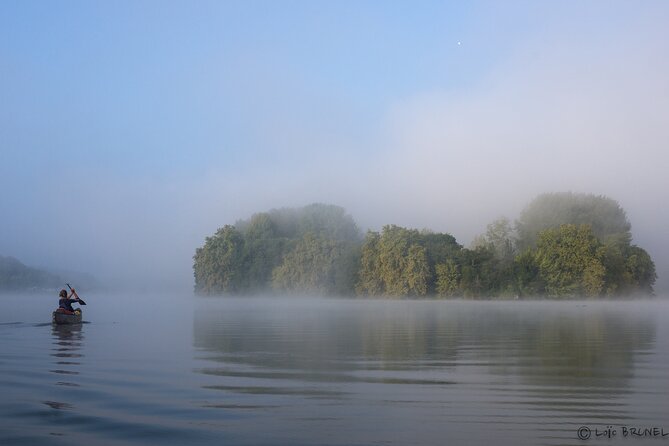
Many rafting trips give you a short hit of whitewater, then return you to a road, a changing room, and a normal afternoon. This outing asks you to stay with the river for much longer. The 40km route begins in the Pyrenees around the Argelès-Gazost Valley and gradually moves toward the plain, giving the day a sense of travel rather than a single activity session.
That distance matters because it lets the guides introduce more than basic paddling. You will learn technical movements connected with river bivouacs, practice whitewater navigation, and spend enough time on the water to understand how a raft responds. The description presents the route as gentle roaming with rapids along the way, so this is not framed as an extreme whitewater challenge.
You should still take the physical side seriously. A moderate fitness level is required, and the experience lasts about one day and six hours. Even if the river sections are manageable, you will be handling outdoor equipment, wearing wet footwear, and sleeping outside before getting back on the river.
The small group limit helps here. With up to eight people, the guides can keep the activity organized without making it feel like a large commercial outing. Félipé and Oceane are named as members of the guiding team, and the personal tone of the trip matters because a bivouac depends on cooperation as much as paddling.
More Rafting Tours in France:
- Samoëns: Whitewater Rafting Tour in the French Alps
★ 4.9 · 73 reviews - Rafting Verdon – “Explor Verdon” – Family Course
★ 5.0 · 51 reviews - RAFTING BOURG SAINT MAURICE – Descent of the Isère (2h on the water)
★ 5.0 · 47 reviews
Meeting in Villelongue at 10:30
You meet at 26 Rue de Couscouillet in Villelongue, in the 65260 postal area. The start time is 10:30 am, so you need to arrive ready rather than use the meeting point as a place to sort out all your packing.
Bring your swimsuit, bath towel, sunglasses with a cord, warm clothing, and two pairs of tennis shoes. One pair will get wet. This is an important detail, since ordinary holiday packing often includes only one pair of trainers. Keep the wet pair for river use and save the dry pair for camp and the following morning.
You also need a sleeping bag, small toiletries, and a picnic for the first day. Snacks are optional, but the river day may make them useful. The required water supply is 3 liters per person. Bottles can be refilled on site, but you still need to arrive with that amount.
There is no separate transport detail provided for getting to the starting point, so plan your own way to Villelongue. The activity ends back at the meeting point, which simplifies the final part of the day and means you do not need to arrange a different pickup location.
Learning whitewater skills on the first stretch
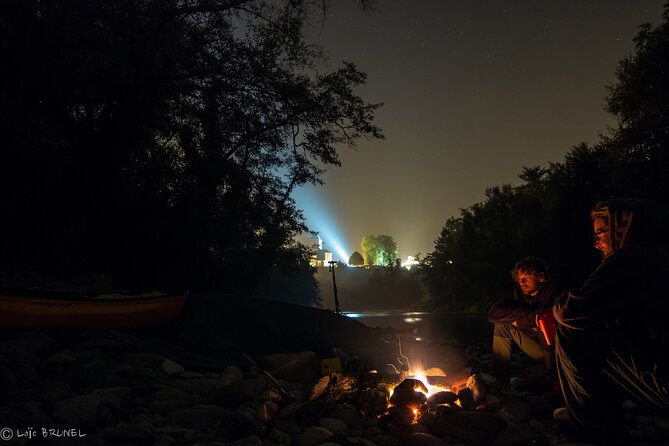
The first portion introduces you to the river and to the practical side of navigating it. You will receive guidance on safe whitewater movement and learn technical gestures used for nautical bivouacs. The exact rapids and stopping points are not specified, so you should expect the route to respond to river conditions rather than follow a sightseeing timetable.
That flexibility is part of the appeal. You are not being rushed from one marked attraction to another. Instead, the river becomes the main setting, with the guides helping you read the water and work as a group. The experience also includes attention to Pyrenean fauna and flora, so the scenery is not just something passing behind your helmet.
I like this blend of learning and movement. You get an activity with a clear purpose, but you also have a reason to look around. The Gave de Pau is presented as a suitable river for people becoming familiar with whitewater bivouacs, making this a better fit for a first overnight river trip than for someone hunting the biggest rapids available.
Still, the word rafting should not make you assume the day is effortless. You will be on the water for a long route, and the guides require moderate fitness. If you dislike wet clothing, repetitive paddling, or outdoor routines, the 40km length may feel more demanding than the price and cheerful description suggest.
Reaching camp for raclette by the fire
The first day continues into the evening rather than ending at a riverside base. That is the key change from a normal rafting excursion. Once you reach the bivouac, the focus shifts from navigation to food, warmth, and conversation.
Dinner is a Pyrenean raclette served around a campfire. Raclette is a particularly fitting choice here: warm, filling, local in character, and easy to share after time outdoors. You can expect the meal to be one of the social high points of the experience, with your group and instructors trading stories from the day.
The two short pieces of feedback supplied about the outing both point to this side of the trip. They highlight a good evening, good food, and the enjoyment of the experience, while also naming Félipé and Oceane as a fun team. The wording is partly auto-translated, so it is not useful for judging fine details, but it does reinforce the simple appeal of the camp routine.
Do not expect restaurant service or a polished campsite meal. The value is in eating beside the river, around a fire, after earning your appetite on the water. If you enjoy practical outdoor comfort, this will likely be more memorable than a standard dinner in town. If you need predictable facilities and a quiet private table, it may feel too basic.
Same rivers, a different sort of day out:
- Rafting on the Durance – Embrun
★ 5.0 · 40 reviews - RAFTING SAVOIE – Descent of the Isère (1h30 on the water)
★ 5.0 · 22 reviews - RAFTING LA PLAGNE – Descent of the Isère (1 hour on the water)
★ 5.0 · 22 reviews - Rafting Verdon Gorges
★ 5.0 · 18 reviews
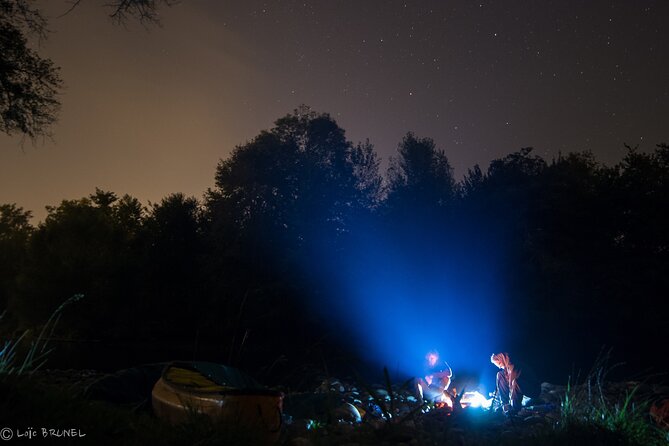
A hammock under the stars, with a tent backup
Your overnight bed is a hammock, and the plan is to sleep under the stars. That is the most romantic part of the trip, but it is also the clearest comfort warning. A hammock can be restful for some people and awkward for others, especially if you are not used to sleeping outdoors.
The tent is provided if the weather is bad. That gives you a useful safety net, but it does not turn the night into a conventional camping stay. You still need to bring your own sleeping bag and small toiletries, and you should pack warm clothes even if the daytime forecast looks pleasant.
The weather matters for more than comfort. The activity requires good weather, and poor conditions can lead to cancellation, a different date, or a full refund. Since the trip includes river travel and an overnight camp, this is a sensible rule rather than a minor scheduling detail.
Pack with damp conditions in mind. Keep anything essential in a protected bag, and separate dry camp clothes from your river gear. The supplied instructions do not list waterproof storage, so ask the provider if you need clarification before departure rather than assuming it is included.
Breakfast, birdsong, and the final rapids
The second morning begins early, with birdsong and a homemade breakfast. There is no slow hotel-style start. You will need to get up, eat, organize your gear, and return to the river with enough energy for the remaining section.
That early rhythm is part of the experience. The trip gives you a chance to see the river at a quieter time, before the day becomes busy. The homemade breakfast also supplies a practical contrast to the previous evening’s raclette: warm, simple food before the final run.
After breakfast, you continue through more rapids, with arrival planned around midday. The end of the route brings you back to the meeting point, closing the loop without a separate finish location. Because the exact rapids are not listed, you should not book this expecting a named series of famous drops. The attraction is the full river journey and the overnight setting.
The final morning can also expose the main weakness of a bivouac trip. You may be tired, damp, or less comfortable than when you started. That is not a flaw in the plan, but it is a real part of what you are buying. This is a short adventure with basic outdoor living, not two days of polished recreation.
What the $300.96 price includes in practical terms
At $300.96 per person, this costs much more than a standard half-day rafting session. The price makes more sense when you consider the amount of time involved: roughly 30 hours, 40km of river travel, instruction, an overnight bivouac, an evening meal, and breakfast.
You are also paying for a small group, with no more than eight people. That can be valuable on a technical activity, since the guides have fewer people to manage and more opportunity to explain river movements. The group size also affects the social side of camp. Eight is large enough for company but small enough to keep the outing personal.
Do not read the price as covering every need. You must bring drinking water, a picnic for the first day, snacks if wanted, two pairs of shoes, a sleeping bag, toiletries, a towel, and suitable clothing. The required packing list means the cost is not all-inclusive in the usual hotel or organized-tour sense.
I would judge the value by the kind of trip you want. If you only want to paddle for a few hours, this is expensive. If you want instruction, a long river route, a campfire meal, and a night outside without organizing the entire adventure yourself, the price is easier to justify.
Who will enjoy this Pyrenean river bivouac
This outing suits you if you like active holidays, small groups, outdoor food, and the feeling of learning as you go. It is especially fitting for people who want a more authentic Pyrenean experience than a quick activity between town visits.
You do not need to be described as an expert athlete. The stated requirement is moderate physical fitness, and the route is introduced as suitable for becoming familiar with whitewater bivouacs. Still, you should be comfortable with a full day of river activity and another session the next morning.
The trip is also a good match for people who enjoy shared experiences. The raclette, fire, hammock, and breakfast create a strong group element. The guides are part of that atmosphere, and the available feedback gives Félipé and Oceane a warm mention for making the ride fun.
I would think twice if you need a private room, full bathroom facilities, a late morning, or firm control over the schedule. I would also avoid booking if the weather forecast looks doubtful, since the activity depends on good conditions and the cancellation terms are strict.
Booking details worth noticing
Confirmation is sent within 48 hours of booking, subject to availability. The experience is non-refundable and cannot be changed for any reason, so check your dates and fitness level before paying.
If poor weather causes cancellation, you are offered a different date or a full refund. If the minimum number of participants is not reached, you are offered another date or experience, or a full refund. These terms protect you in the main situations that could stop the trip, but they do not provide flexibility for a personal change of plans.
The ticket is mobile, which makes arrival simpler. Keep the meeting address handy: 26 Rue de Couscouillet, 65260 Villelongue. Since the activity ends at the same meeting point, you can arrange your day around one location.
Should you book this 40km rafting trip?
Book it if you want the river to be the center of your Pyrenees visit, not just a two-hour add-on. The strongest reasons are the 40km route, the group limit of eight, the campfire raclette, and the chance to sleep in a hammock before returning to the rapids.
Skip it if you want comfort, flexible cancellation, or a simple rafting session. The price is fair only when you value the overnight element and the small-group instruction. For an outdoorsy visitor with moderate fitness, a good weather window, and a willingness to carry the right kit, this offers a memorable taste of river autonomy near Lourdes.
FAQ
Where does the rafting experience start?
It starts at 26 Rue de Couscouillet, 65260 Villelongue, France.
What time does the activity begin?
The start time is 10:30 am.
How long does the experience last?
The advertised duration is about 1 day and 6 hours.
How far do you raft?
The route covers 40km on the Gave de Pau, beginning in the mountains and gradually descending toward the plain.
Where does the activity finish?
The experience ends back at the meeting point.
What should I bring?
Bring 3 liters of drinking water per person, a swimsuit, bath towel, two pairs of tennis shoes, warm clothes, a sleeping bag, small toiletries, sunglasses with a cord, and a picnic for the first day. Snacks are optional.
What happens if the weather is bad?
The activity requires good weather. If it is canceled because of poor conditions, you are offered a different date or a full refund.
Just added around France
- Whitewater swimming (hydrospeed) on the Ubaye★ 5.0 · 3 reviews
- Rafting on the Ubaye – Barcelonette★ 5.0 · 15 reviews
- Whitewater swimming (Hydrospeed) on the Durance★ 5.0 · 10 reviews
- RAFTING SAVOIE – Descent of the Isère (1h30 on the water)★ 5.0 · 22 reviews
- RAFTING LA PLAGNE – Descent of the Isère (1 hour on the water)★ 5.0 · 22 reviews
- HYDROSPEED LA PLAGNE – Descent of the Isère (1h30 in the water)★ 5.0 · 5 reviews
- Rafting at the foot of Mont Blanc in Chamonix★ 4.5 · 7 reviews
- Rafting Verdon – “Point Sublime” – Sports Course★ 4.5 · 6 reviews
France Rafting Tours, compared.
Samoëns: Whitewater Rafting Tour in the French Alps
Read our review →
Rafting Verdon – “Explor Verdon” – Family Course
Read our review →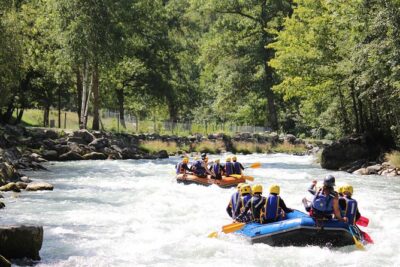
RAFTING BOURG SAINT MAURICE – Descent of the Isère (2h on the water)
Read our review →
RAFTING LA PLAGNE – Descent of the Isère (1 hour on the water)
Read our review →
RAFTING SAVOIE – Descent of the Isère (1h30 on the water)
Read our review →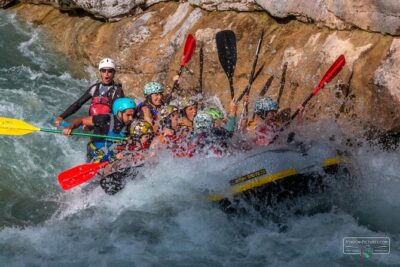
Haute-Savoie: introductory rafting trip and aperitif
Read our review →Other lists this trip is on