
Review · IDAHO RAFTING TOURS
5 Day Main Salmon Rafting Tour with Meals Included
The best part of this five-day Main Salmon trip is the way the river combines hard-charging rapids with quiet camps, old stories, mountain streams, and long stretches far from roads. I like the mix of action and downtime, and I like that the guides do far more than row: they cook, lead hikes, organize camp games, and bring the river’s past to life. The main drawback is the long, physically active days. You need moderate fitness, and July heat can be stronger than expected.
I also like the unusually social camp life, from raft slippery slides and swimming challenges to campfire games and songs. Meals sound far more ambitious than standard camp fare, with steak, salmon, fajitas, peach cobbler, and pineapple upside-down cake among the dishes prepared. Still, this is a wilderness trip, not a soft adventure holiday, so expect basic facilities, long hours, and a remote ending at Carey Creek.
Key Points at a Glance
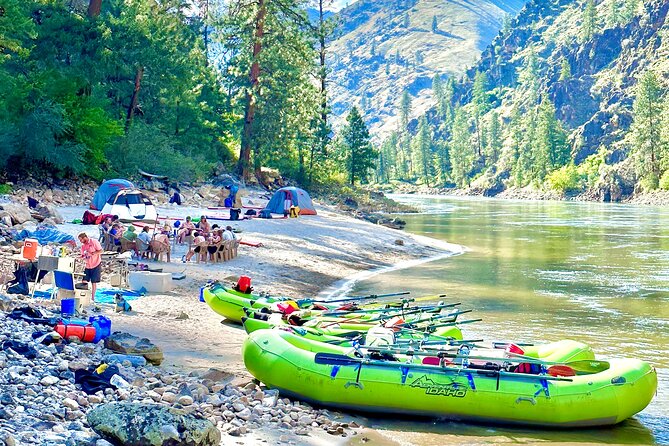
- Five days in roadless Idaho wilderness: The route passes through the Frank Church River of No Return Wilderness, one of the country’s largest protected wilderness areas.
- Whitewater with plenty of variety: You get thrilling rapids, calmer river miles, mountain streams, and opportunities to ride a duckie or paddle a personal packraft when arranged.
- Meals are a major part of the experience: The guides prepare three meals a day, including substantial dinners and creative camp treats.
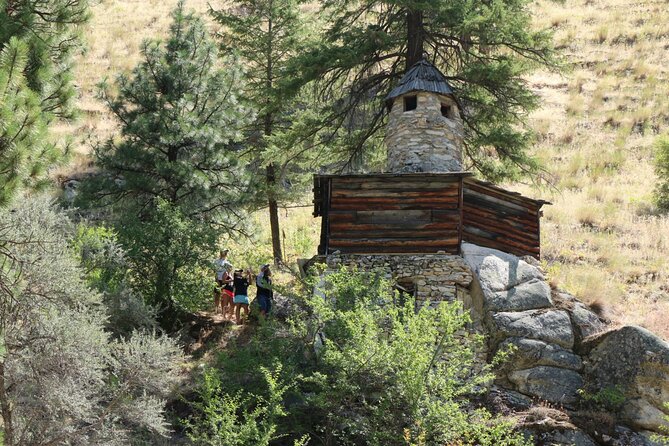
- History is built into the route: Expect a mountain man museum, historic sites, and stories connected to the river and its surroundings.
- A small enough group to feel personal: The maximum group size is 25 people, with guides who focus on group dynamics and shared camp life.
- The logistics require planning: Start at Corn Creek near Shoup and finish at Carey Creek near Riggins, with a car shuttle strongly worth arranging.
Why the Main Salmon Works So Well for Five Days
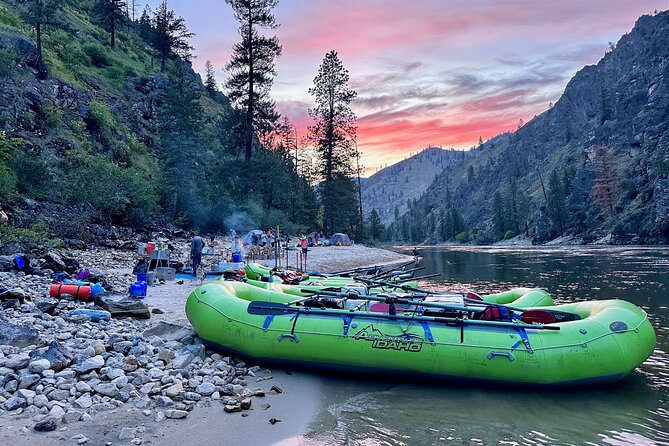
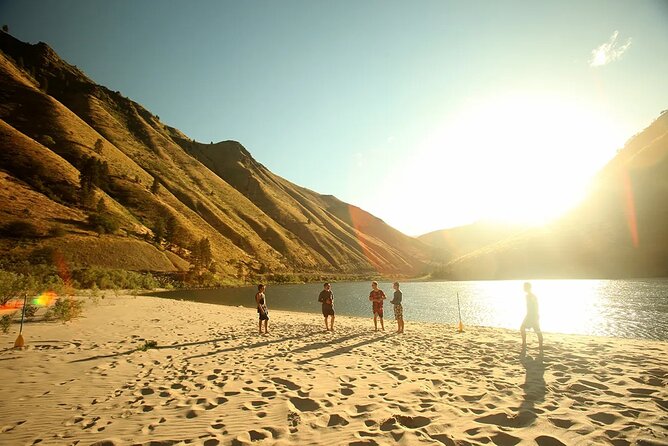
The Main Salmon is a good choice if you want a real wilderness trip without giving up comfort at camp. Your day is shaped by the river, not by a string of road stops. You raft through steep Idaho country, pull over for hikes and historic sites, then settle into a riverside camp where dinner and evening activities become part of the adventure.
I like the five-day length because it gives the trip room to breathe. A shorter outing can feel like a quick introduction to rafting. Five days lets you get used to the rhythm: wake up near the water, pack and load, run rapids, stop to walk or explore, eat well, and sleep under the open sky.
The group limit of 25 matters here. That is not a private expedition, but it is small enough for the guides to learn names and notice who wants more whitewater, who prefers a hike, and who needs a quieter stretch. The guiding team connected with the trip includes Scott, Laura or Lora, Jack, Jenna, and Eric in different combinations. Their roles appear to go well beyond boat handling.
You should expect long days. The itinerary lists roughly 8 to 12 hours for the first four days, though that total includes time on the river, stops, meals, and side trips. This is not five days of sitting in a raft while scenery slides past. You will be active, exposed to the weather, and part of the work of camp life.
More Five-Day Trips in the USA:
- 5 Days & 4 Nights Whitewater Rafting Victoria Falls
★ 5.0 · 18 reviews - Zambezi River Whitewater Rafting 5 Days 4 Nights(Multi day Trip)
★ 5.0 · 6 reviews
Day 1: Entering the Frank Church Wilderness
The trip begins at 9:00 a.m. at Corn Creek River Access Site on Salmon River Road near Shoup, Idaho. From there, you head into the Frank Church River of No Return Wilderness, a setting that quickly makes ordinary road-trip concerns feel far away.
The first day lasts about eight hours. That gives you time to settle into the boat, learn how the group moves, and get your first taste of the river. The emphasis is less on checking off a landmark and more on crossing the threshold into a large, roadless part of Idaho.
This first day may be the biggest adjustment. You are leaving behind easy access to shops, roads, and last-minute supplies. Pack carefully, listen closely to the guides, and treat the first few hours as a chance to learn the trip’s rhythm.
The wilderness setting is the real attraction. You are not simply rafting near a scenic road. You are moving through a place where the river is the main route, and that changes how you experience distance and time. At night, the lack of city light may give you clear views of the stars, one of the small rewards of being so far from daily life.
Day 2: Rapids, the Scenic Byway, and a Hot Spring Hike
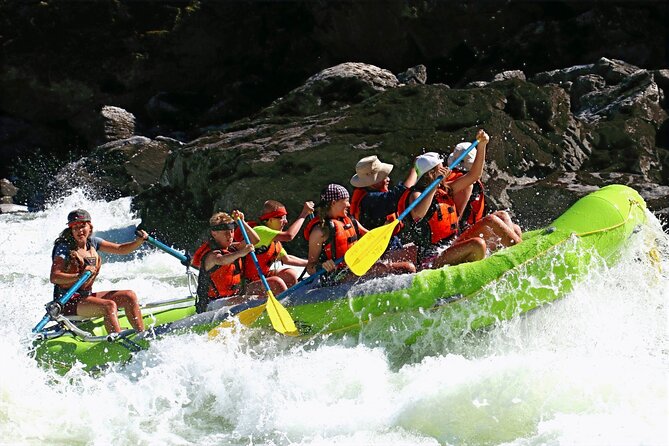
Day two runs about 12 hours and brings more of the trip’s active side. You will experience thrilling rapids, then hike to a hot spring with a view.
That pairing is one of the strongest features of the route. The rapids supply the adrenaline, while the hot spring gives you a reason to leave the boat and stretch your legs. The hike also breaks up the day, which matters when you are spending many hours around moving water.
The itinerary places this day along the Salmon River Scenic Byway, but the river experience remains the focus. You may see the road as a point of reference, yet the broader trip still takes place in a wilderness setting. The contrast helps you understand just how remote the river corridor can feel.
A 12-hour day is substantial. Even if the time includes pauses, you should not plan on feeling fresh and energetic every evening. This is a good day to pace yourself, drink regularly, and use the stops wisely. The hot spring hike is a memorable addition, but it is still a hike, and you should be ready for uneven ground and heat.
Day 3: Museum Stories and More Serious Whitewater
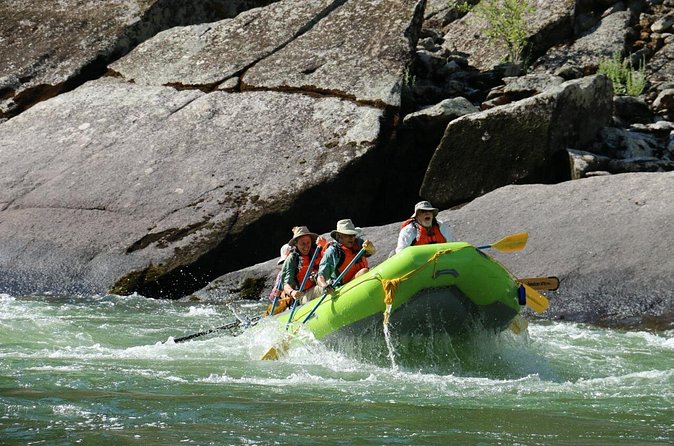
Day three returns to the Frank Church River of No Return Wilderness and again lasts about 12 hours. The mix here is especially appealing: a mountain man museum followed by more rapids.
The museum stop adds a human layer to a trip that might otherwise be all scenery and physical activity. You get a look at the people and stories connected with the region, then return to the river with more context for the country around you. History feels more useful when it is tied to the same canyon, waterway, and routes you are seeing firsthand.
The rapids are a central part of the Main Salmon experience, and this day gives them plenty of attention. The exact feel of the water can change with conditions, but the trip is clearly designed for people who want genuine whitewater rather than a gentle float.
If you are bringing children or traveling with a mixed-age family, the group’s ability to offer different ways to enjoy the river is useful. One family with children aged 9 and 12 through adults over 60 found the combination of rafting, hiking, duckie rides, history, and camp activities worked across generations. That does not remove the physical demands, but it suggests the trip can suit a varied group when everyone accepts the active format.
More Rafting Tours in the USA:
- Half Day Whitewater Rafting Trip
★ 5.0 · 1,840 reviews - Upper Pigeon River Rafting Trip from Hartford
★ 5.0 · 1,444 reviews - Half-Day Whitewater Rafting in Browns Canyon
★ 5.0 · 999 reviews - Whitewater Rafting in Jackson Hole : Family Standard Raft
★ 5.0 · 965 reviews
Day 4: Mountain Peaks, Streams, and Historic Places
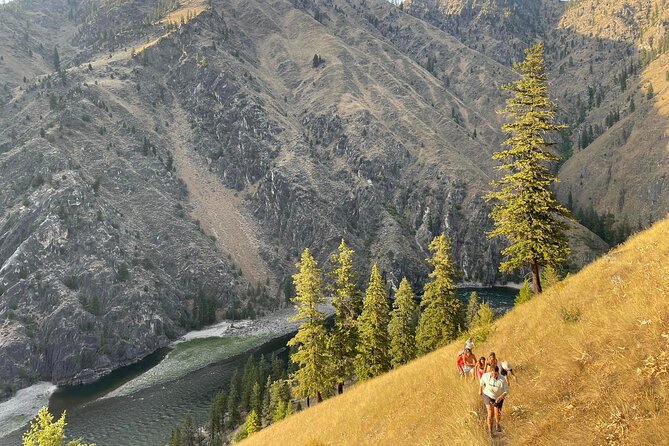
Day four is another long day, listed at about 12 hours. You will float past towering peaks and beautiful mountain streams, with stops at historic sites along the way.
This is where the trip’s slower pleasures may become more important than the rapids. After several days of loading, rafting, hiking, and camp work, a stretch of water framed by peaks can feel like the main event. I like that the route does not treat quiet river miles as filler. They give you time to watch the country change and talk with the guides.
The mountain streams add variety to the river scenery. Historic stops also keep the day from becoming a simple sightseeing float. Eric is particularly noted for adding history and nature-focused reflections to the trip, which can help you notice more than just the next rapid or campsite.
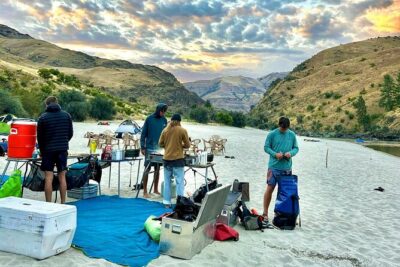
By this point, camp life is likely to feel familiar. The guides may prepare dinner, lead games or songs, and create simple activities around the camp. Fresh mint added to lemonade, campfire games, and a raft slippery slide are the sort of details that turn a standard river trip into a shared group experience.
Day 5: A Sandy Morning Near Riggins
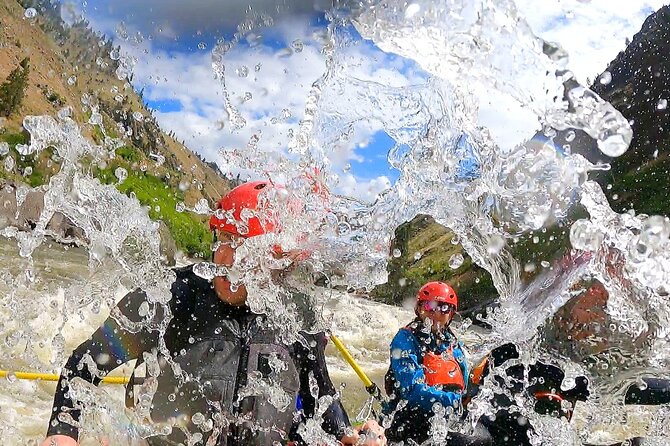
The last morning begins on a sandy beach before the journey back toward civilization. The listed activity time is about two hours, making this a shorter and gentler final segment than the middle days.
That brief ending is useful. You can wake up beside the river, enjoy the final camp setting, and leave without another exhausting full-day schedule. The finish is at Carey Creek Boat Ramp near Riggins, Idaho.
The ending also creates the trip’s biggest practical challenge. Corn Creek and Carey Creek are not close by road. The operator warns that driving between them can take about 10 hours one way around the wilderness. I would arrange a vehicle shuttle before arrival, using Frank Church River Shuttles or asking the operator whether a jet boat shuttle can be arranged for your group.
Do not treat this as a minor detail. A great rafting trip can become stressful if your car is left at the wrong end of a remote route. Confirm the pickup plan, the final access point, and how your group will get back to its vehicles before the river departure.
The Guides Make the Camp Feel Like More Than a Base
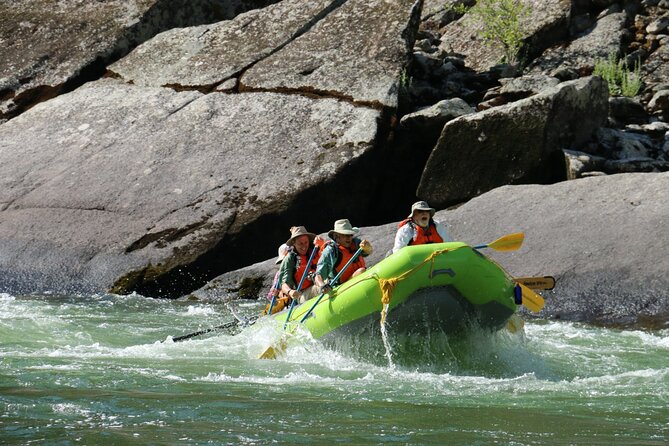
The strongest part of this experience may be the guiding team. Names connected with the trip include Scott, Jack, Jenna, Lora or Laura, and Eric. You should confirm the exact team for your departure, but the guide role is clearly broad.
The guides row and navigate the boats, manage rapids, set up camp, prepare meals, clean up, and pack everything again. They also lead hikes, organize games, and pay attention to the mood of the group. That last point is important on a five-day trip. A good guide can tell when a group wants more activity and when it needs a quieter evening.
Camp activities include songs, games, swimming challenges, and a raft slippery slide. These may sound like small extras, but they help a group of strangers become a temporary community. If you prefer to keep to yourself, you can likely enjoy the river without joining every activity. If you like shared evenings, there is plenty to join.
A personal packraft was accommodated for one participant, and duckie riding is also part of the experience described. Ask about current rules and availability before assuming you can bring your own craft. The important point is that the trip may offer more than one way to experience the water.
Meals Are a Real Part of the Value
At $2,600 per person, this is a major purchase. The price makes more sense when you consider that meals are included and the guides handle the difficult work of moving boats, gear, food, and camp supplies through a remote river corridor.
The food is not described as basic freeze-dried camping fare. Meals can include salmon, ribeye steak, fajitas, watermelon, pineapple upside-down cake, peach cobbler, and cinnamon hot cocoa in the morning. Fresh mint lemonade also made an appearance. Those details matter because food becomes one of the main comforts on a long active trip.
The value is not only in the menu. Three meals a day mean you do not need to plan and carry your own food for five days. The guides also prepare, serve, and clean up, freeing you to enjoy the river and camp.
There are limits. Coffee may be less satisfying if you care about a strong morning cup, so bringing high-quality instant coffee is a sensible personal upgrade. Also, included meals do not mean every personal snack or special dietary need is covered. Ask about dietary accommodations before booking if that matters to you.
What to Pack for Heat, Nights, and Long Days
July can be hotter than expected. One useful lesson is not to pack only for chilly mountain nights. You need to think about sun, warm days, wet conditions, and cooler evenings rather than assuming the entire trip will feel cold.
Pack light, but do not underprepare. The supplied information does not provide a complete equipment list, so you should request the operator’s current packing guidance. At a minimum, plan around the moderate fitness requirement, long days, hikes, rapids, and basic wilderness camp conditions.
Your personal priorities matter too. If coffee is important, bring your preferred instant coffee. If you want to paddle your own packraft, ask in advance rather than assuming it is automatically accepted. The same advice applies to any special food, medication, or equipment.
Who Should Book This Idaho River Trip?
I would recommend this experience to you if you want a real wilderness vacation with a strong social side. It suits families, groups of friends, and active adults who like alternating between rapids, hikes, history, meals, and camp games.
It can also work for a multigenerational group. The combination of quiet floats, historic sites, hikes, and optional water activities gives people more than one way to enjoy the trip. Still, every participant needs to accept the physical demands and the long schedule.
I would hesitate if you need private facilities, predictable weather, short activity days, or easy road access. You should also think twice if you dislike group activities or do not want to spend five days in a remote setting. The wilderness is the point, but it also limits convenience.
The language offered is English. The group maximum is 25 people, which helps keep the trip from becoming too large, but it is not the same as a private departure. Ask about the expected group size and guide lineup if those details will affect your decision.
Is the $2,600 Price Fair?
For five days, $2,600 works out to about $520 per day. That is not cheap, but it includes meals and a professionally guided wilderness operation. You are paying for boats, navigation, food, guides, camp work, access to a remote river corridor, and the logistics of moving a group through difficult country.
The value is strongest if you would otherwise need to organize meals, equipment, shuttle transport, and river expertise yourself. It is also strong for a family or group that wants one shared experience rather than separate activities each day.
The price feels less attractive if you mainly want a short scenic float or do not care about the wilderness setting. In that case, a day trip would likely be a better fit. This five-day option earns its cost through time, remoteness, guide support, and the full camp experience.
Cancellation and Weather Details
You can cancel for a full refund up to 24 hours before the local start time. Changes made less than 24 hours before departure are not accepted, and cancellations inside that window are not refunded.
The trip requires good weather and a minimum number of participants. If poor weather or insufficient enrollment cancels the departure, you will be offered another date or experience, or a full refund.
Should You Book the Main Salmon Trip?
Book it if you want your vacation to revolve around a river for five days, not if you simply want to see Idaho from a comfortable base. The combination of serious rapids, wilderness scenery, hot spring hiking, historic places, creative meals, and lively guides gives the trip real range.
I would make three checks before paying: confirm the current guide team, ask for the full packing and food information, and arrange the car shuttle between Corn Creek and Carey Creek. If you are ready for long days and basic wilderness living, this is a strong choice for an active family or friend group. If you want quiet luxury or easy logistics, choose something shorter and less remote.
FAQ
Where does the rafting trip begin?
The trip begins at Corn Creek River Access Site on Salmon River Road near Shoup, Idaho.
Where does the trip end?
The trip ends at Carey Creek Boat Ramp near Riggins, Idaho.
What time does the trip start?
The scheduled start time is 9:00 a.m.
How long is the Main Salmon rafting trip?
The experience lasts approximately five days.
How many people can join the trip?
The maximum group size is 25 participants.
What level of fitness do I need?
You should have a moderate level of physical fitness. The trip includes rafting, long days, and hikes.
Are meals included?
Yes. Meals are included, and the guides prepare three meals each day.
Is transportation between the start and end points included?
The supplied details recommend arranging a vehicle drop at Carey Creek Boat Ramp through Frank Church River Shuttles. Ask the operator about shuttle options, including a possible jet boat shuttle.
What happens if the weather is poor?
The experience requires good weather. If it is canceled because of poor weather, you will be offered a different date or a full refund.
Just added around the USA
- Wilderness: Denali National Park Class I-III Rafting Tour★ 4.5 · 25 reviews
- Westwater Canyon: Colorado River Class 3-4 Rafting from Moab★ 4.8 · 22 reviews
- Valdez: Keystone Canyon Whitewater Rafting Trip★ 4.8 · 6 reviews
- New River Gorge Whitewater Rafting, WV – Lower New Full Day★ 5.0 · 18 reviews
- Half Day New River Gorge Whitewater Rafting★ 5.0 · 22 reviews
- Lower Gauley Fall Rafting Special in WV★ 5.0 · 32 reviews
- Fall Upper Gauley Full Day Whitewater Rafting★ 5.0 · 2 reviews
- Full Day Fall Lower Gauley Rafting in West Virginia★ 5.0 · 2 reviews
Idaho Rafting Tours, compared.
Boise River Guided Rafting, Swimming and Wildlife Tour
Read our review →
Full-Day Whitewater Rafting Tour on the Salmon River
Read our review →

4 Days of Lower Salmon Canyons Rafting Experience
Read our review →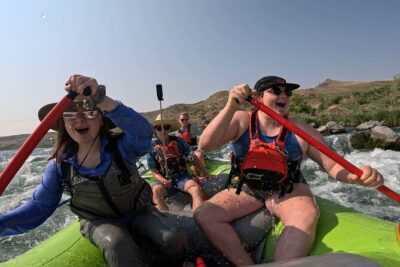
Rafting Experience in Hagerman on the Snake River
Read our review →Other lists this trip is on